Category: Chandelier

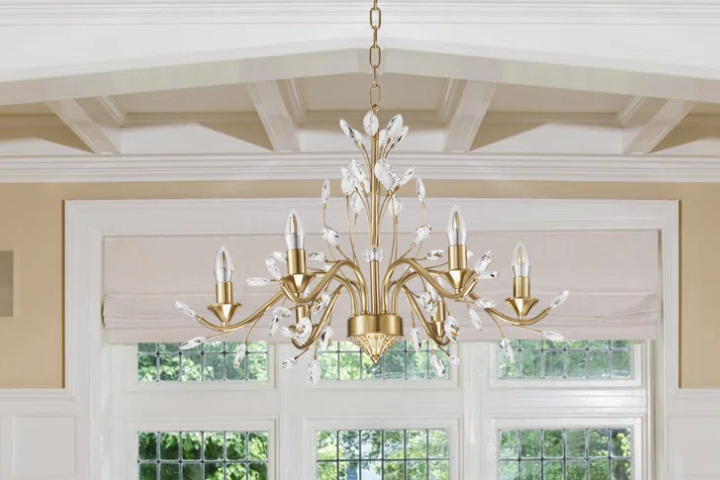
  • Opulent Champagne Gold Chandelier Elevates Luxury Dining Room

    Opulent Champagne Gold Chandelier Elevates Luxury Dining Room

    Thinking of a major upgrade for your dining room? You’ve probably scrolled through a million pictures of stylish spaces, and chances are, a stunning chandelier caught your eye. If you’re aiming for that sophisticated, welcoming vibe that screams “luxury dining,” a chandelier in champagne gold is seriously worth considering. It’s not just about shiny things; it’s about creating an atmosphere that makes every meal feel special. This article will dive into why a champagne gold chandelier works wonders for a luxury dining room, covering everything from its aesthetic appeal to practical considerations.

    The Allure of Champagne Gold

    Champagne gold isn’t your everyday bright, brassy gold. It has a softer, more muted quality, reminiscent of the actual beverage. This subtle warmth and refined sheen are precisely what make it so effective in a luxury setting.

    A Sophisticated Hue

    • Warm Undertones: Unlike cooler metallics, champagne gold brings a gentle warmth to a space. This feeling of coziness is crucial in a dining room, encouraging conversation and lingering at the table.
    • Understated Elegance: It’s not gaudy. The muted tones of champagne gold suggest a quiet confidence and a discerning taste, avoiding the ostentatious for a more refined statement.
    • Versatile Pairing: This color plays well with a wide range of other colors and materials. Think deep blues, emerald greens, rich burgundies, or even classic neutrals like cream, grey, and charcoal. It also complements wood tones, marble, and various fabric textures beautifully.

    Beyond Traditional Gold

    • A Modern Twist: While gold has a classic association with luxury, champagne gold offers a contemporary update. It feels fresh and relevant for today’s design sensibilities, bridging the gap between old-world charm and modern design.
    • Less Intimidating: For some, traditional polished gold can feel a bit too strong or overpowering. Champagne gold offers a more approachable yet equally luxurious alternative, making a statement without shouting.

    Creating a Focal Point

    Perhaps the most significant role a chandelier Enconco plays is as the room’s undisputed centerpiece. A champagne gold chandelier is particularly adept at this.

    Drawing the Eye

    • Natural Centerpiece: When a dining table is the functional heart of the room, the chandelier above it becomes the visual anchor. A well-chosen chandelier naturally draws your gaze upwards.
    • Illuminating the Gathering: It’s not just about light; it’s about how that light shapes the space. A chandelier casts a welcoming glow, highlighting the dining area and any decorative elements around it.
    • Sculptural Quality: Many champagne gold chandeliers are designed with artistic flair, featuring intricate details, cascading elements, or bold geometric shapes. This makes them as much a piece of art as a lighting fixture.

    Enhancing the Dining Experience

    • Setting the Mood: The lighting from a chandelier can dramatically alter the atmosphere. Dimmed appropriately, it creates an intimate setting perfect for romantic dinners or important conversations.
    • Making Meals Memorable: Dining is often a sensory experience. The visual appeal of a beautiful chandelier overhead contributes to the overall feeling of occasion, elevating everyday meals into something more special.
    • Reflecting Light: The metallic finish of champagne gold is excellent at reflecting light, helping to make the space feel brighter and more expansive, even when the lights are dimmed.

    Design Styles of Champagne Gold Chandeliers

    The beauty of champagne gold is that it’s incorporated into a vast array of chandelier designs, fitting virtually any aesthetic.

    Classic & Traditional

    • Crystal Embellishments: Many opulent chandeliers feature champagne gold frames adorned with clear or champagne-tinted crystals. These refract light beautifully, creating a dazzling display.
    • Curving Arms: Traditional styles often boast elegantly curved arms, perhaps with faux candle sleeves or subtle detailing, evoking a timeless, aristocratic feel.
    • Tiered Designs: Multi-tiered chandeliers offer grandeur and can be perfect for rooms with higher ceilings, ensuring they make a significant impact without looking lost.

    Modern & Contemporary

    • Geometric Forms: Clean lines, minimalist silhouettes, and geometric shapes are common in modern champagne gold chandeliers. Think Sputnik-style fixtures with radiating arms or linear designs.
    • Integrated LEDs: Many contemporary designs opt for integrated LED lighting, offering a sleek, bulb-free look and energy efficiency. The champagne gold finish adds a touch of warmth to these modern forms.
    • Open Frameworks: Some modern designs feature more open, airy structures, allowing light to flow freely and creating a less imposing presence while still delivering on style.

    Transitional Elegance

    • Blending Styles: Transitional designs are fantastic for their versatility. They might feature classic elements like crystal drops but with a more streamlined frame, or modern shapes softened by a warm champagne gold finish.
    • Slightly More Relaxed: These chandeliers can offer a touch of luxury without feeling overly formal, making them ideal for dining rooms that are used for both everyday meals and special occasions.

    Practical Considerations for Your Champagne Gold Chandelier

    Beyond the pure aesthetics, thinking about how the chandelier will fit into your space practically is key.

    Size and Scale

    • Proportion is Key: The most common mistake is choosing a chandelier that’s too small or too large for the dining table and room.
    • Diameter Rule: A good rule of thumb for the chandelier diameter (in inches) is to add the length and width of your dining room in feet. For example, a 10ft x 12ft room (22ft combined) would suggest a chandelier around 22 inches in diameter.
    • Tabletop Proportion: The chandelier should ideally be about half to two-thirds the width of your dining table.
    • Ceiling Height Matters: Taller ceilings can accommodate larger or more dramatic chandeliers. Lower ceilings might benefit from a more streamlined or flush-mount style.
    • Hanging Height: The bottom of the chandelier should typically hang about 30-36 inches above the dining table surface. However, this can be adjusted based on ceiling height and the chandelier’s overall scale.

    Installation and Maintenance

    • Professional Installation Recommended: Chandeliers, especially larger or heavier ones, require proper electrical work and structural support. Hiring a qualified electrician is crucial for safety and correct installation.
    • Cleaning the Shine: Keeping that champagne gold finish looking its best is usually straightforward.
    • Dust Regularly: A soft, dry cloth is often sufficient for routine dusting.
    • Gentle Cleaning Solutions: For tougher grime, a slightly damp cloth with a very mild soap solution (like dish soap diluted in water) can be used, followed by a thorough drying with a soft cloth. Avoid abrasive cleaners or harsh chemicals, as they can damage the finish.
    • Crystal Care: If your chandelier has crystal elements, these might require a specific glass cleaner for a streak-free shine.

    Lighting Needs

    • Dimmable Fixtures: For maximum versatility, ensure your chandelier is compatible with a dimmer switch. This allows you to control the ambiance, from bright and functional for everyday meals to soft and romantic for evenings.
    • Light Bulb Choice: Consider the type of bulbs needed. LED bulbs are energy-efficient and come in various color temperatures (warm white is usually best for a dining room). The number of bulbs will also affect the overall brightness.
    • Downlighting vs. Uplighting: Some chandeliers primarily cast light downwards onto the table, while others also have uplighting elements that illuminate the ceiling, creating a softer, more diffused light.

    Integrating the Chandelier into Your Decor

    A champagne gold chandelier won’t exist in a vacuum; it needs to seamlessly blend with your existing or planned decor.

    Complementary Colors and Materials

    • Rich Tones: Pair your champagne gold chandelier with rich, deep colors in your walls, upholstery, or accessories. Think navy blue, deep emerald, or a warm charcoal grey.
    • Natural Elements: Wood tables, woven placemats, or even live plants can create a beautiful contrast and grounding effect against the chandelier’s metallic gleam.
    • Marble and Stone: Luxurious materials like marble tabletops or stone accents in your flooring or fireplace can echo the sophistication of the chandelier.
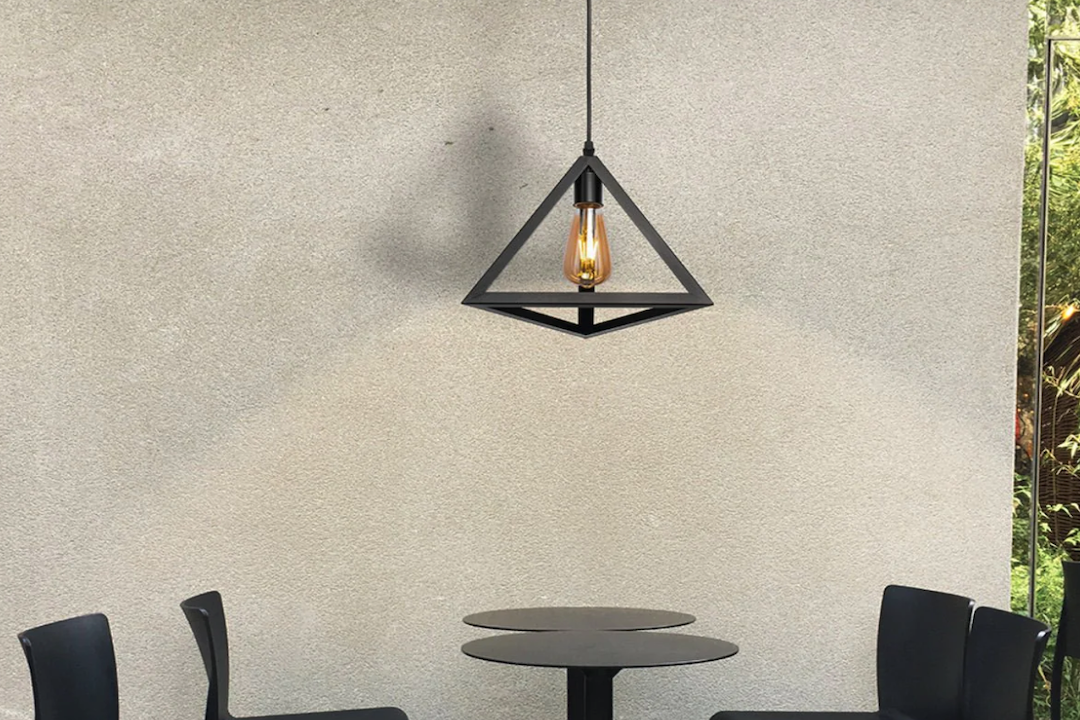
  • Modern Elegance: Black Geometric Cage Pendant Light

    Modern Elegance: Black Geometric Cage Pendant Light

    Modern elegance, in the context of interior design, often references a style that integrates contemporary aesthetics with a timeless sense of sophistication. This article will examine a specific manifestation of this design philosophy: the black geometric cage pendant light. We will explore its characteristics, historical influences, and functional applications, providing a comprehensive overview for those interested in its incorporation into various spaces.

    The black geometric cage pendant light Simiglighting embodies a design philosophy characterized by clean lines, defined forms, and a deliberate absence of superfluous ornamentation. Its aesthetic draws upon principles of minimalism and modernism, emphasizing function and structural clarity.

    Geometric Forms

    The fundamental characteristic of this lighting fixture is its geometric construction. These forms can range from simple cubes and pyramids to more complex polyhedra and tessellations.

    • Cubic and Rectangular Shapes: The most common geometric expressions, these forms offer a straightforward and robust visual presence. They integrate well into spaces demanding structural integrity and visual anchor points.
    • Polygonal Forms: Hexagons, octagons, and other multi-sided shapes introduce a degree of complexity and visual interest while maintaining a disciplined aesthetic. These forms can evoke a sense of architectural precision.
    • Abstract Geometries: Some designs push beyond conventional polygons, utilizing intersecting planes and open frameworks to create more dynamic and sculptural effects. These installations often become central focal points.

    Color Palette

    The consistent use of black is integral to the fixture’s identity. Black, in design, is not merely a color but a statement.

    • Visual Weight and Contrast: Black provides significant visual weight, grounding the fixture within a space. It creates strong contrast against lighter ceilings and walls, making the fixture a distinct element.
    • Sophistication and Formality: Historically, black has been associated with elegance and formality. In this context, it lends the pendant light a refined and understated luxurious quality.
    • Versatility: Despite its strong presence, black is a remarkably versatile color. It complements a broad spectrum of interior palettes, from monochrome to vibrant, acting as a sophisticated neutral.

    Materiality

    While primarily characterized by its form and color, the materials used in the construction of these pendant lights contribute significantly to their robustness and aesthetic appeal.

    • Metal Construction: The cage framework is almost universally constructed from metal, typically steel or aluminum. This choice of material offers durability and allows for the creation of precise, slender lines.
    • Finishes: The black finish is usually applied through powder coating, providing a durable, uniform, and often matte or semi-gloss appearance. A matte finish tends to absorb light, enhancing the structural definition, while a semi-gloss finish can introduce a subtle reflective quality.
    • Internal Components: The internal components, such as the lamp holder and wiring, are generally concealed or designed to be minimally intrusive, maintaining the clean exterior aesthetic.

    Historical Influences and Evolution

    The aesthetic of the black geometric cage pendant light is not an isolated phenomenon but rather a culmination of various historical design movements and architectural philosophies. Understanding these influences provides context for its contemporary relevance.

    Arts and Crafts Movement

    Although the Arts and Crafts movement emphasized handcrafted items and natural materials, its rejection of industrial excess and its focus on structural honesty laid groundwork. While not directly geometric in the modernist sense, its emphasis on form following function and visible construction can be seen as a conceptual precursor.

    Bauhaus Movement

    The Bauhaus school, founded in Germany in the early 20th century, profoundly influenced modern design. Its principles of functionality, simplicity, and the integration of art and technology are directly reflected in geometric lighting.

    • Industrial Aesthetics: Bauhaus designers embraced industrial fabrication and materials, moving away from ornate decoration. This is evident in the unadorned metal frameworks.
    • Geometric Abstraction: The Bauhaus heavily utilized geometric forms in its architecture, furniture, and lighting designs. The geometric cage, with its rational structure, echoes this adherence to abstract principles.
    • Form Follows Function: This core Bauhaus tenet dictates that the shape of an object should primarily be determined by its intended function. The open cage structure, while aesthetic, also serves to protect the light source and direct illumination without obstructing it entirely.

    Mid-Century Modernism

    The mid-20th century saw a refinement of modernist principles, often characterized by clean lines, organic forms (though less so in this specific fixture), and a focus on practicality. Lighting during this period often explored new materials and production techniques to create distinctive, yet functional, pieces. The geometric cage light can be seen as a continuation of this rational approach to design.

    Contemporary Design Trends

    In recent decades, there has been a resurgence of interest in minimalist and industrial design aesthetics. The black geometric cage pendant light fits neatly within these trends, offering a sophisticated interpretation of industrial form.

    • Industrial Chic: The raw, exposed metal framework and black finish align with the “industrial chic” trend, which celebrates the beauty in utilitarian objects and materials.
    • Architectural Lighting: Modern architecture often features clean lines and large, unadorned spaces. Geometric pendant lights complement these environments by providing structured visual interest without competing with the architectural elements.

    Functional Applications and Placement

    The black geometric cage pendant light is not merely a decorative item; its design directly influences its functional role in a space. Its placement is critical to maximizing both its aesthetic and utilitarian contributions.

    Ambient Lighting

    While not its primary function, an exposed bulb within a cage can contribute to the overall ambient lighting of a room. The open nature of the cage allows light to disperse relatively freely.

    • Bulb Choice: The choice of light bulb significantly impacts the ambient light quality. An LED filament bulb, with its exposed filaments, often enhances the aesthetic and diffuses light more broadly than a frosted bulb, which might create a softer, less defined halo.
    • Dimmer Compatibility: Integrating a dimmer switch allows for control over the intensity of ambient light, enabling adjustments for different moods or activities.

    Task Lighting

    In certain configurations, particularly when hung lower over a specific surface, these pendant lights can serve as effective task lighting.

    • Kitchen Islands: Above a kitchen island, a series of these pendants can provide direct illumination for food preparation, reading recipes, or casual dining. The open cage design prevents a harsh, confined beam of light.
    • Dining Tables: Over a dining table, they can create a focused pool of light, highlighting the meal and fostering a more intimate atmosphere. Consider the height to avoid glare for diners.
    • Workspaces: In a home office or creative studio, a well-placed geometric pendant can provide targeted illumination for detailed work, reducing eye strain.

    Accent Lighting

    Perhaps the most potent functional role of geometric cage pendants is as accent lighting. They draw attention to specific areas or features within a room, becoming sculptural elements themselves.

    • Entryways: In an entryway, a single, striking pendant can create an immediate first impression, acting as a visual announcement of the home’s design aesthetic.
    • Stairwells: Dangling strategically in a stairwell, these fixtures can illuminate the path while also creating a dramatic vertical element within the space.
    • Alcoves and Corners: Placing a geometric pendant in a less-used corner or an alcove can transform it into a focal point, drawing the eye and adding depth to the room.

    Spacial Considerations

    The size of the room and the height of the ceiling are critical determinants for successful integration of these fixtures.

    • Scale and Proportion: A general rule of thumb is to ensure the fixture’s size is proportionate to the room. A large pendant in a small room can overwhelm, while a small pendant in a large room may appear insignificant. Consider the visual volume it occupies, not just its dimensions.
    • Ceiling Height: High ceilings can accommodate larger, more dramatic pendants or multiple pendants hung at varying heights, creating a tiered effect. Lower ceilings require more compact designs to maintain adequate head clearance and prevent the room from feeling constricted.
    • Grouping and Repetition: Often, these pendants are more effective when used in multiples, especially over long surfaces like kitchen islands or dining tables. A series creates rhythm and visual continuity.

    Integration and Styling

    Integrating the black geometric cage pendant light into an existing or new interior requires careful consideration of the overarching design scheme. It functions as a versatile design element, capable of complementing various styles.

    Minimalist Interiors

    This fixture is a natural fit for minimalist spaces, which prioritize clarity, functionality, and an absence of clutter.

    • Clean Composition: The geometric forms and black finish intrinsically align with minimalist principles, contributing to an uncluttered and refined aesthetic.
    • Focal Point: In a minimalist setting, where ornamentation is scarce, the pendant light can become a significant architectural focal point without disrupting the clean visual flow.
    • Monochrome Palettes: It integrates seamlessly into monochrome or limited color palettes, enhancing the sophisticated and understated mood.

    Industrial Interiors

    Given its metal construction and often utilitarian aesthetic, the fixture thrives in industrial-inspired spaces.

    • Exposed Elements: It complements exposed brick walls, concrete finishes, and visible piping, echoing the raw and honest approach to materials.
    • Raw Sophistication: The black finish elevates the industrial aesthetic, moving it beyond mere utility to a realm of polished, yet rugged, sophistication.
    • Contrasting Textures: Its smooth, angular metal contrasts effectively with rougher textures like wood, brick, or concrete, creating visual interest.

    Modern Farmhouse

    While seemingly disparate, the black geometric cage pendant light can surprisingly adapt to a modern farmhouse aesthetic. This style often combines rustic warmth with contemporary clean lines.

    • Contrasting Elements: The crisp modern lines and black finish of the pendant provide a sharp, contemporary counterpoint to reclaimed wood, shiplap, and other rustic elements. This contrast adds depth and visual intrigue.
    • Visual Anchor: Above a large wooden dining table or kitchen island, it can serve as a modern anchor, preventing the space from becoming overly rustic.

    Eclectic and Transitional Spaces

    In eclectic or transitional designs, which blend various styles, this pendant light offers a unifying element.

    • Bridge Element: Its clean lines and classic black finish can bridge disparate elements, providing a consistent reference point.
    • Statement Piece: In an eclectic setting, it can hold its own against other varied pieces without clashing, offering a sophisticated statement.
    • Neutral Ground: Black functions as a neutral, allowing the pendant to integrate into a wide range of color schemes and material combinations.

    Maintenance and Longevity

    Like any well-designed fixture, proper care and attention contribute to the longevity and continued aesthetic appeal of the black geometric cage pendant light.

    Cleaning Procedures

    Regular, gentle cleaning is sufficient to maintain its appearance.

    • Dusting: Routine dusting with a soft, dry cloth or a duster prevents dust accumulation, which can dull the finish.
    • Wiping: For more stubborn marks, a slightly damp cloth can be used. Follow immediately with a dry cloth to prevent water spots, especially on matte finishes. Avoid abrasive cleaners or harsh chemicals, which can damage the finish.
    • Bulb Cleaning: Periodically wipe down light bulbs when cool to remove dust, which can impede light output.

    Material Durability

    The metal construction typically offers significant durability.

    • Powder Coating: The powder-coated finish is generally robust and resistant to chipping and fading if not subjected to harsh impact or chemicals.
    • Corrosion Resistance: Depending on the metal and finish, these fixtures are designed for indoor use and are not typically subjected to corrosive outdoor environments.

    Electrical Components

    Modern pendant lights are designed with safety and reliability in mind.

    • Professional Installation: While some enthusiasts may attempt self-installation, professional installation is recommended to ensure electrical safety and proper wiring.
    • Bulb Replacement: Adhere to the manufacturer’s recommended wattage and bulb type to prevent overheating or electrical issues. When replacing bulbs, ensure the power is off at the circuit breaker.
    • Regular Checks: Periodically inspect the wiring and connections for any signs of wear or damage, particularly in high-traffic commercial settings.

    The black geometric cage pendant light stands as a testament to the enduring appeal of intelligent design. Its blend of historical influences, functional versatility, and timeless aesthetic positions it as a significant element in contemporary interior design. It is not merely a source of illumination but a carefully considered architectural component, capable of enhancing the elegance and character of diverse spaces. When you choose to incorporate such a fixture, you are selecting an object that transcends fleeting trends, offering a sophisticated and enduring statement within your environment.

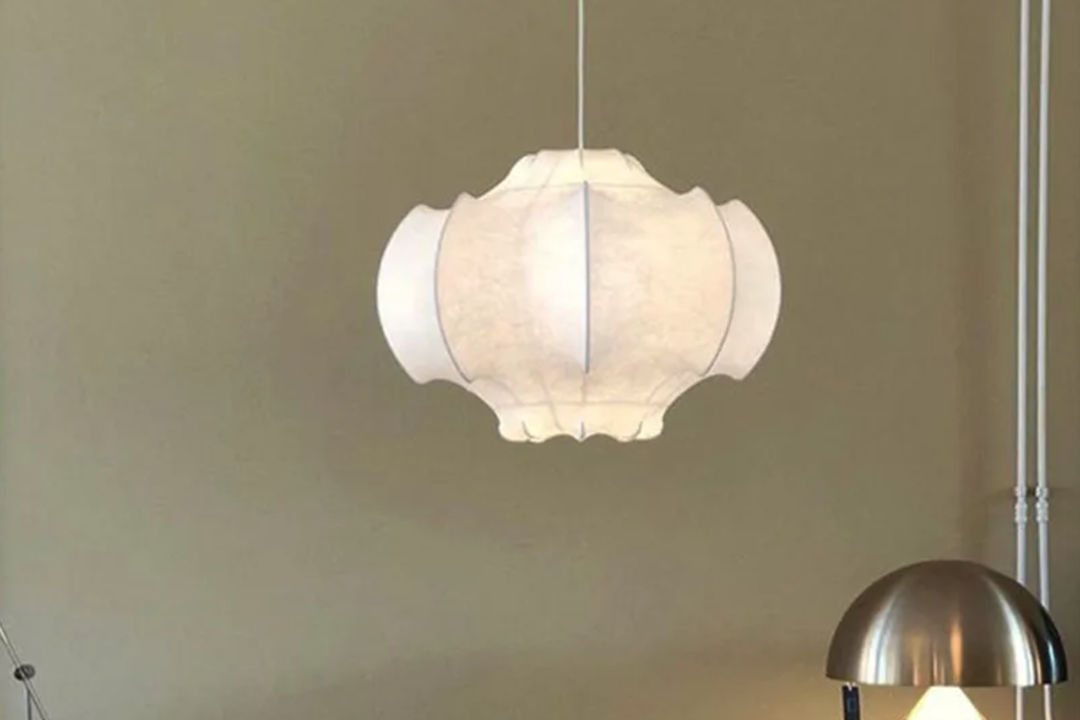
  • Silk Wabi-sabi Chandelier: Embracing Imperfect Elegance

    Silk Wabi-sabi Chandelier: Embracing Imperfect Elegance

    Wabi-sabi is a Japanese aesthetic that celebrates the beauty found in imperfection, transience, and the natural world. It is a philosophy that encourages individuals to appreciate the simple, the rustic, and the unrefined. This concept is deeply rooted in Zen Buddhism, which emphasizes mindfulness and the acceptance of life’s fleeting nature.

    Wabi-sabi invites us to find beauty in the mundane and to recognize that imperfections can evoke a sense of authenticity and character. The allure of wabi-sabi lies in its ability to transform our perception of beauty, shifting it from the polished and perfect to the raw and genuine. The beauty of wabi-sabi can be seen in various forms, from weathered pottery to aged wood and even in the natural landscape.

    Each crack, blemish, or irregularity tells a story, reflecting the passage of time and the experiences that have shaped an object or space. This aesthetic encourages a deeper connection with our surroundings, prompting us to slow down and appreciate the subtleties that often go unnoticed. In a world that often prioritizes perfection and uniformity, wabi-sabi serves as a gentle reminder that true beauty lies in the unique and the imperfect.

    The History of Silk Chandeliers

    Silk chandeliers Mssloan have a rich history that intertwines with the evolution of lighting design and luxury decor. Originating in Europe during the 17th century, chandeliers were initially crafted from metal and adorned with candles. However, as silk became more accessible due to advancements in trade and manufacturing, it began to play a significant role in chandelier design.

    The use of silk not only added an element of opulence but also allowed for intricate designs that showcased artisanship and creativity. During the Baroque period, silk chandeliers reached new heights of grandeur. They were often embellished with crystals, glass beads, and elaborate silk shades, creating a dazzling effect when illuminated.

    These chandeliers were not merely functional; they were statements of wealth and status, often found in palaces and grand estates. The craftsmanship involved in creating silk chandeliers was meticulous, with artisans dedicating countless hours to ensure each piece was a work of art. As time progressed, silk chandeliers continued to evolve, adapting to various design movements while maintaining their luxurious appeal.

    Embracing Imperfect Elegance: The Philosophy of Wabi-sabi

    The philosophy of wabi-sabi extends beyond mere aesthetics; it encompasses a way of life that embraces impermanence and imperfection. This mindset encourages individuals to find joy in simplicity and to appreciate the beauty that arises from natural processes. In a society that often glorifies perfectionism, wabi-sabi offers a refreshing perspective that values authenticity over superficiality.

    It invites us to let go of unrealistic standards and to embrace our flaws as integral parts of our identity. In practical terms, wabi-sabi can manifest in various aspects of life, from personal relationships to home decor. It encourages us to cherish moments rather than obsess over material possessions.

    For instance, a well-loved piece of furniture with scratches and dents may hold more sentimental value than a brand-new item that lacks character. By adopting this philosophy, we can cultivate a sense of gratitude for what we have, fostering deeper connections with both people and objects around us.

    How to Incorporate Wabi-sabi Design in Your Home

    Incorporating wabi-sabi design into your home involves embracing natural materials, organic shapes, and a sense of tranquility. Start by selecting furnishings made from wood, stone, or clay—materials that age gracefully and develop character over time. For instance, a reclaimed wood table with visible knots and imperfections can serve as a stunning centerpiece while embodying the essence of wabi-sabi.

    Additionally, consider incorporating handmade ceramics or textiles that showcase irregularities, as these items often carry a unique charm. Color palettes play a crucial role in wabi-sabi design as well. Opt for muted tones inspired by nature—soft greens, earthy browns, and gentle grays can create a calming atmosphere that reflects the philosophy’s emphasis on simplicity.

    Layering textures is another effective way to achieve this aesthetic; combine rough fabrics with smooth surfaces to create visual interest while maintaining an overall sense of harmony. Finally, allow for negative space in your design; an uncluttered environment fosters mindfulness and encourages appreciation for each individual piece within the space.

    The Versatility of Silk Chandeliers

    Silk chandeliers are remarkably versatile fixtures that can enhance various interior styles while adding an element of sophistication. Their adaptability allows them to seamlessly transition between traditional and contemporary settings. In classic interiors, silk chandeliers can evoke a sense of grandeur reminiscent of opulent ballrooms or historic estates.

    The soft glow emitted through silk shades creates an inviting ambiance that complements ornate furnishings and rich textiles. Conversely, in modern spaces, silk chandeliers can serve as striking focal points that juxtapose sleek lines with organic materials. Designers often experiment with unconventional shapes and arrangements, allowing silk chandeliers to become statement pieces that draw attention without overwhelming the overall aesthetic.

    The interplay between light and fabric creates an ethereal quality that enhances the atmosphere of any room. Whether suspended above a dining table or gracing a foyer, silk chandeliers possess an inherent elegance that elevates the design narrative.

    The Art of Making a Silk Wabi-sabi Chandelier

    Creating a silk wabi-sabi chandelier is an intricate process that marries craftsmanship with artistic expression. The journey begins with selecting high-quality silk fabric that embodies the desired texture and color palette. Artisans often choose natural dyes to achieve hues that resonate with the principles of wabi-sabi—subtle variations in color reflect the beauty of imperfection.

    Once the fabric is chosen, it is meticulously cut and shaped into shades that will diffuse light softly throughout the space. The structure of the chandelier itself is equally important; it should be designed to highlight the organic qualities of silk while allowing for flexibility in form. Using reclaimed wood or wrought iron can enhance the rustic charm associated with wabi-sabi aesthetics.

    Assembling the chandelier involves careful attention to detail; each component must be thoughtfully placed to create balance and harmony within the design. The final result is not just a lighting fixture but a work of art that embodies the essence of imperfection while illuminating its surroundings.

    Finding the Perfect Balance: Imperfect Elegance in Interior Design

    Achieving imperfect elegance in interior design requires a delicate balance between curated elements and organic spontaneity. It involves selecting pieces that resonate with personal style while allowing for room to breathe within the space. One effective approach is to mix vintage finds with contemporary items; this juxtaposition creates visual interest while celebrating the history embedded in each piece.

    For example, pairing an antique side table with modern art can evoke a sense of timelessness while showcasing individuality. In addition to furniture selection, consider incorporating natural elements such as plants or stone accents into your design scheme. These organic components not only enhance the aesthetic but also contribute to a sense of tranquility within the space.

    The key is to avoid overcrowding; allowing for negative space fosters an environment where each item can shine without competition. By embracing this philosophy, you create a home that reflects your personality while honoring the beauty found in imperfection.

    The Timeless Appeal of Wabi-sabi in Modern Design

    The timeless appeal of wabi-sabi continues to resonate within modern design circles as individuals seek authenticity amidst an increasingly fast-paced world. This aesthetic transcends trends; its principles encourage mindfulness and appreciation for life’s fleeting moments. As contemporary designers explore sustainable practices and eco-friendly materials, wabi-sabi’s emphasis on natural beauty aligns seamlessly with these values.

    The movement towards minimalism also complements wabi-sabi’s focus on simplicity and intentionality. Incorporating wabi-sabi into modern design does not mean abandoning contemporary aesthetics; rather, it invites a harmonious blend of old and new. Designers are increasingly drawn to creating spaces that tell stories—where each piece has significance beyond its surface appearance.

    This approach fosters deeper connections between individuals and their environments, encouraging them to engage with their surroundings on a more profound level. As we navigate an ever-changing world, wabi-sabi remains a guiding philosophy that celebrates life’s imperfections while inspiring us to find beauty in every moment.

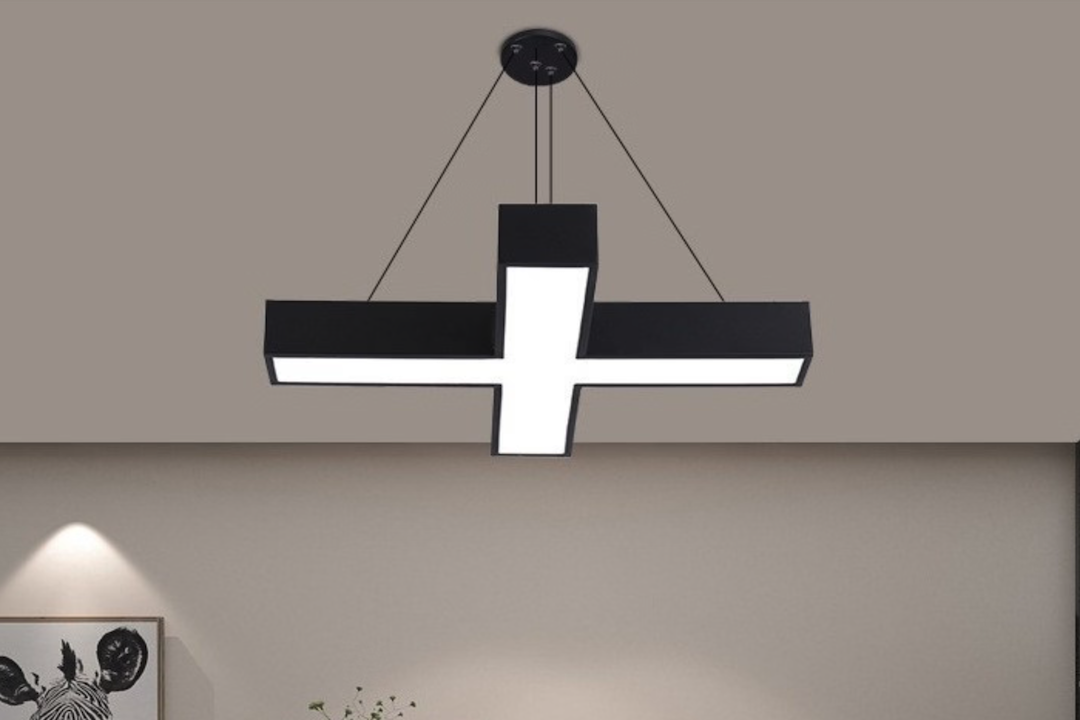
  • Modern LED Pendant Light: Stylish Cross Design

    Modern LED Pendant Light: Stylish Cross Design

    In recent years, the evolution of lighting technology has led to the emergence of modern LED pendant lights, which have become a staple in contemporary interior design. These fixtures not only serve a functional purpose but also act as striking design elements that can transform the ambiance of any space. The versatility of LED pendant lights allows them to fit seamlessly into various styles, from minimalist to industrial, making them a popular choice among homeowners and designers alike.

    With their sleek profiles and innovative designs, modern LED pendant lights Zomier are redefining how we think about illumination in our living and working environments. The shift towards LED technology has been driven by a growing awareness of energy efficiency and sustainability. Unlike traditional incandescent bulbs, which consume a significant amount of energy and have a shorter lifespan, LED lights offer a more eco-friendly alternative.

    This transition is not merely about reducing energy consumption; it also encompasses the aesthetic appeal and functional benefits that modern LED pendant lights bring to the table. As we delve deeper into the characteristics and advantages of these fixtures, it becomes clear that they are more than just sources of light; they are integral components of modern interior design.

    The Stylish Cross Design: A Contemporary Aesthetic

    One of the most captivating features of modern LED pendant lights is their stylish cross design, which embodies a contemporary aesthetic that appeals to a wide range of tastes. This design often incorporates geometric shapes and clean lines, creating a visual harmony that enhances the overall decor of a room. The cross design can be interpreted in various ways, from minimalist interpretations that emphasize simplicity to more elaborate configurations that make bold statements.

    This versatility allows homeowners to select fixtures that resonate with their personal style while complementing their existing decor. The cross design is not only visually appealing but also functional. By distributing light evenly across a space, these fixtures can create an inviting atmosphere that encourages social interaction and relaxation.

    For instance, in dining areas, a cross-designed pendant light can serve as a focal point above the table, drawing attention while providing ample illumination for meals and gatherings. In living rooms, these lights can enhance the overall aesthetic by adding depth and dimension to the space. The interplay of light and shadow created by the cross design can also highlight architectural features or artwork, further enriching the visual experience.

    Energy Efficiency and Longevity of LED Technology

    One of the most significant advantages of modern LED pendant lights is their energy efficiency, which has become increasingly important in today’s environmentally conscious society. LED technology consumes significantly less energy compared to traditional incandescent or fluorescent bulbs, often using up to 80% less electricity for the same amount of light output. This reduction in energy consumption not only lowers utility bills but also contributes to a decrease in greenhouse gas emissions, making LED lights an eco-friendly choice for conscientious consumers.

    In addition to their energy efficiency, LED lights boast an impressive lifespan that far exceeds that of traditional lighting options. While incandescent bulbs typically last around 1,000 hours, LED pendant lights can last anywhere from 15,000 to 50,000 hours or more, depending on usage and quality. This longevity means less frequent replacements, reducing waste and the need for constant maintenance.

    The combination of energy savings and extended lifespan makes modern LED pendant lights an economically sound investment for both residential and commercial spaces.

    Versatile Application: Perfect for Any Room

    The versatility of modern LED pendant lights makes them suitable for virtually any room in a home or office. In kitchens, these fixtures can be installed above islands or countertops, providing focused task lighting that enhances functionality while adding a stylish touch. The ability to choose different designs and finishes allows homeowners to select fixtures that align with their kitchen’s overall theme, whether it be rustic, contemporary, or industrial.

    In living rooms and bedrooms, LED pendant lights can serve as statement pieces that elevate the decor while providing ambient lighting. For example, a large, artistic pendant light can become the centerpiece of a room, drawing the eye upward and creating an illusion of height. In bedrooms, smaller pendant lights can be used as bedside fixtures, offering both practicality and style without taking up valuable surface space on nightstands.

    The adaptability of these lights extends beyond residential applications; they are equally effective in commercial settings such as restaurants, offices, and retail spaces, where they can enhance the customer experience and create inviting atmospheres.

    Customization Options: Tailoring the Light to Your Space

    One of the most appealing aspects of modern LED pendant lights is the wide range of customization options available to consumers. From selecting the size and shape to choosing colors and finishes, homeowners have the opportunity to tailor their lighting solutions to fit their unique spaces and preferences. Many manufacturers offer customizable features such as adjustable heights or interchangeable shades, allowing individuals to create a personalized lighting experience that aligns with their vision.

    Moreover, advancements in smart lighting technology have further expanded customization possibilities. Many modern LED pendant lights can be integrated with smart home systems, enabling users to control brightness levels and color temperatures through mobile apps or voice commands. This level of control allows homeowners to adjust their lighting according to different activities or moods—bright white light for focused tasks during the day and warm tones for relaxation in the evening.

    Such flexibility not only enhances comfort but also contributes to energy savings by allowing users to optimize their lighting usage based on specific needs.

    Installation and Maintenance: Easy and Convenient

    The installation process for modern LED pendant lights is generally straightforward, making them an accessible option for both DIY enthusiasts and those who prefer professional assistance. Most fixtures come with detailed instructions that guide users through the installation process step by step. For those who opt for professional installation, electricians are typically familiar with these types of fixtures due to their growing popularity in contemporary design.

    Maintenance is another area where modern LED pendant lights shine. Unlike traditional bulbs that may require frequent replacements or complicated cleaning processes due to dust accumulation on glass shades, LED fixtures are designed for longevity and ease of care. A simple wipe with a damp cloth is often sufficient to keep them looking pristine.

    Additionally, because LEDs generate less heat than incandescent bulbs, there is less risk of damage from overheating or burning out quickly. This combination of easy installation and low maintenance makes modern LED pendant lights an attractive choice for busy households or commercial environments.

    The Impact of Lighting on Interior Design

    Lighting plays a crucial role in interior design, influencing not only the aesthetics of a space but also its functionality and mood. Modern LED pendant lights contribute significantly to this dynamic by providing both ambient and task lighting options that enhance various aspects of interior spaces. The right lighting can create focal points, highlight architectural features, and even affect how colors are perceived within a room.

    For instance, in an open-concept living area, strategically placed LED pendant lights can delineate different zones without the need for physical barriers. By illuminating specific areas such as dining tables or seating arrangements, these fixtures help define spaces while maintaining an open feel. Furthermore, the ability to adjust brightness levels allows homeowners to create different atmospheres depending on the time of day or occasion—bright lighting for lively gatherings and softer tones for intimate evenings at home.

    Elevating Your Space with Modern LED Pendant Lights

    Modern LED pendant lights represent a harmonious blend of style, functionality, and sustainability that elevates any space they inhabit. Their stylish designs cater to diverse aesthetic preferences while offering energy-efficient solutions that align with contemporary values regarding environmental responsibility. With versatile applications across various rooms and customization options that allow for personal expression, these fixtures are more than mere sources of illumination; they are integral components of thoughtful interior design.

    As we continue to embrace advancements in lighting technology, modern LED pendant lights will undoubtedly remain at the forefront of design trends. Their impact on both residential and commercial spaces is profound, transforming ordinary environments into extraordinary experiences through thoughtful illumination. Whether you are looking to enhance your home’s decor or create an inviting atmosphere in a business setting, investing in modern LED pendant lights is a decision that promises lasting benefits for years to come.

  • Modern Industrial Iron Pendant Light: A Stylish Lighting Solution

    Modern Industrial Iron Pendant Light: A Stylish Lighting Solution

    The industrial style of lighting has seen a remarkable resurgence in recent years, emerging as a favored choice among homeowners and designers alike. This trend can be traced back to the mid-20th century when factories and warehouses were repurposed into living spaces, giving rise to a unique aesthetic that celebrated raw materials and utilitarian design. The charm of industrial lighting lies in its ability to blend functionality with an edgy, urban vibe.

    Characterized by exposed bulbs, metal finishes, and minimalist designs, industrial lighting fixtures evoke a sense of nostalgia while remaining relevant in contemporary settings. As urban living spaces continue to evolve, the demand for versatile and stylish lighting solutions has grown. Industrial style lighting, particularly iron pendant lights, has become a staple in both residential and commercial interiors.

    The appeal of these fixtures is not only their aesthetic but also their ability to create a warm and inviting atmosphere. With the rise of open-concept living spaces, the need for effective lighting solutions that can enhance the overall design has never been more critical. Iron pendant lights, with their robust construction and striking designs, have emerged as a go-to option for achieving that perfect balance between form and function.

    The Versatility of Iron Pendant Lights

    Iron pendant lights are celebrated for their versatility, making them suitable for a wide range of interior styles. Their robust material allows them to withstand various environments, from rustic farmhouses to sleek modern apartments. The adaptability of iron pendant lights is evident in their diverse designs, which can range from vintage-inspired fixtures with intricate detailing to sleek, minimalist shapes that complement contemporary decor.

    This versatility enables homeowners to select lighting that not only illuminates their space but also enhances the overall aesthetic. Moreover, iron pendant lights can be used in various settings, including kitchens, dining areas, living rooms, and even commercial spaces like cafes and restaurants. In a kitchen, for instance, a cluster of iron pendant lights can serve as both task lighting over an island and a decorative element that ties the room together.

    In dining areas, a single large iron pendant can create a focal point above the table, adding character and warmth to the space. The ability to mix and match different styles and sizes of iron pendant lights allows for creative expression while ensuring that the lighting remains functional.

    Design and Functionality of Modern Industrial Iron Pendant Lights

    Modern industrial iron pendant lights are designed with both aesthetics and functionality in mind. These fixtures often feature clean lines and geometric shapes that reflect contemporary design principles while still paying homage to their industrial roots. Many designs incorporate elements such as adjustable heights, dimmable features, and energy-efficient LED bulbs, making them not only stylish but also practical for everyday use.

    The combination of form and function is essential in today’s design landscape, where homeowners seek pieces that serve multiple purposes without compromising on style. The use of iron as a primary material adds to the durability and longevity of these pendant lights. Unlike other materials that may wear down or become outdated quickly, iron maintains its integrity over time, making it an excellent investment for any space.

    Additionally, modern industrial designs often embrace the concept of open bulb fixtures, allowing for maximum light output while showcasing the beauty of the bulb itself. This design choice not only enhances the visual appeal but also creates an inviting ambiance that can transform any room into a cozy retreat.

    Choosing the Right Iron Pendant Light for Your Space

    Selecting the right iron pendant light involves considering several factors that align with both personal style and practical needs. First and foremost, it is essential to assess the size of the space where the light will be installed. A large pendant light can serve as a statement piece in a spacious room, while smaller fixtures may be more appropriate for intimate settings.

    Additionally, the height at which the light will hang is crucial; it should be positioned to provide adequate illumination without obstructing views or creating hazards. Another important consideration is the overall design theme of the room. Iron pendant lights come in various finishes—such as matte black, brushed nickel, or antique bronze—that can complement existing decor elements.

    For instance, a rustic farmhouse kitchen may benefit from a distressed iron pendant with vintage charm, while a sleek modern dining area might call for a polished finish with clean lines. Furthermore, it’s essential to think about the type of bulb used in the fixture; warm-toned bulbs can create a cozy atmosphere, while cooler tones may lend a more contemporary feel.

    Installation and Maintenance Tips for Industrial Iron Pendant Lights

    Installing industrial iron pendant lights can be a straightforward process if approached with care and attention to detail. Before beginning installation, it is crucial to turn off the power at the circuit breaker to ensure safety. Most pendant lights come with detailed instructions; however, if you are unsure about your electrical skills, consulting a professional electrician is advisable.

    Proper placement is key; consider using multiple pendants in larger spaces to create an even distribution of light. Maintenance of iron pendant lights is relatively simple but essential for preserving their appearance and functionality. Regular dusting with a soft cloth can prevent buildup that may dull the finish over time.

    For deeper cleaning, using a mild soap solution can help remove grease or grime without damaging the metal. It’s also important to check the wiring and connections periodically to ensure everything remains secure and functional. If any bulbs burn out or flicker, replacing them promptly will maintain both safety and aesthetic appeal.

    Incorporating Iron Pendant Lights into Different Room Styles

    Iron pendant lights can seamlessly integrate into various room styles, enhancing each space’s unique character while providing essential illumination. In industrial-style interiors, these fixtures serve as natural extensions of the overall design ethos—think exposed brick walls and reclaimed wood accents paired with rugged iron lighting that echoes the raw beauty of the environment. In such settings, choosing fixtures with an aged or distressed finish can amplify the authentic industrial vibe.

    Conversely, in more traditional or eclectic spaces, iron pendant lights can act as striking focal points that contrast with softer elements like plush fabrics or ornate furnishings. For example, a sleek black iron pendant light can add an unexpected twist to a classic dining room adorned with elegant chandeliers or vintage decor. By carefully selecting styles that either complement or contrast existing elements within a room, homeowners can create visually dynamic spaces that reflect their personal taste while showcasing the versatility of iron pendant lighting.

    The Impact of Modern Industrial Iron Pendant Lights on Interior Design

    The influence of modern industrial iron pendant lights on interior design extends beyond mere aesthetics; they embody a philosophy that values authenticity and craftsmanship in an era dominated by mass production. These fixtures often tell a story through their design—each curve and finish reflecting a commitment to quality materials and thoughtful construction. As such, they resonate with individuals seeking to create spaces that feel both personal and curated.

    Furthermore, the trend towards open-concept living has elevated the role of lighting in interior design. Iron pendant lights not only provide necessary illumination but also serve as artistic statements that define different areas within a larger space. For instance, using varying sizes and styles of iron pendants can delineate dining areas from living spaces while maintaining an overall cohesive look.

    This thoughtful approach to lighting design enhances functionality while contributing significantly to the overall ambiance of modern homes.

    Where to Find Quality Modern Industrial Iron Pendant Lights

    Finding quality modern industrial iron pendant lights requires exploring various sources that prioritize craftsmanship and design integrity. Specialty lighting stores often carry curated selections from reputable manufacturers known for their attention to detail and use of high-quality materials. These stores provide an opportunity to see fixtures in person, allowing customers to assess size, finish, and overall aesthetic before making a purchase.

    Online retailers have also become increasingly popular for sourcing industrial lighting options. Websites dedicated to home decor often feature extensive catalogs showcasing diverse styles from around the world. When shopping online, it’s essential to read customer reviews and check return policies to ensure satisfaction with your purchase.

    Additionally, platforms like Etsy offer unique handmade options from independent artisans who specialize in custom designs—providing an opportunity to find one-of-a-kind pieces that truly stand out in any space. In conclusion, modern industrial iron pendant lights represent more than just functional fixtures; they embody a design philosophy that values versatility, durability, and aesthetic appeal across various interior styles. Their rise in popularity reflects broader trends in home design that prioritize authenticity and individuality while meeting practical needs for illumination in contemporary living spaces.

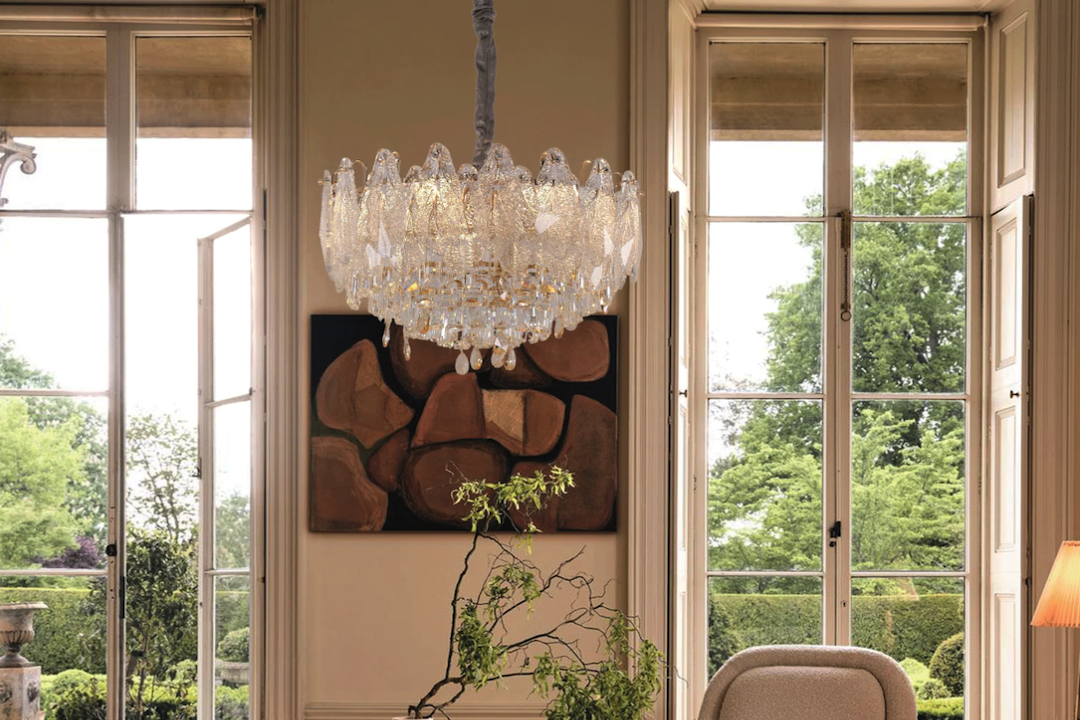
  • Enhance Your Space with a Stunning Wave Glass Chandelier

    Enhance Your Space with a Stunning Wave Glass Chandelier

    Wave glass chandeliers represent a captivating fusion of artistry and functionality, transforming ordinary spaces into extraordinary environments. Characterized by their fluid, organic shapes reminiscent of ocean waves, these lighting fixtures are not merely sources of illumination; they are sculptural masterpieces that evoke a sense of movement and grace. The use of glass in their construction allows for a play of light that can create mesmerizing reflections and shadows, enhancing the ambiance of any room.

    As interior design trends continue to evolve, wave glass chandeliers have emerged as a popular choice for homeowners and designers alike, offering a unique blend of elegance and modernity. The allure of wave glass chandeliers lies not only in their aesthetic appeal but also in their versatility. They can seamlessly integrate into various design styles, from contemporary and minimalist to more traditional and eclectic settings.

    The craftsmanship involved in creating these pieces often showcases the skill of artisans who manipulate glass to achieve the desired wave-like forms. This attention to detail ensures that each chandelier is unique, making it a focal point that can elevate the overall design narrative of a space. As we delve deeper into the benefits, selection criteria, and creative applications of wave glass chandeliers, it becomes clear that they are more than just lighting fixtures; they are integral components of modern interior design.

    The Benefits of Wave Glass Chandeliers

    One of the primary benefits of wave glass chandeliers is their ability to enhance the aesthetic appeal of a room. The fluid shapes and reflective surfaces create a dynamic visual experience that can draw the eye and serve as a conversation starter. Unlike traditional chandeliers, which may adhere to more rigid geometric forms, wave glass designs offer a sense of movement that can soften the overall look of a space.

    This quality makes them particularly effective in areas where a touch of elegance is desired, such as dining rooms, entryways, or living areas. In addition to their visual impact, wave glass chandeliers also provide practical benefits. Many designs incorporate energy-efficient LED lighting options, which not only reduce electricity consumption but also extend the lifespan of the fixture.

    The glass used in these chandeliers often has excellent light diffusion properties, allowing for a warm and inviting glow that can transform the atmosphere of a room. Furthermore, wave glass chandeliers are available in various sizes and configurations, making it easy to find a piece that fits both the scale of the space and the specific lighting needs. This adaptability ensures that they can be used effectively in both large open areas and more intimate settings.

    How to Choose the Right Wave Glass Chandelier for Your Space

    Selecting the perfect wave glass chandelier involves several considerations that go beyond mere aesthetics. First and foremost, one must assess the scale of the space where the chandelier will be installed. A large, dramatic chandelier may overwhelm a small room, while a petite design might get lost in a grand foyer.

    To achieve balance, it is essential to consider both the dimensions of the chandelier and the height of the ceiling. For instance, in a room with high ceilings, a cascading wave glass chandelier can create an impressive focal point, while in lower-ceilinged spaces, a flush mount or semi-flush design may be more appropriate. Another critical factor is the color palette and overall design theme of the room.

    Wave glass chandeliers Lamp24 come in various colors and finishes, from clear and frosted glass to vibrant hues that can complement or contrast with existing decor. For example, a clear or white wave glass chandelier can enhance a minimalist or Scandinavian-inspired space by adding texture without overwhelming the design. Conversely, a bold-colored piece can serve as an accent that ties together other elements within a room.

    Additionally, considering the style—whether modern, transitional, or traditional—will help ensure that the chandelier harmonizes with other furnishings and decor elements.

    Installation and Maintenance Tips for Wave Glass Chandeliers

    Installing a wave glass chandelier requires careful planning and execution to ensure both safety and aesthetic appeal. It is advisable to consult with a professional electrician for installation, especially for larger or more complex fixtures. Before installation, it is essential to determine the appropriate height at which to hang the chandelier.

    A general guideline is to position it approximately 30 to 36 inches above dining tables or kitchen islands to allow for adequate clearance while still providing effective illumination. In entryways or living rooms with higher ceilings, hanging it higher can create an impressive visual effect. Once installed, maintaining a wave glass chandelier is relatively straightforward but does require regular attention to keep it looking its best.

    Dust accumulation can dull the shine of the glass and diminish its reflective qualities. To clean the chandelier, use a soft microfiber cloth or duster to gently wipe down the surfaces. For more thorough cleaning, especially if there are fingerprints or smudges, a mixture of warm water and mild dish soap can be used.

    It is crucial to avoid harsh chemicals or abrasive materials that could scratch or damage the glass. Additionally, checking the electrical components periodically ensures that everything is functioning correctly and safely.

    Creative Ways to Incorporate Wave Glass Chandeliers in Different Rooms

    Wave glass chandeliers can be creatively integrated into various rooms throughout a home, each application highlighting their versatility and charm. In dining rooms, for instance, these chandeliers can serve as stunning centerpieces above dining tables, casting an inviting glow during meals and gatherings. The interplay of light through the glass can enhance the dining experience by creating an atmosphere that feels both intimate and elegant.

    Choosing a chandelier with warm tones can further enhance this effect, making it an ideal choice for family dinners or entertaining guests. In living rooms, wave glass chandeliers can be used to define spaces within open floor plans. By selecting a larger fixture with cascading waves, homeowners can create visual interest while delineating areas for relaxation or socializing.

    Additionally, placing smaller wave glass fixtures in reading nooks or corners can add layers of light and texture without overwhelming the space. In bedrooms, these chandeliers can introduce a touch of luxury; hanging one above a bed or in a walk-in closet can elevate the overall design while providing functional lighting.

    Wave Glass Chandeliers as a Statement Piece in Interior Design

    In contemporary interior design, wave glass chandeliers have gained recognition as statement pieces that can define an entire room’s character. Their unique forms and captivating designs allow them to stand out as focal points rather than mere accessories. When strategically placed in high-traffic areas such as entryways or grand staircases, these chandeliers can leave lasting impressions on guests and residents alike.

    The shimmering light reflections created by their intricate designs add depth and dimension to spaces that might otherwise feel flat or uninspired. Moreover, incorporating wave glass chandeliers into an interior design scheme allows for creative storytelling through lighting. Designers often use these fixtures to complement other elements within a room—such as artwork or furniture—creating cohesive narratives that enhance the overall aesthetic experience.

    For example, pairing a bold wave glass chandelier with similarly styled decor elements—like vases or wall art—can create an immersive environment where every piece contributes to a unified theme.

    Customizing Wave Glass Chandeliers to Fit Your Aesthetic

    One of the most appealing aspects of wave glass chandeliers is their potential for customization. Many manufacturers offer options for bespoke designs that allow homeowners to tailor their fixtures according to personal preferences and specific design requirements. This customization can range from selecting different colors and finishes to altering dimensions or even modifying the shape of the waves themselves.

    Such flexibility ensures that each chandelier not only fits perfectly within its intended space but also resonates with the homeowner’s unique style. For those looking to make an even bolder statement, custom lighting designers can collaborate with clients to create entirely unique pieces that reflect individual tastes and lifestyles. This process often involves consultations where clients can express their vision while designers provide insights into materials and techniques that will bring those ideas to life.

    Whether opting for an oversized installation that becomes an art piece in its own right or choosing subtle variations on existing designs, customization allows for personal expression through lighting.

    Where to Find High-Quality Wave Glass Chandeliers

    Finding high-quality wave glass chandeliers requires careful consideration of both style and craftsmanship. Numerous retailers specialize in designer lighting fixtures, offering an array of options ranging from contemporary to traditional styles. Online platforms such as Wayfair or Overstock provide extensive catalogs where customers can filter by style, size, and price range to find suitable options for their spaces.

    However, purchasing from reputable brands known for their craftsmanship ensures longevity and aesthetic appeal. For those seeking truly unique pieces, visiting local artisan shops or galleries may yield exceptional finds that cannot be replicated elsewhere. Many artisans specialize in handcrafted lighting solutions using techniques passed down through generations; these pieces often carry stories and histories that mass-produced items lack.

    Additionally, attending home shows or design expos can provide opportunities to discover new trends in lighting while connecting with designers who may offer custom solutions tailored specifically for individual needs.

  • Enhance Your Space with Colorful LED Light Strips

    Enhance Your Space with Colorful LED Light Strips

    LED light strips have revolutionized the way we illuminate our spaces, offering versatility and efficiency that traditional lighting methods simply cannot match. These flexible strips, embedded with numerous light-emitting diodes, can be cut to size and installed in a variety of locations, making them an ideal choice for both residential and commercial applications. The advent of LED technology has not only enhanced energy efficiency but has also provided a palette of colors and brightness levels that can be tailored to suit any mood or occasion.

    As a result, LED light strips have become a popular choice for homeowners looking to enhance their interior design while also reducing energy consumption. The appeal of LED light strips lies in their adaptability. They can be used to create subtle accents or bold statements, depending on the desired effect.

    With the ability to change colors and brightness through remote controls or smartphone apps, users can easily adjust the lighting to fit their needs. This flexibility makes LED light strips Ozojo an excellent choice for various settings, from cozy living rooms to vibrant entertainment spaces. As we delve deeper into the world of LED light strips, we will explore how to choose the right colors, creative applications, installation tips, and ways to maintain these innovative lighting solutions.

    Choosing the Right Color for Your Space

    Warm Colors for Relaxation

    Warm white or soft yellow hues are often associated with relaxation and comfort, making them ideal for bedrooms or reading nooks.

    Cool Colors for Productivity

    In contrast, cooler colors like blue or green can promote focus and productivity, making them suitable for home offices or study areas. Understanding color psychology can significantly enhance the effectiveness of your lighting choices.

    Color Temperature and Versatility

    The color temperature of LED light strips is another important factor to consider. Measured in Kelvin (K), color temperature ranges from warm (around 2700K) to cool (upwards of 5000K). Warm white light creates a cozy ambiance, while cool white light mimics daylight and can energize a space. Additionally, RGB (red, green, blue) LED strips allow for a wide spectrum of colors, enabling users to experiment with different shades and combinations. This versatility not only enhances aesthetic appeal but also allows for dynamic changes in mood throughout the day or during special events.

    Creative Ways to Use LED Light Strips

    The versatility of LED light strips opens up a world of creative possibilities for enhancing your living space. One popular application is under-cabinet lighting in kitchens. By installing LED strips beneath cabinets, homeowners can illuminate countertops without the need for bulky fixtures.

    This not only improves visibility while cooking but also adds a modern touch to the kitchen’s design. Similarly, LED strips can be used to highlight architectural features such as crown molding or staircases, creating a dramatic effect that draws attention to these elements. Another innovative use of LED light strips is in home entertainment systems.

    By placing strips behind televisions or around sound systems, users can create an immersive viewing experience that enhances movies and gaming sessions. The ambient glow can be synchronized with on-screen action, providing a captivating visual experience that elevates entertainment to new heights. Additionally, LED strips can be used in outdoor settings, such as patios or gardens, where they can outline walkways or highlight landscaping features, creating a magical atmosphere during evening gatherings.

    Installing LED Light Strips

    Installing LED light strips is a straightforward process that can be accomplished with minimal tools and expertise. Most LED strips come with an adhesive backing that allows for easy application on various surfaces. Before installation, it is essential to clean the area where the strips will be placed to ensure proper adhesion.

    For optimal results, measure the length needed and cut the strip at designated points if necessary. Many LED strips are designed with cut lines that indicate where they can be safely trimmed without damaging the circuitry. Once the strip is cut to size, peel off the backing and press it firmly onto the chosen surface.

    For added security, especially in high-traffic areas or where moisture may be present, consider using mounting clips or brackets. If you are connecting multiple strips or integrating them into a more complex lighting system, follow the manufacturer’s instructions regarding wiring and power supply connections. Many modern LED strips are compatible with smart home systems, allowing for seamless integration with existing technology.

    Creating Ambiance with LED Light Strips

    Creating ambiance with LED light strips involves more than just choosing colors; it requires an understanding of how lighting affects mood and perception within a space. Dimmer switches or smart controls can enhance this experience by allowing users to adjust brightness levels according to their needs. For instance, during a dinner party, soft lighting can create an intimate atmosphere, while brighter settings may be more appropriate for social gatherings or family activities.

    Layering different types of lighting is another effective strategy for creating ambiance. Combining LED light strips with other light sources—such as floor lamps or pendant lights—can add depth and dimension to a room. By strategically placing LED strips in corners or along walls, you can create a wash of color that complements existing fixtures while providing additional illumination.

    This layered approach not only enhances visual interest but also allows for greater flexibility in adjusting the mood of a space throughout the day.

    Incorporating LED Light Strips in Different Rooms

    Living Room Ambiance

    LED light strips can be used to accentuate artwork or architectural features in living rooms, creating focal points that draw the eye. By placing them behind furniture or along shelves, you can add depth and dimension while providing ambient lighting that enhances relaxation during movie nights or gatherings.

    Bedtime Serenity

    In bedrooms, LED light strips can function as subtle nightlights when placed along baseboards or under beds, providing a gentle glow that helps navigate the room without disturbing sleep. They can also be integrated into headboards or around mirrors to create a soft, inviting atmosphere conducive to winding down at the end of the day.

    Bathroom Illumination

    Waterproof LED strips can be installed around mirrors or along vanities in bathrooms, providing bright yet flattering lighting for grooming tasks.

    Customizing LED Light Strips for Special Occasions

    One of the most exciting aspects of LED light strips is their ability to be customized for special occasions and celebrations. For instance, during holidays such as Christmas or Halloween, users can switch their LED strips to festive colors like red and green or orange and purple to enhance seasonal decor. Many smart LED systems allow users to program specific color patterns or effects that sync with music or other elements of a celebration.

    For events like birthdays or weddings, LED light strips can be used creatively to set the mood. They can outline tablescapes or highlight centerpieces, adding an enchanting glow that elevates the overall aesthetic of the event. Furthermore, using programmable RGB strips allows hosts to change colors throughout the event, adapting the ambiance as guests arrive and festivities unfold.

    Maintenance and Care for LED Light Strips

    Maintaining LED light strips is relatively simple but essential for ensuring their longevity and performance. Regular cleaning is necessary to prevent dust accumulation that can diminish brightness over time. A soft cloth dampened with water or a mild cleaning solution can be used to wipe down the surface of the strips without damaging them.

    It is crucial to avoid using abrasive materials that could scratch or harm the LEDs. Additionally, monitoring the power supply and connections is vital for optimal performance. Ensure that all connections are secure and free from corrosion or damage.

    If you notice any flickering or dimming in your LED strips, it may indicate an issue with the power source or wiring that needs addressing promptly. By following these maintenance tips and being attentive to any changes in performance, you can enjoy your LED light strips for years to come while maximizing their aesthetic impact on your space.

  • Contemporary Elegance: Modern Feather Chandelier

    Contemporary Elegance: Modern Feather Chandelier

    In the realm of contemporary interior design, few lighting fixtures capture attention quite like modern feather chandeliers. These unique pieces blend elegance with a touch of whimsy, transforming ordinary spaces into extraordinary environments. Feather chandeliers are not merely functional; they serve as artistic statements that evoke a sense of luxury and creativity.

    Their soft, ethereal appearance can soften the harshness of modern architecture, making them a popular choice for both residential and commercial spaces. The allure of feather chandeliers lies in their ability to harmonize with various design aesthetics. Whether your home leans towards minimalism, bohemian chic, or even mid-century modern, these chandeliers can seamlessly integrate into your decor.

    The use of natural materials, such as feathers, adds an organic element that contrasts beautifully with sleek metals and glass. As we delve deeper into the world of modern feather chandeliers, we will explore their design intricacies, versatility, and the ways they can elevate your living spaces.

    The Design and Construction of Modern Feather Chandeliers

    Feathers: The Primary Component

    The primary component of these chandeliers Yigo, feathers, can be sourced from various birds, including ostriches, peacocks, and even chickens. Each type of feather brings its own unique texture and color palette, allowing designers to create a diverse range of styles.

    Construction and Design

    The construction of these chandeliers typically involves a sturdy frame made from metal or wood, which supports the delicate feathers. Designers often employ techniques that ensure the feathers are securely attached while allowing them to sway gently with air movement. This dynamic quality adds an element of life to the chandelier, as it interacts with light and space.

    Illumination and Ambiance

    Many modern feather chandeliers incorporate LED lighting, which not only provides energy efficiency but also enhances the visual impact of the feathers by casting soft shadows and creating a warm ambiance. This fusion of materials and technology results in a truly unique and captivating lighting fixture.

    How to Incorporate Modern Feather Chandeliers into Your Home Decor

    Incorporating modern feather chandeliers into your home decor requires thoughtful consideration of both placement and style. One effective approach is to use these chandeliers as focal points in rooms where you want to make a statement. For example, a large feather chandelier can serve as the centerpiece in a dining room, drawing the eye upward and creating an inviting atmosphere for gatherings.

    In living rooms, placing a feather chandelier above a seating area can add a touch of glamour while providing ambient lighting. When selecting a feather chandelier, it’s essential to consider the overall color scheme and design elements of the room. A chandelier with neutral-colored feathers can complement a minimalist space, while one adorned with bold colors can enhance a more eclectic decor style.

    Additionally, consider the height of your ceilings; taller ceilings can accommodate larger chandeliers that create a sense of grandeur, while lower ceilings may benefit from more compact designs that still provide visual interest without overwhelming the space.

    The Versatility of Modern Feather Chandeliers

    One of the most appealing aspects of modern feather chandeliers is their versatility. These fixtures can adapt to various settings and styles, making them suitable for different environments. In residential spaces, they can be used in bedrooms to create a serene and dreamy atmosphere.

    A soft feather chandelier above a bed can evoke feelings of comfort and tranquility, transforming the room into a personal sanctuary. Beyond residential use, feather chandeliers have found their place in commercial settings as well. Restaurants and cafes often utilize these fixtures to create an inviting ambiance that encourages patrons to linger longer.

    In boutique hotels or spas, feather chandeliers can enhance the overall aesthetic, contributing to a luxurious experience for guests. Their ability to blend seamlessly with diverse themes—from rustic charm to modern elegance—demonstrates their adaptability and broad appeal.

    Modern Feather Chandeliers: A Statement Piece for Any Room

    Modern feather chandeliers are undeniably statement pieces that command attention in any room they inhabit. Their unique design and striking presence can elevate the aesthetic of even the most mundane spaces. For instance, in an entryway or foyer, a large feather chandelier can set the tone for the entire home, welcoming guests with its artistic flair.

    The interplay of light and shadow created by the feathers adds depth and intrigue to the space. In addition to their visual impact, feather chandeliers also contribute to the overall atmosphere of a room. The soft textures of feathers diffuse light in a way that creates a warm and inviting glow.

    This quality makes them particularly effective in spaces where relaxation is key, such as bedrooms or reading nooks. By choosing a feather chandelier that resonates with your personal style, you can create an environment that reflects your taste while also serving as a conversation starter for visitors.

    The Popularity of Modern Feather Chandeliers in Contemporary Interior Design

    The resurgence of interest in modern feather chandeliers can be attributed to several factors within contemporary interior design trends. As homeowners increasingly seek unique and personalized decor elements, feather chandeliers offer an opportunity to express individuality while maintaining elegance. Their organic materials resonate with the growing trend towards biophilic design—an approach that emphasizes the connection between nature and interior spaces.

    Social media platforms like Instagram and Pinterest have also played a significant role in popularizing these fixtures. Influencers and designers showcase stunning interiors featuring feather chandeliers, inspiring others to incorporate similar pieces into their homes. The visual appeal of these chandeliers makes them highly shareable content, further fueling their popularity among design enthusiasts.

    As more people embrace eclectic styles that blend traditional and modern elements, feather chandeliers have emerged as a favored choice for those looking to make bold design statements.

    Where to Find and Purchase Modern Feather Chandeliers

    Finding the perfect modern feather chandelier involves exploring various retail options that cater to different tastes and budgets. High-end furniture stores often carry designer collections featuring exquisite feather chandeliers crafted by renowned artisans. These pieces may come with a higher price tag but offer unparalleled quality and unique designs that stand out in any setting.

    For those seeking more affordable options, online marketplaces such as Etsy or Wayfair provide a plethora of choices from independent artisans and manufacturers. These platforms allow customers to browse through numerous styles and price ranges, making it easier to find something that fits both aesthetic preferences and budget constraints. Additionally, local home decor boutiques may offer curated selections of feather chandeliers that reflect regional styles and craftsmanship.

    Tips for Maintaining and Cleaning Modern Feather Chandeliers

    Maintaining modern feather chandeliers is essential for preserving their beauty and functionality over time. Regular dusting is crucial; feathers can attract dust particles that may dull their luster. Using a soft microfiber cloth or a feather duster is recommended to gently remove dust without damaging the delicate materials.

    It’s advisable to perform this maintenance task every few weeks or as needed based on the environment in which the chandelier is placed. In terms of deeper cleaning, it’s important to follow specific guidelines based on the materials used in your chandelier. If your chandelier features removable feathers, check if they are washable; some may require spot cleaning instead.

    For metal or wooden components, using a damp cloth with mild soap can help maintain their shine without causing corrosion or damage. Always ensure that any cleaning solution is safe for use on delicate materials before applying it to avoid any adverse effects on your chandelier’s appearance. By understanding how to care for modern feather chandeliers properly, you can ensure that these stunning fixtures continue to enhance your home’s decor for years to come.

    Their unique charm and versatility make them not just lighting solutions but integral components of your interior design narrative.

  • Rustic Elegance: Farmhouse Chandelier Lighting

    Rustic Elegance: Farmhouse Chandelier Lighting

    Farmhouse chandelier lighting embodies a unique blend of rustic charm and elegant sophistication, making it a popular choice for homeowners seeking to create a warm and inviting atmosphere. This style of lighting often features natural materials, such as wood and wrought iron, combined with soft, ambient light that enhances the overall aesthetic of a space. The allure of farmhouse chandeliers lies not only in their visual appeal but also in their ability to evoke a sense of nostalgia, reminiscent of simpler times spent in cozy country homes.

    As more people gravitate towards this design ethos, understanding the nuances of farmhouse chandelier lighting becomes essential for anyone looking to elevate their home decor. The versatility of farmhouse chandeliers allows them to seamlessly integrate into various design schemes, from traditional to modern. Whether hung above a dining table, in a foyer, or in a living room, these fixtures serve as statement pieces that draw the eye and anchor the room.

    The interplay of light and shadow created by the intricate designs of these chandeliers adds depth and character to any space. As we delve deeper into the history, selection, and maintenance of farmhouse chandelier lighting, it becomes clear that this style is not merely a trend but a timeless choice that continues to resonate with homeowners.

    The History of Farmhouse Chandelier Lighting

    The origins of chandelier lighting can be traced back to medieval Europe, where they were initially designed as practical fixtures to hold candles. These early chandeliers were often made from wood or metal and were suspended from ceilings to illuminate large spaces such as churches and castles. As time progressed, the design evolved, incorporating more ornate elements and materials like crystal and glass, particularly during the Baroque and Rococo periods.

    However, the farmhouse chandelier emerged as a distinct style in the 19th century, reflecting the simplicity and functionality of rural life. In America, the farmhouse aesthetic gained prominence during the late 1800s and early 1900s, coinciding with the rise of the Arts and Crafts movement. This movement emphasized handcrafted goods and natural materials, aligning perfectly with the ethos of farmhouse design.

    As industrialization took hold, many families sought refuge in rural areas, leading to the construction of farmhouses that featured practical yet beautiful lighting solutions. The farmhouse chandelier became a symbol of this lifestyle, representing both utility and beauty. Today, these fixtures continue to draw inspiration from their historical roots while adapting to contemporary tastes.

    How to Incorporate Farmhouse Chandelier Lighting into Your Home Decor

    Incorporating farmhouse chandelier lighting 88off into your home decor can transform a space from ordinary to extraordinary. One effective approach is to consider the overall theme of your home. If your decor leans towards rustic or country styles, a wooden or wrought iron chandelier can serve as a focal point that ties the room together.

    For instance, a large, distressed wood chandelier can complement exposed beams in a living room or dining area, enhancing the rustic charm while providing ample illumination. Another way to integrate farmhouse chandeliers is by mixing styles. A modern farmhouse aesthetic allows for the blending of contemporary elements with traditional fixtures.

    For example, pairing a sleek metal chandelier with minimalist furniture can create an intriguing contrast that highlights both the fixture and the surrounding decor. Additionally, consider the scale of your chandelier in relation to the room size; larger spaces may benefit from grander designs, while smaller rooms might require more delicate options to avoid overwhelming the space.

    Choosing the Right Farmhouse Chandelier for Your Space

    Selecting the right farmhouse chandelier involves several considerations that can significantly impact both functionality and aesthetics. First and foremost is the size of the chandelier in relation to the room dimensions. A common guideline is to add the length and width of the room in feet and convert that number into inches for an appropriate diameter of the chandelier.

    For example, if your dining room measures 12 feet by 15 feet, a chandelier with a diameter of approximately 27 inches would be suitable. Material choice is another critical factor when choosing a farmhouse chandelier. Wood chandeliers often evoke warmth and coziness, making them ideal for spaces where comfort is paramount.

    On the other hand, metal fixtures can introduce an industrial edge that complements modern decor. Additionally, consider the finish; rustic finishes like aged bronze or distressed white can enhance the farmhouse aesthetic while providing versatility in styling. Finally, think about the type of bulbs you will use; warm-toned LED bulbs can create an inviting glow that enhances the overall ambiance.

    DIY Farmhouse Chandelier Lighting: Tips and Tricks

    For those who enjoy hands-on projects, creating a DIY farmhouse chandelier can be a rewarding endeavor that allows for personal expression and customization. One popular approach is to repurpose materials such as reclaimed wood or vintage metal components. For instance, an old wooden ladder can be transformed into a unique chandelier by suspending light fixtures from its rungs.

    This not only adds character but also tells a story through its materials. When embarking on a DIY project, it’s essential to plan carefully and ensure safety throughout the process. Begin by sketching your design and gathering all necessary materials before starting assembly.

    Pay attention to electrical components; if you are unfamiliar with wiring, consulting an electrician or following detailed tutorials can help prevent accidents. Additionally, consider incorporating elements like mason jars or Edison bulbs for added charm and authenticity. The result will be a one-of-a-kind fixture that reflects your personal style while embodying the essence of farmhouse elegance.

    Maintenance and Care for Farmhouse Chandelier Lighting

    Cleaning Your Chandelier

    Regular cleaning is essential to prevent dust accumulation that can dull finishes and obscure light output. For most materials, a soft cloth dampened with mild soap and water will suffice. However, be cautious with delicate finishes or intricate designs that may require more gentle handling.

    Metal Fixtures and Electrical Components

    For metal fixtures, using a specialized cleaner can help maintain their luster without causing damage. In addition to cleaning, periodic inspections are necessary to ensure all electrical components are functioning correctly. Check for loose bulbs or connections that may need tightening or replacement.

    Inspecting Crystals and Glass Elements

    If your chandelier features crystals or glass elements, inspect them for any signs of wear or breakage. Replacing damaged pieces promptly will help maintain safety and aesthetics. By investing time in maintenance, you can ensure that your farmhouse chandelier remains a stunning centerpiece in your home for years to come.

    Farmhouse Chandelier Lighting: Trends and Styles

    The world of farmhouse chandelier lighting is continually evolving, with new trends emerging that reflect changing tastes and lifestyles. One notable trend is the incorporation of mixed materials; chandeliers that combine wood with metal or glass elements are gaining popularity for their ability to create visual interest while maintaining a cohesive look. This blend allows homeowners to express their unique style while adhering to the principles of farmhouse design.

    Another trend is the use of oversized chandeliers in unexpected spaces. While traditionally found in dining rooms or entryways, larger fixtures are now being used in bedrooms or even bathrooms to make bold statements. Additionally, minimalist designs featuring clean lines and simple shapes are becoming increasingly popular within modern farmhouse aesthetics.

    These fixtures often emphasize functionality while still providing that rustic charm characteristic of traditional farmhouse lighting.

    Where to Find the Best Farmhouse Chandelier Lighting

    Finding high-quality farmhouse chandelier lighting requires exploring various sources that cater to different styles and budgets. Home improvement stores often carry a selection of chandeliers that range from budget-friendly options to more upscale designs. Retailers like Lowe’s or Home Depot typically offer both traditional and contemporary styles suitable for various decor themes.

    Online marketplaces such as Wayfair or Etsy provide an extensive array of choices from independent artisans and manufacturers specializing in farmhouse decor. Shopping online allows for greater flexibility in comparing styles and prices while also providing access to unique pieces that may not be available locally. Additionally, local antique shops or flea markets can yield hidden gems; vintage chandeliers often possess character and history that new fixtures may lack.

    By exploring these diverse avenues, homeowners can discover the perfect farmhouse chandelier that complements their space beautifully.

  • Dazzle Your Dining Room with a Modern Crystal Chandelier

    Dazzle Your Dining Room with a Modern Crystal Chandelier

    Modern crystal chandeliers have transcended their traditional roots, evolving into striking focal points that can dramatically alter the ambiance of a dining room. These fixtures are not merely sources of light; they are artistic statements that can enhance the overall aesthetic of the space. The refractive quality of crystal creates a play of light that dances across walls and ceilings, adding depth and dimension to the room.

    When strategically placed above a dining table, a modern crystal chandelier can create an inviting atmosphere, encouraging gatherings and enhancing the dining experience. The versatility of modern crystal chandeliers allows them to complement various design themes, from minimalist to opulent. For instance, a sleek, geometric chandelier with crystal accents can seamlessly integrate into a contemporary dining room, while a more elaborate design featuring cascading crystals can elevate a traditional or eclectic space.

    The choice of finish—whether polished chrome, brushed nickel, or antique brass—further influences how the chandelier interacts with other elements in the room. This adaptability makes modern crystal chandeliers an essential component in curating a cohesive and stylish dining area.Totcy

    Choosing the Right Size and Style for Your Dining Room

    Choosing the Perfect Chandelier Size

    Selecting the right size and style of a modern crystal chandelier is crucial for achieving a balanced look in your dining room. A chandelier that is too small may get lost in the space, while one that is excessively large can overwhelm the room and disrupt its harmony. To determine the right size, a common guideline is to add the dimensions of the dining room (in feet) and convert that sum into inches.

    For example, a dining room measuring 12 feet by 15 feet would suggest a chandelier diameter of approximately 27 inches. This formula provides a solid starting point, but personal preference and the specific layout of the room should also be considered.

    Aligning Style with the Room’s Design Theme

    In terms of style, it is essential to align the chandelier with the overall design theme of the dining room. For instance, if the decor leans towards mid-century modern, a chandelier with clean lines and a minimalist aesthetic would be appropriate. Conversely, if the space is more traditional, an ornate chandelier with intricate detailing may be more fitting.

    Harmonizing with Other Room Elements

    Additionally, consider the materials used in other furnishings—wood tones, upholstery fabrics, and decorative accents—to ensure that the chandelier harmonizes with these elements rather than competing for attention. By taking these factors into account, you can choose a chandelier that not only adds beauty to your dining room but also creates a cohesive and inviting atmosphere.

    Installation and Maintenance Tips for Modern Crystal Chandeliers

    Installing a modern crystal chandelier requires careful planning and execution to ensure both safety and aesthetic appeal. Before installation, it is vital to assess the existing electrical setup and determine whether it can support the weight and power requirements of the new fixture. If necessary, consult with a licensed electrician to upgrade wiring or install additional support brackets.

    The chandelier should be hung at an appropriate height—generally 30 to 36 inches above the dining table—to allow for comfortable conversation while ensuring that it does not obstruct views across the table. Once installed, maintaining a crystal chandelier is essential for preserving its beauty and functionality. Dust accumulation can dull the brilliance of the crystals, so regular cleaning is necessary.

    A gentle approach is recommended; using a microfiber cloth or a soft feather duster can effectively remove dust without scratching the surface. For deeper cleaning, consider using a solution of warm water and mild soap, applying it with a soft cloth while avoiding harsh chemicals that could damage the crystals or metal components. Additionally, periodic checks for loose crystals or hardware will help maintain safety and ensure that the chandelier remains securely mounted.

    How to Properly Light Your Dining Room with a Crystal Chandelier

    Proper lighting is fundamental to creating an inviting dining environment, and a modern crystal chandelier plays a pivotal role in this aspect. The type of bulbs used in the chandelier can significantly influence both the quality of light and energy efficiency. LED bulbs are increasingly popular due to their longevity and lower energy consumption, but they also come in various color temperatures that can affect the mood of the room.

    Warmer tones (around 2700K) create a cozy atmosphere ideal for intimate dinners, while cooler tones (above 3000K) may be more suitable for casual gatherings or daytime use. Layering light sources is another effective strategy for enhancing your dining room’s illumination. While the chandelier serves as a primary light source, incorporating additional lighting elements such as wall sconces or table lamps can create depth and dimension.

    Dimmers are particularly beneficial as they allow for adjustable brightness levels, enabling you to tailor the lighting to different occasions—from bright light for family meals to softer illumination for romantic dinners. By thoughtfully combining these elements, you can achieve a well-lit space that feels both functional and inviting.

    Enhancing Your Dining Room Ambiance with Crystal Chandelier Dimmers

    Dimmers are an often-overlooked feature that can significantly enhance the ambiance created by a modern crystal chandelier. By allowing you to adjust the brightness according to your needs, dimmers provide flexibility in setting the mood for various occasions. For instance, during festive gatherings or celebrations, brighter lighting can energize the atmosphere, while softer lighting can create an intimate setting for quiet dinners or special occasions.

    The installation of dimmer switches is relatively straightforward but should be done with care to ensure compatibility with your chandelier’s electrical system. Many modern chandeliers are designed to work seamlessly with dimmers; however, it is essential to check that the bulbs used are also dimmable. This compatibility ensures that you can enjoy smooth transitions between brightness levels without flickering or buzzing sounds.

    By incorporating dimmers into your lighting design, you not only enhance functionality but also elevate the overall aesthetic experience of your dining room.

    Incorporating Modern Crystal Chandeliers into Different Dining Room Design Styles

    Contemporary Settings

    In modern spaces characterized by clean lines and minimalistic decor, chandeliers featuring geometric shapes or sleek designs can serve as striking focal points without overwhelming the space. For instance, a linear chandelier with elongated crystals can complement a long dining table while maintaining an airy feel.

    Traditional Elegance

    In contrast, traditional dining rooms often benefit from more ornate chandeliers that reflect classic elegance. Chandeliers adorned with intricate detailing and rich finishes can enhance the opulence of wooden furniture and luxurious textiles commonly found in these spaces.

    Eclectic Expression

    Eclectic designs allow for creative expression; mixing different styles—such as pairing a modern crystal chandelier with vintage furniture—can create an inviting yet unique atmosphere that reflects personal taste.

    Mixing and Matching Crystal Chandeliers with Other Lighting Fixtures

    The art of mixing and matching lighting fixtures can add depth and character to your dining room decor. While a modern crystal chandelier may serve as the centerpiece, incorporating complementary fixtures can create visual interest and enhance functionality. For instance, pairing wall sconces with similar crystal accents can create a cohesive look while providing additional lighting options for different activities.

    When selecting additional fixtures, consider varying heights and styles to create an engaging visual dynamic. A combination of pendant lights over a sideboard or buffet table alongside your chandelier can establish layers of light that enhance both aesthetics and practicality. It’s also important to maintain a consistent color palette; using fixtures in similar finishes—such as brushed nickel or antique gold—can unify the overall design while allowing each piece to shine in its own right.

    Budget-Friendly Options for Adding a Modern Crystal Chandelier to Your Dining Room

    Adding a modern crystal chandelier to your dining room does not have to break the bank; there are numerous budget-friendly options available that still deliver style and elegance. One approach is to explore online retailers or local home decor stores that offer sales or discounts on lighting fixtures. Many brands produce affordable replicas of high-end designs without sacrificing quality or aesthetic appeal.

    Another cost-effective strategy involves considering alternative materials that mimic the look of crystal without the associated price tag. Acrylic chandeliers provide a similar visual effect while being lightweight and often more affordable than traditional glass crystal options. Additionally, DIY enthusiasts may find joy in refurbishing vintage chandeliers by updating their finishes or replacing outdated bulbs with modern LED options.

    This not only saves money but also allows for personalization in creating a unique piece that fits perfectly within your dining room decor. By thoughtfully considering these aspects when selecting and incorporating modern crystal chandeliers into your dining room decor, you can create an inviting space that reflects your personal style while enhancing functionality and ambiance.