Author: Tor Fanini

  • Easy Install Battery Operated Entryway Puck Lights

    Easy Install Battery Operated Entryway Puck Lights

    When it comes to brightening up your entryway, battery-operated puck lights are a fantastic solution, and yes, they’re generally super easy to install. In most cases, you’re looking at a peel-and-stick backing, a magnetic mount, or a simple screw-in bracket, taking mere minutes to get them up and running. These little lights offer a lot of flexibility without the hassle of wiring, making them a popular choice for all sorts of nooks and crannies.

    The entryway of your home sets the tone. It’s where you greet guests, kick off your shoes, and often search for keys in the dark. Good lighting here isn’t just about aesthetics; it’s about practicality and safety.

    No Wiring Worries

    One of the biggest advantages is circumventing electrical work. No need to call an electrician, no fishing wires through walls, and no dealing with unsightly cords. This is especially useful in older homes or rental properties where permanent alterations aren’t an option.

    Placement Flexibility

    Because they don’t need a power outlet, you can literally put these lights almost anywhere. Want to highlight a piece of art? Illuminate a dark corner? Or just add some ambient warmth? You have complete freedom.

    Cost-Effective Lighting Solution

    Compared to installing traditional wired fixtures, puck lights are significantly more affordable. The initial purchase price is low, and the lack of installation costs keeps your budget happy.

    Understanding Different Installation Methods

    While we’re championing “easy install,” it’s good to know the common methods you’ll encounter. This helps you choose the right light for your specific needs and surface.

    Peel-and-Stick Adhesion

    This is probably the most common and often the easiest method. The back of the puck light has a strong adhesive pad.

    Surface Preparation is Key

    For the adhesive to properly stick, the surface needs to be clean, dry, and smooth. Wipe down the area with rubbing alcohol and let it dry completely before attaching the light. Dust, grease, or uneven textures will compromise the bond.

    Temporary vs. Permanent

    While incredibly convenient, be aware that some adhesives are stronger than others. They’re great for temporary solutions or if you anticipate wanting to move the lights. However, extreme temperatures or high humidity can degrade the adhesive over time.

    Magnetic Mounting

    Many puck lights come with a small metal plate that you adhere to your desired surface. The light itself then has a magnet that snaps onto this plate.

    Easy Battery Changes

    This method is fantastic for battery replacement. Instead of peeling the whole light off the wall (and potentially damaging the paint), you just pull the magnetic light off its base, change the batteries, and snap it back on.

    Versatility for Metal Surfaces

    If you have a metal door frame or a metal shelf in your entryway, some puck lights can directly attach to the metal without needing the adhesive plate, offering even more flexibility.

    Screw-In Brackets

    Some more robust puck lights, or those designed for a slightly more permanent placement, might come with a small mounting bracket that you screw into the wall or ceiling. The light then twists or clips onto this bracket.

    Enhanced Security and Stability

    This method offers the most secure hold, making it ideal for high-traffic areas or if you’re worried about accidental bumps knocking the light off.

    Minor Tool Requirement

    You’ll need a screwdriver (and possibly a drill for pilot holes, depending on the surface) for this method. It’s still very easy, but not as tool-free as peel-and-stick.

    Essential Features to Look For

    Beyond installation, certain features make battery-operated puck lights more practical and enjoyable for an entryway.

    Brightness (Lumens) and Light Color (Kelvin)

    Don’t just pick any light. Think about how much illumination you actually need and what kind of ambiance you prefer.

    Lumens for Practicality

    An entryway often needs functional light. Look for lights with at least 50-100 lumens for general accent lighting. If you’re using it to help you see locks or steps, aim higher, perhaps 150-200 lumens per puck light, or use multiple lights strategically.

    Kelvin for Ambiance

    Light color is measured in Kelvin (K).

    • Warm White (2700K-3000K): Creates a cozy, inviting atmosphere, often preferred for homes.
    • Cool White (4000K-5000K): Brighter, more neutral light, good for task lighting where you need crisp visibility.
    • Daylight (5000K-6500K): Closest to natural daylight, can feel a bit stark in an entryway but is sometimes chosen for modern aesthetics.

    Motion Sensing Capability

    This is arguably one of the most useful features for an entryway.

    Hands-Free Convenience

    Imagine walking in with groceries or fumbling for keys – the light just comes on! It’s incredibly convenient and enhances safety by preventing trips or fumbles in the dark.

    Energy Efficiency

    Motion sensors ensure the lights are only on when needed, significantly extending battery life. Look for models with adjustable sensitivity and an auto shut-off timer (e.g., turns off after 20-30 seconds of no motion).

    Battery Life and Type

    Understanding this helps manage expectations and avoid frequent battery changes.

    Common Battery Types

    Most puck lights use AAA, AA, or sometimes CR2032 coin cell batteries. AAA and AA are generally preferred as they’re widely available and often rechargeable.

    Factors Affecting Life

    The brightness setting, how often the motion sensor is triggered, and the quality of the batteries all impact lifespan. A good quality set of batteries might last several months to a year under typical entryway use.

    Remote Control Functionality

    While not essential, a remote control can add a layer of convenience.

    Adjusting Settings from Afar

    With a remote, you can turn lights on/off, dim them, change colors (if applicable), or set timers without needing to physically reach each puck light. This is great for lights placed higher up or in less accessible spots.

    Strategic Placement in Your Entryway

    Where you put these lights can dramatically change their effectiveness and the overall feel of your entryway.

    Illuminating Key Areas

    Think about what needs to be seen and where shadows tend to lurk.

    Above the Coat Rack

    This ensures you can easily see what you’re grabbing or hanging up, especially helpful for darker coats or items.

    Inside a Console Table or Cabinet

    If you have a console table with cubbies or a small cabinet for shoes and keys, a puck light inside makes finding things much easier.

    Below a Shelf

    Pointed downwards, these can highlight decorative items on the shelf or provide soft ambient light to the surface below.

    Enhancing Safety

    Lighting isn’t just about looks; it’s about preventing accidents.

    Along Baseboards or Steps

    If your entryway has a slight step or transitions into a darker hall, low-mounted puck lights can act as subtle path lighting, guiding you safely.

    Near the Door Lock

    A common frustrating moment is fumbling for the keyhole in the dark. A puck light near the lock can save a lot of irritation.

    Aesthetic Accents

    Puck lights excel at adding subtle layers of light to enhance your decor.

    Highlighting Artwork or Mirrors

    Mounted above a framed picture or mirror, they can draw attention to these elements and add depth to the space.

    Inside Decorative Niches

    If your entryway has built-in shelves or decorative alcoves, puck lights can beautifully illuminate objects within them.

    Troubleshooting Common Issues

    Even with “easy install” items, a few hiccups can occur. Here’s how to address them.

    Lights Not Sticking Properly

    If your peel-and-stick lights keep falling, it’s almost always a surface issue.

    Re-Clean and Dry

    Go back to basics. Clean the surface thoroughly with isopropyl alcohol. Let it air dry completely. Consider waiting 24 hours before re-applying if humidity is an issue.

    Alternative Adhesives

    If the provided adhesive isn’t strong enough, try a stronger mounting tape (like 3M VHB tape) or, if possible, switch to magnetic or screw-in mounting.

    Short Battery Life

    This is a common complaint, but often has a simple explanation.

    Check Battery Quality

    Cheap batteries often have a short lifespan. Invest in reputable alkaline or rechargeable batteries. Rechargeables are a great long-term solution.

    Reduce Motion Sensor Triggers

    If your light is in a very high-traffic area, or if pets are constantly setting it off, consider adjusting the sensor’s sensitivity or moving the light slightly to a less “active” zone.

    Lower Brightness Setting

    Many puck lights offer multiple brightness levels. Running them at full brightness will drain batteries faster. If possible, opt for a lower setting that still provides adequate light.

    Motion Sensor Not Working Reliably

    Sometimes the sensor can be finicky.

    Clear the Sensor Path

    Ensure there’s nothing obstructing the sensor’s view, like a hanging coat, a plant, or a decorative item.

    Environmental Factors

    Extreme temperatures (very cold or very hot) can affect sensor performance. Also, rapid changes in ambient light can sometimes confuse a passive infrared (PIR) sensor.

    Test with Fresh Batteries

    Low battery power can sometimes cause erratic sensor behavior. Try a fresh set of batteries.

    Maintaining Your Puck Lights

    While low maintenance, a little care goes a long way in keeping your lights happy and bright.

    Regular Battery Checks

    Don’t wait for your lights to die completely. If you notice them dimming, it’s a good time to swap batteries. Mark your calendar for a periodic battery check, say every 3-6 months, depending on usage.

    Cleaning the Lens and Sensor

    Dust can accumulate on the light lens, dimming the output, and on the motion sensor, reducing its effectiveness. A quick wipe with a soft, dry cloth every few weeks will keep them performing optimally. Avoid harsh chemical cleaners as they can damage plastic.

    Proper Disposal of Batteries

    Always dispose of used batteries responsibly. Many communities have recycling programs for batteries. Avoid throwing them in regular trash, as they contain chemicals that can harm the environment.

    Choosing easy install battery-operated puck lights for your entryway is a smart, versatile, and budget-friendly decision. With a little thought about placement and features, you can create a welcoming, safe, and beautifully lit first impression for your home without ever touching a wire.
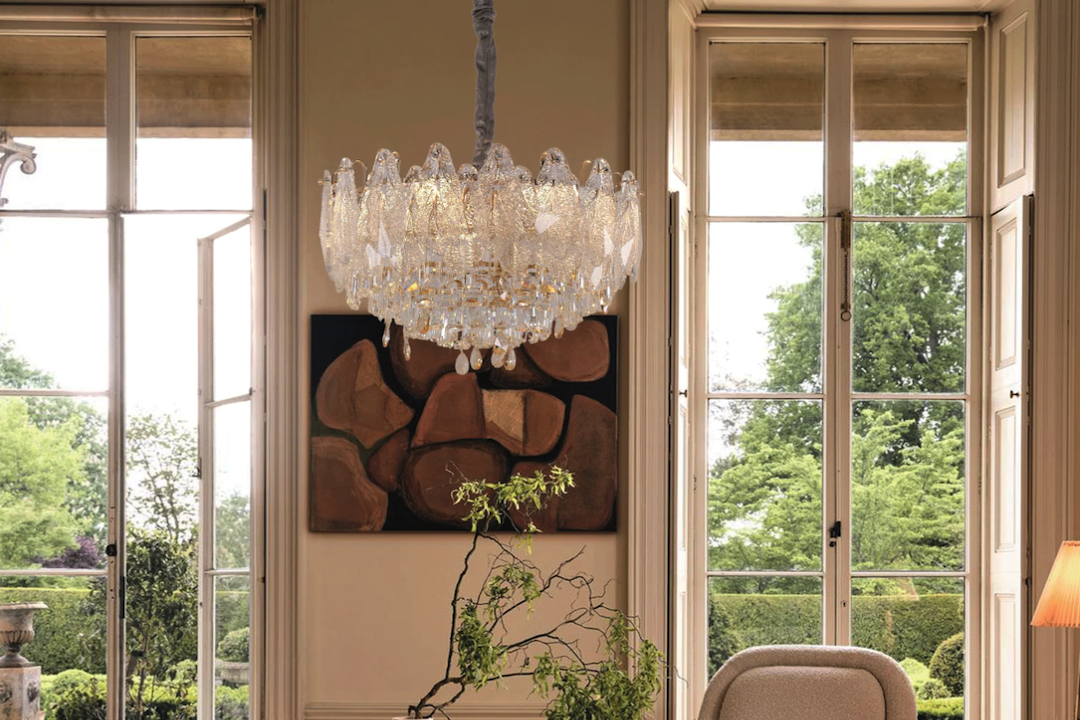
  • Opulent Champagne Gold Chandelier Elevates Luxury Dining Room

    Opulent Champagne Gold Chandelier Elevates Luxury Dining Room

    Thinking of a major upgrade for your dining room? You’ve probably scrolled through a million pictures of stylish spaces, and chances are, a stunning chandelier caught your eye. If you’re aiming for that sophisticated, welcoming vibe that screams “luxury dining,” a chandelier in champagne gold is seriously worth considering. It’s not just about shiny things; it’s about creating an atmosphere that makes every meal feel special. This article will dive into why a champagne gold chandelier works wonders for a luxury dining room, covering everything from its aesthetic appeal to practical considerations.

    The Allure of Champagne Gold

    Champagne gold isn’t your everyday bright, brassy gold. It has a softer, more muted quality, reminiscent of the actual beverage. This subtle warmth and refined sheen are precisely what make it so effective in a luxury setting.

    A Sophisticated Hue

    • Warm Undertones: Unlike cooler metallics, champagne gold brings a gentle warmth to a space. This feeling of coziness is crucial in a dining room, encouraging conversation and lingering at the table.
    • Understated Elegance: It’s not gaudy. The muted tones of champagne gold suggest a quiet confidence and a discerning taste, avoiding the ostentatious for a more refined statement.
    • Versatile Pairing: This color plays well with a wide range of other colors and materials. Think deep blues, emerald greens, rich burgundies, or even classic neutrals like cream, grey, and charcoal. It also complements wood tones, marble, and various fabric textures beautifully.

    Beyond Traditional Gold

    • A Modern Twist: While gold has a classic association with luxury, champagne gold offers a contemporary update. It feels fresh and relevant for today’s design sensibilities, bridging the gap between old-world charm and modern design.
    • Less Intimidating: For some, traditional polished gold can feel a bit too strong or overpowering. Champagne gold offers a more approachable yet equally luxurious alternative, making a statement without shouting.

    Creating a Focal Point

    Perhaps the most significant role a chandelier Enconco plays is as the room’s undisputed centerpiece. A champagne gold chandelier is particularly adept at this.

    Drawing the Eye

    • Natural Centerpiece: When a dining table is the functional heart of the room, the chandelier above it becomes the visual anchor. A well-chosen chandelier naturally draws your gaze upwards.
    • Illuminating the Gathering: It’s not just about light; it’s about how that light shapes the space. A chandelier casts a welcoming glow, highlighting the dining area and any decorative elements around it.
    • Sculptural Quality: Many champagne gold chandeliers are designed with artistic flair, featuring intricate details, cascading elements, or bold geometric shapes. This makes them as much a piece of art as a lighting fixture.

    Enhancing the Dining Experience

    • Setting the Mood: The lighting from a chandelier can dramatically alter the atmosphere. Dimmed appropriately, it creates an intimate setting perfect for romantic dinners or important conversations.
    • Making Meals Memorable: Dining is often a sensory experience. The visual appeal of a beautiful chandelier overhead contributes to the overall feeling of occasion, elevating everyday meals into something more special.
    • Reflecting Light: The metallic finish of champagne gold is excellent at reflecting light, helping to make the space feel brighter and more expansive, even when the lights are dimmed.

    Design Styles of Champagne Gold Chandeliers

    The beauty of champagne gold is that it’s incorporated into a vast array of chandelier designs, fitting virtually any aesthetic.

    Classic & Traditional

    • Crystal Embellishments: Many opulent chandeliers feature champagne gold frames adorned with clear or champagne-tinted crystals. These refract light beautifully, creating a dazzling display.
    • Curving Arms: Traditional styles often boast elegantly curved arms, perhaps with faux candle sleeves or subtle detailing, evoking a timeless, aristocratic feel.
    • Tiered Designs: Multi-tiered chandeliers offer grandeur and can be perfect for rooms with higher ceilings, ensuring they make a significant impact without looking lost.

    Modern & Contemporary

    • Geometric Forms: Clean lines, minimalist silhouettes, and geometric shapes are common in modern champagne gold chandeliers. Think Sputnik-style fixtures with radiating arms or linear designs.
    • Integrated LEDs: Many contemporary designs opt for integrated LED lighting, offering a sleek, bulb-free look and energy efficiency. The champagne gold finish adds a touch of warmth to these modern forms.
    • Open Frameworks: Some modern designs feature more open, airy structures, allowing light to flow freely and creating a less imposing presence while still delivering on style.

    Transitional Elegance

    • Blending Styles: Transitional designs are fantastic for their versatility. They might feature classic elements like crystal drops but with a more streamlined frame, or modern shapes softened by a warm champagne gold finish.
    • Slightly More Relaxed: These chandeliers can offer a touch of luxury without feeling overly formal, making them ideal for dining rooms that are used for both everyday meals and special occasions.

    Practical Considerations for Your Champagne Gold Chandelier

    Beyond the pure aesthetics, thinking about how the chandelier will fit into your space practically is key.

    Size and Scale

    • Proportion is Key: The most common mistake is choosing a chandelier that’s too small or too large for the dining table and room.
    • Diameter Rule: A good rule of thumb for the chandelier diameter (in inches) is to add the length and width of your dining room in feet. For example, a 10ft x 12ft room (22ft combined) would suggest a chandelier around 22 inches in diameter.
    • Tabletop Proportion: The chandelier should ideally be about half to two-thirds the width of your dining table.
    • Ceiling Height Matters: Taller ceilings can accommodate larger or more dramatic chandeliers. Lower ceilings might benefit from a more streamlined or flush-mount style.
    • Hanging Height: The bottom of the chandelier should typically hang about 30-36 inches above the dining table surface. However, this can be adjusted based on ceiling height and the chandelier’s overall scale.

    Installation and Maintenance

    • Professional Installation Recommended: Chandeliers, especially larger or heavier ones, require proper electrical work and structural support. Hiring a qualified electrician is crucial for safety and correct installation.
    • Cleaning the Shine: Keeping that champagne gold finish looking its best is usually straightforward.
    • Dust Regularly: A soft, dry cloth is often sufficient for routine dusting.
    • Gentle Cleaning Solutions: For tougher grime, a slightly damp cloth with a very mild soap solution (like dish soap diluted in water) can be used, followed by a thorough drying with a soft cloth. Avoid abrasive cleaners or harsh chemicals, as they can damage the finish.
    • Crystal Care: If your chandelier has crystal elements, these might require a specific glass cleaner for a streak-free shine.

    Lighting Needs

    • Dimmable Fixtures: For maximum versatility, ensure your chandelier is compatible with a dimmer switch. This allows you to control the ambiance, from bright and functional for everyday meals to soft and romantic for evenings.
    • Light Bulb Choice: Consider the type of bulbs needed. LED bulbs are energy-efficient and come in various color temperatures (warm white is usually best for a dining room). The number of bulbs will also affect the overall brightness.
    • Downlighting vs. Uplighting: Some chandeliers primarily cast light downwards onto the table, while others also have uplighting elements that illuminate the ceiling, creating a softer, more diffused light.

    Integrating the Chandelier into Your Decor

    A champagne gold chandelier won’t exist in a vacuum; it needs to seamlessly blend with your existing or planned decor.

    Complementary Colors and Materials

    • Rich Tones: Pair your champagne gold chandelier with rich, deep colors in your walls, upholstery, or accessories. Think navy blue, deep emerald, or a warm charcoal grey.
    • Natural Elements: Wood tables, woven placemats, or even live plants can create a beautiful contrast and grounding effect against the chandelier’s metallic gleam.
    • Marble and Stone: Luxurious materials like marble tabletops or stone accents in your flooring or fireplace can echo the sophistication of the chandelier.
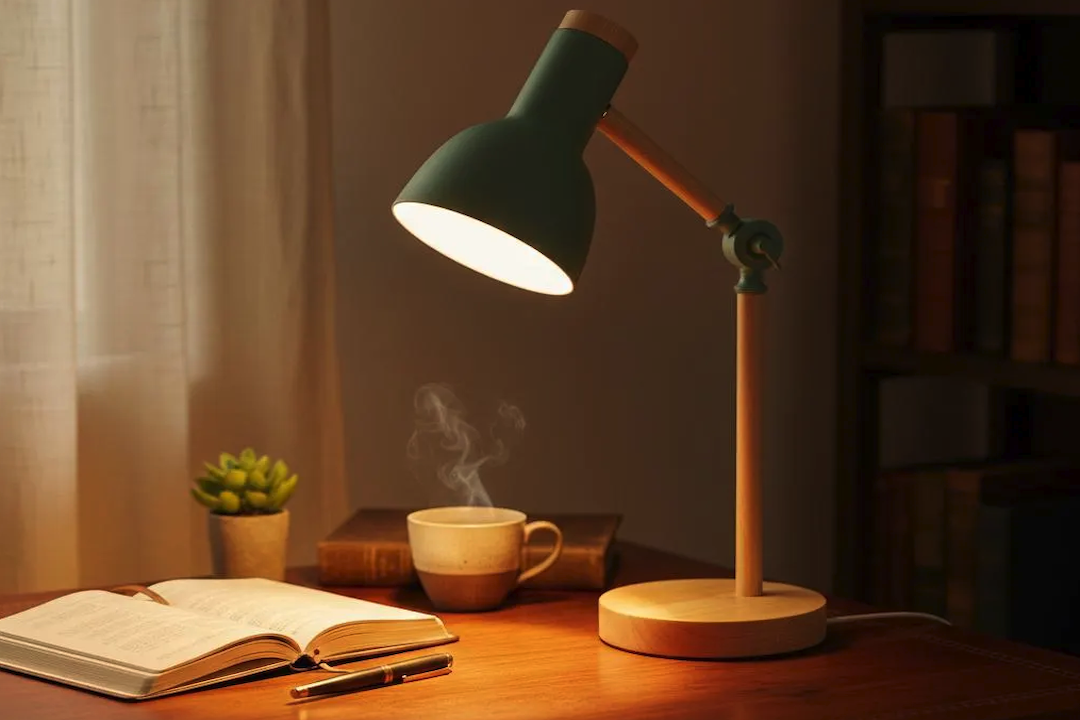
  • Scandinavian Style Solid Wood Desk Lamp for Study Room

    Scandinavian Style Solid Wood Desk Lamp for Study Room

    When it comes to outfitting a study room, one piece often overlooked in its impact is the desk lamp. Sure, it provides light, but a well-chosen lamp, especially a Scandinavian-style solid wood one, can seriously elevate your workspace, making it more inviting, functional, and even inspiring. It’s not just about illumination; it’s about creating an atmosphere that promotes focus and comfort.

    The Scandinavian design philosophy is all about simplicity, functionality, and a connection to nature. This translates beautifully into a study environment, which benefits greatly from these principles.

    Less Clutter, More Focus

    One of the hallmarks of Scandinavian design is its minimalist approach. There’s an emphasis on clean lines and uncluttered spaces. In a study, this is gold. A bulky, ornate lamp Posnano can be a visual distraction, taking up precious desk real estate and contributing to a feeling of chaos. A Scandinavian-style lamp, with its streamlined form, helps keep your workspace feeling calm and organized, allowing your mind to focus on the task at hand.

    Warmth and Natural Materials

    Scandinavian design heavily features natural materials, particularly wood. This isn’t just an aesthetic choice; it brings an inherent warmth and organic texture into a room. In a study, which can sometimes feel sterile (especially with a lot of tech), the presence of solid wood in your desk lamp can soften the environment, making it feel more comfortable and less overwhelming. It introduces a touch of nature indoors, which can be surprisingly calming and rejuvenating.

    Practicality Above All Else

    Functionality is never an afterthought in Scandinavian design; it’s fundamental. This means a solid wood desk lamp in this style won’t just look good; it’ll be designed to perform its primary function exceptionally well. Think adjustable arms, diffused light, and stable bases – all working together to provide optimal lighting for reading, writing, or working on your computer.

    The Beauty of Solid Wood

    Beyond its Scandinavian connection, the choice of solid wood for a desk lamp brings its own set of advantages. It’s not just a trend; it’s a timeless material.

    Durability That Lasts

    Unlike composite materials or veneers, solid wood is inherently robust. A solid wood desk lamp is built to withstand the test of time, resisting dings and dents that might mar a less substantial piece. This means your investment is likely to last for many years, even decades, becoming a staple in your study rather than a temporary fixture.

    Unique Grains and Textures

    Every piece of solid wood tells a story through its grain. No two solid wood lamps will be exactly alike, offering a unique character that synthetic materials simply can’t replicate. This natural variation adds a subtle interest to your desk, preventing it from feeling too generic or mass-produced. It’s a small detail that can make a big difference in the overall feel of your study.

    Ageing Gracefully

    Solid wood doesn’t just last; often, it improves with age. Depending on the type of wood and how it’s finished, it can develop a beautiful patina over time, deepening in color and character. This means your lamp won’t look dated after a few years; instead, it will gain a richer personality, becoming an even more cherished part of your study.

    Key Features to Look for in a Scandinavian Solid Wood Desk Lamp

    When you’re shopping for a lamp, it’s easy to get caught up in aesthetics alone. But for a study lamp, practical features are just as important.

    Adjustability for Optimal Lighting

    A static light source can be limiting. A good study lamp needs to be adaptable.

    Flexible Arms and Joints

    Look for lamps with articulated arms or swivel joints. This allows you to direct light precisely where you need it, whether you’re focusing on a book, a keyboard, or a notebook. The ability to adjust height and angle means you can minimize glare and maximize illumination on your specific task. This flexibility is crucial for preventing eye strain during long study sessions.

    Dimmable Options

    While not strictly a “wood” feature, dimmable functionality is incredibly useful. It allows you to tailor the light intensity to different tasks and times of the day, from bright, focused light for intricate work to a softer glow for late-night reading or ambient illumination. Some lamps offer step dimming, while others provide a continuous range.

    Light Quality and Diffusion

    The type of light emitted is just as important as where it’s directed.

    Shade Material and Design

    The shade plays a critical role in how light is distributed. Scandinavian style often favors shades that diffuse light softly, preventing harsh glares. Look for shades made from frosted glass, linen, or even thinly sliced wood veneer that allows light to pass through subtly. The shape of the shade also matters; wider, open shades will cast a broader light, while narrower ones will create a more focused beam.

    Bulb Type Compatibility

    While many modern Scandinavian lamps come with integrated LED lights, if you’re choosing a lamp with a standard socket, consider the bulb type. Warm white (2700K-3000K) is generally preferred for study spaces as it’s less harsh on the eyes than cooler temperatures and promotes a more relaxed atmosphere, while still being bright enough for focus. LED bulbs are energy- efficient and long-lasting, minimizing the need for frequent replacements.

    Stability and Footprint

    A wobbly lamp is an annoying and potentially dangerous lamp.

    Weighted Base

    Especially important for lamps with articulated arms, a heavy, stable base prevents tipping. This ensures your lamp stays put, even when adjusted to an awkward angle. Solid wood bases often provide this inherent stability due to the material’s density.

    Desk Space Considerations

    While some lamps might have a larger presence, consider how much desk space the base and overall footprint will occupy. Scandinavian design tends to be mindful of space, often featuring slimmer profiles or clever bases that don’t dominate your workspace. Think about how much room you have to work with on your desk and choose accordingly.

    Integrating Your Lamp into Your Study Space

    A desk lamp isn’t an island; it’s part of a larger ecosystem.

    Complementing Existing Decor

    The beauty of Scandinavian design is its versatility.

    Harmonizing with Color Palettes

    Scandinavian style often leans into neutral color palettes – whites, grays, and soft blues, often accented with natural wood tones. A solid wood lamp will naturally complement these schemes, adding warmth without clashing. If your study has bolder colors, a wooden lamp can act as a grounding element, bringing a sense of organic calm.

    Mixing with Other Materials

    Don’t be afraid to mix and match. A solid wood lamp will look stunning alongside metal accents (like a sleek monitor stand), glass elements (a water carafe), or textile textures (a comfy chair or a woolen throw). The natural simplicity of wood allows it to blend seamlessly while still standing out as a quality piece.

    Beyond the Desk: Where Else Can it Shine?

    While designed for the desk, these lamps can be versatile.

    Bedside Table Companion

    If your study doubles as a guest room or if you simply enjoy reading in bed, a smaller Scandinavian solid wood desk lamp can make an excellent bedside companion. Its gentle illumination and calming aesthetic are perfect for winding down.

    Accent Lighting on a Shelf or Credenza

    A particularly stylish solid wood lamp can also serve as accent lighting on a bookshelf or credenza. It can highlight a collection of books, a piece of art, or simply add a warm glow to a less-used corner of the room, enhancing the overall ambiance of your study.

    Maintenance and Care for Your Solid Wood Lamp

    Solid wood is durable, but a little care goes a long way in preserving its beauty.

    Simple Cleaning Tips

    Regular dusting is your best friend. Use a soft, dry cloth to gently wipe down the wooden components. Avoid abrasive cleaners or harsh chemicals, which can strip the finish and dull the wood. For more stubborn marks, a lightly damp cloth followed by immediate drying can work, but always test on an inconspicuous area first.

    Protecting the Finish

    Different wood finishes require different care.

    Oil or Wax Finishes

    If your lamp has an oil or wax finish, it might benefit from occasional re-oiling or re-waxing. This helps to nourish the wood, prevent drying, and maintain its luster. Always use products specifically designed for wood furniture and follow the manufacturer’s instructions. This might be something you do once a year, or less frequently, depending on the wood and environmental conditions.

    Lacquer or Varnish Finishes

    These finishes are more protective and generally require less maintenance. They form a hard barrier over the wood. For these, simply keeping them clean and avoiding scratches is usually sufficient. Be mindful of placing hot or wet items directly on the lamp base, as this can damage the finish over time.

    Environmental Considerations

    Wood is a natural material and can be affected by its surroundings.

    Humidity and Temperature

    Rapid changes in humidity and temperature can cause wood to expand, contract, or even crack. Try to place your lamp in a stable environment, away from direct heat sources like radiators or vents, and out of direct sunlight, which can fade the wood over time. A relatively stable room temperature and humidity level are ideal for preserving wood furniture.

    The Investment in Quality

    A solid wood Scandinavian desk lamp might feel like a larger initial investment compared to a plastic or metal alternative, but it’s an investment that pays dividends.

    Long-Term Value

    Its durability means it won’t need replacing often, saving you money in the long run. Its timeless design ensures it won’t go out of style, making it a piece you’ll appreciate for years to come. This isn’t a disposable item; it’s a foundational piece for your study.

    Enhanced User Experience

    Beyond the practicalities, there’s the intangible benefit of working in a beautifully lit, comfortable environment. Quality lighting reduces eye strain, improves focus, and can even boost your mood. The presence of natural materials like solid wood can create a more pleasant and productive atmosphere, making your study hours more enjoyable and effective.

    Supporting Craftsmanship

    Choosing solid wood often means supporting manufacturers and artisans who value quality materials and skilled craftsmanship. It’s a choice that reflects an appreciation for well-made items over mass-produced ones, contributing to a more sustainable consumption approach.

    In essence, a Scandinavian-style solid wood desk lamp is more than just a light source; it’s a statement piece that embodies functionality, natural beauty, and enduring quality. It transforms your study from merely a workspace into a truly inviting and inspiring environment.

  • Modern Living Room Decor: Glass Globe Table Lamp

    Modern Living Room Decor: Glass Globe Table Lamp

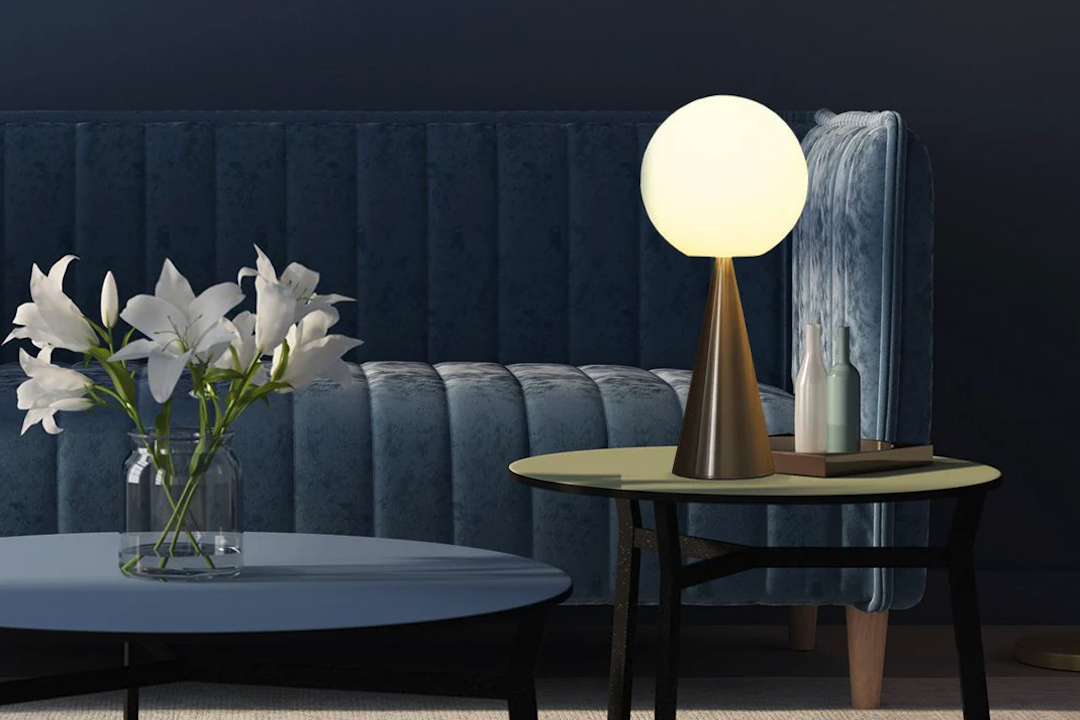
    So, you’re thinking about a glass globe table lamp for your living room, huh? That’s a pretty solid choice, honestly. If you’re looking for something that’s a bit chic, a bit minimalist, and can really set a mood, a glass globe lamp is definitely worth considering. They’re not just pretty to look at; they’ve got a lot going for them in terms of functionality and how they can shape the feel of your space.

    The Allure of the Glass Globe: Why It Works

    Let’s be real here, a glass globe lamp isn’t just a light Acorohome source; it’s a design element. When you’re trying to figure out the best way to decorate a modern living room, you’re essentially trying to create a vibe, a feeling. And a glass globe can seriously contribute to that. It’s got this inherent simplicity about it that lends itself well to modern aesthetics, but it can also bring a touch of something softer, something more sculptural.

    A Simplicity That Speaks Volumes

    The beauty of a glass globe lamp often lies in its straightforward form. There aren’t usually a lot of fussy details or extraneous bits. It’s the sphere, the material, and the light it emits. This simplicity is a huge plus in modern interiors, which often favor clean lines and uncluttered surfaces. It’s like a polished stone or a perfectly formed orb – it just looks right without needing to shout about it. This understated elegance means it can blend into various modern styles without overpowering anything else you’ve got going on.

    More Than Just a Light Bulb Holder

    Think of it as a piece of art that also happens to illuminate your room. The transparency or varying opacities of the glass can be really captivating. It’s not just about the light being cast out, but how the light interacts within the globe itself. This adds a layer of visual interest that a standard lampshade just doesn’t offer. It becomes a focal point, a conversation starter, even when it’s not switched on.

    Where to Place Your Glass Globe Lamp: Strategic Placement

    So, you’ve got this cool lamp. Now, where does it actually go? Placement is key to unlocking its full potential in your living room. It’s not about just sticking it anywhere; it’s about thinking about how it can enhance the functionality and the ambiance of different areas.

    The Cozy Reading Nook Companion

    If you have a favorite armchair or a small reading corner, a glass globe lamp can be the perfect addition. Positioned on a side table next to your reading spot, it provides focused light for your book or e-reader without being harsh. The soft, diffused glow from the globe can make this space feel even more inviting and intimate, turning it into your personal sanctuary.

    Beside the Sofa: A Touch of Sophistication

    Placing a glass globe lamp on a console table or a side table next to your sofa can offer ambient light for the whole seating area. It’s about creating a warm, welcoming atmosphere for relaxing or entertaining. It adds a subtle glow that breaks up the potential for harsh overhead lighting and makes the space feel more lived-in and comfortable.

    On a Console Table: The Entryway Welcome

    Even if it’s technically in your living room, a console table against a wall can be a great spot for a glass globe lamp. This is especially effective if it’s visible from your entryway. It can be the first hint of the stylish warmth that awaits within your living space, offering a subtle welcome to guests.

    Lighting Up Your Life: The Ambiance Factor

    This is where the glass globe lamp really shines – literally. The way it disperses light is a significant design feature that can dramatically alter the mood of your living room. It’s not just about brightness; it’s about the quality of the light.

    Diffused Glow vs. Direct Illumination

    Many glass globe lamps are designed to diffuse light beautifully. This means the light source itself is hidden or softened by the glass, resulting in a gentle, spread-out illumination. This is fantastic for creating a relaxed evening ambiance. Unlike a lamp with a stark shade that casts sharp shadows, a globe lamp can provide a more serene and even glow, perfect for unwinding after a long day. Some designs might offer a more direct light depending on the base and how the globe is constructed, which can be useful for specific tasks.

    The Warmth of the Bulb

    The type of bulb you choose also plays a massive role. Opting for warm-toned LED bulbs can enhance the cozy, inviting feel. Think about the temperature of the light – that “warm white” range (around 2700K to 3000K) is usually the sweet spot for living rooms, creating a relaxing and comfortable atmosphere. A glass globe can beautifully amplify this warmth, making your living room feel like a comforting hug.

    Materials and Finishes: Beyond the Basic Orb

    While we’re talking “glass globe,” there’s actually a surprising amount of variation when you start looking closer at the materials and finishes. These details can significantly impact the overall aesthetic and how the lamp integrates with your existing decor.

    The Transparency Spectrum: Clear, Frosted, and Opaque

    Clear Glass: Offers a clean, modern look. The light passes through unhindered, and you can often see the bulb itself, which can be an aesthetic choice if you opt for vintage-style Edison bulbs. Clear glass also tends to make the space feel a bit more open.

    Frosted Glass: This is a popular choice because it softens the light considerably, creating that diffused, ambient glow we talked about. Frosted glass can also add a subtle texture and a touch of elegance. It’s a great option if you want to avoid any glare.

    Opaque or Tinted Glass: Some globes might be more opaque, or have a subtle tint (like amber, grey, or even a smoky blue). These can add a distinct color cast to the light and a unique visual character, especially when the lamp is on. A tinted globe can really contribute to a specific mood or color palette in your room.

    Base Materials: The Foundation of Style

    The base of your glass globe lamp is just as important as the globe itself. It’s what grounds the design and connects it to your floor or table.

    Metal Bases:

    • Brushed Nickel/Stainless Steel: A classic choice for modern and contemporary spaces. It’s sleek, durable, and offers a cool, sophisticated tone.
    • Matte Black: Very popular for adding a bit of industrial or minimalist edge. It’s bold and can make the glass globe pop.
    • Brass/Gold Tones: Can add a touch of warmth, elegance, or even a mid-century modern feel depending on the finish (polished versus brushed).

    Wood Bases:

    • Natural Wood: Brings a touch of organic warmth and texture. It can soften the coolness of the glass and is excellent for creating a more Scandinavian or bohemian modern feel.
    • Dark Stained Wood: Offers a richer, more traditional or dramatic look, while still maintaining a modern silhouette if the base shape is clean.

    Marble or Stone Bases: These add a sense of luxury and substantiality. A marble base, especially white or grey, can complement the smooth, clean lines of the glass globe beautifully and elevate the overall design.

    Styling Your Glass Globe Lamp: Beyond Just Plugging It In

    Once you’ve chosen your lamp and found its perfect spot, there are still ways to maximize its impact. Styling is all about integrating it seamlessly into your existing decor and making it work harder.

    Pairing with Other Decor Accents

    • Complementary Textures: If you have a lamp with a smooth glass globe and a metal base, consider balancing it with softer textures elsewhere in the room. Think plush rugs, velvet cushions, or woven throws.
    • Color Coordination: Ensure the base material and any color in the glass tie in with your existing color scheme. A black base might work well with charcoal accents, while a brass base could pick up on gold picture frames or decorative objects.
    • Scale is Key: Make sure the size of the lamp is proportionate to the furniture it’s placed next to. A tiny lamp on a large side table can look lost, and an oversized lamp can overwhelm a small space.

    The Importance of the Bulb as a Design Feature

    Don’t underestimate the power of your bulb choice!

    • Edison/Vintage Bulbs: These are a fantastic choice, particularly with clear glass globes. Their exposed filaments and warm glow add a retro-industrial or cozy, artisanal touch. They’re often decorative in themselves.
    • LED Smart Bulbs: For ultimate control, consider smart bulbs. You can change the color temperature (from warm white to cool white) and even the color, allowing you to adapt the lamp’s ambiance to different moods or times of day.

    Finding the Right Fit: Practical Considerations

    Before you get too swept up in the aesthetic, let’s cover some practical aspects of choosing and using a glass globe table lamp. These are the things that make a difference in day-to-day living.

    Size and Scale Matters: Not Too Big, Not Too Small

    When you’re browsing, don’t just grab the first one you see. Measure the space where you intend to put it.

    • For Side Tables: A diameter of 6-10 inches for the globe is often a good starting point. The total height (including the base) should be comfortable for reaching the switch and not obstruct views.
    • For Console Tables: You might opt for something slightly larger, perhaps 10-14 inches in diameter, to make more of a statement.

    Light Output: Bright Enough for Tasks, Soft Enough for Moods

    Glass globe lamps are often more about ambiance than task lighting, but this can vary.

    • Lumens: If you need it for reading, look for a lamp that can accommodate a bulb with a decent lumen output (around 800-1100 lumens might be suitable).
    • Dimmers: Many table lamps, including glass globe ones, come with or can be fitted with a dimmer switch. This is invaluable for adjusting the light level from functional brightness to a soft, mood-setting glow.

    Cord Management and Switch Placement: The Unsung Heroes

    It’s the little things that make living with a lamp easier.

    • Cord Length: Make sure the cord is long enough to reach the nearest outlet without feeling stretched or requiring an extension cord.
    • Switch Type: Where is the switch located? Is it on the cord, the base, or the socket? Think about what’s most convenient for you to reach easily without fumbling. A switch on the base is often quite accessible for a table lamp.

    By considering these practical points alongside the style, you’ll end up with a glass globe table lamp that not only looks fantastic but also serves your living room well.

  • Creating a Modern Outdoor Oasis with Backyard Ambient Lighting

    Creating a Modern Outdoor Oasis with Backyard Ambient Lighting

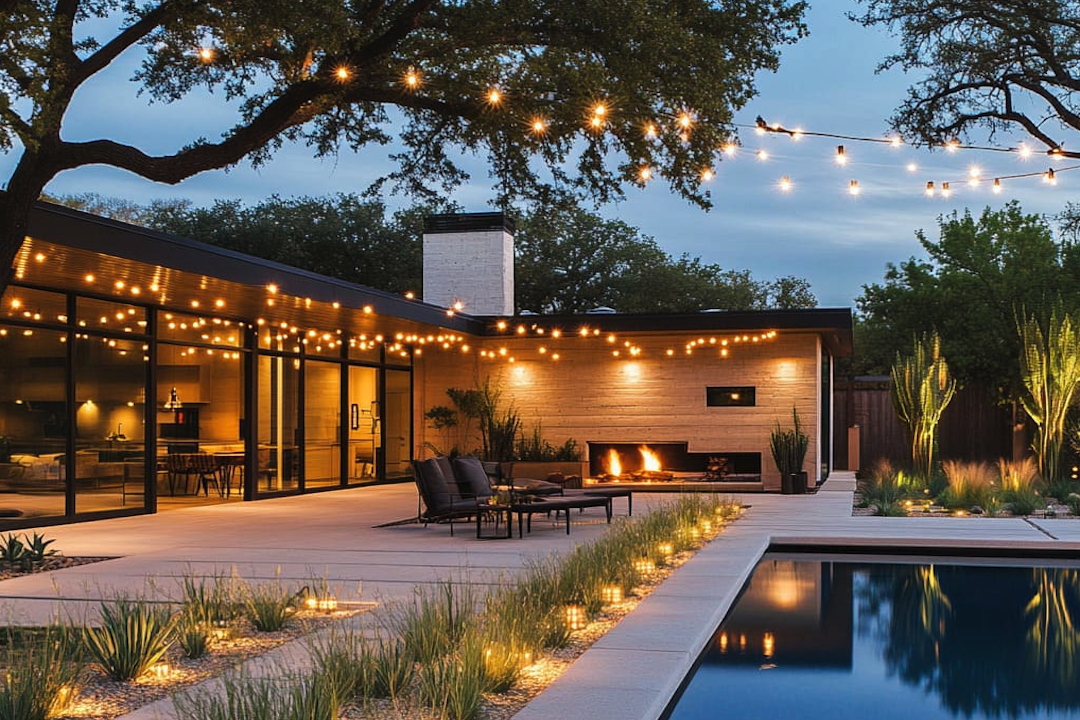
    Let’s talk about making your backyard more than just a patch of grass. We’re diving into backyard ambient lighting – the kind that transforms your outdoor space into a cozy, inviting spot after the sun goes down. Think less “party lights” and more “relaxing retreat.” It’s about creating a mood, making your yard functional and beautiful for those evening hours.

    The Magic of Ambient Lighting: Beyond Just Seeing

    So, what exactly is ambient lighting Yigolighting for your backyard? It’s not about floodlights that turn your lawn into a sports stadium. Instead, it’s about subtle, layered illumination that enhances your existing space. It draws attention to key features, creates welcoming pathways, and most importantly, sets a relaxing, enjoyable atmosphere. It’s the difference between a dark void and an extension of your living room. Think soft glows, gentle uplighting, and strategically placed accents.

    Planning Your Outdoor Lighting Strategy

    Before you start buying up every string light you see, a little planning goes a long way. Think about how you use your backyard. Do you dine al fresco? Relax with a book? Entertain friends? Your lighting should support these activities.

    Functionality First: Lighting What Matters

    Every outdoor space has areas that need to be illuminated for practical reasons. This isn’t about making things pretty; it’s about safety and usability.

    Pathway to Perfection: Illuminating Walkways

    Nobody wants to stumble in the dark. Landscape path lights are your best friend here. They are typically low to the ground and cast a soft downward glow, clearly marking your garden paths, walkways, and even the steps to your deck.

    • Low-Voltage Options: These are incredibly popular for a reason. They’re safe, energy-efficient, and easy to install yourself if you’re feeling handy.
    • Solar-Powered Paths: For a more sustainable and DIY-friendly approach, solar path lights are a great option, though their brightness can vary.
    • Consider the Spread: Think about how wide the light spreads. You want enough illumination to see, but not so much that it’s glaring.
    Step-by-Step Safety: Lighting Stairs and Levels

    If your yard has different levels or stairs, lighting them is crucial for preventing trips and falls.

    • Recessed Stair Lights: These are subtle, built directly into the risers of your steps, providing a clean and modern look.
    • Post Lights: If you have railings, small lights can be integrated into the posts for a guiding glow.
    • Spotlights for Drops: For significant drops or changes in elevation, a well-placed spotlight on a nearby tree or post can highlight the hazard.
    Entrance Enhancement: Lighting Your Front Door and Gates

    Your entryway is the first impression. Ambient lighting can make it welcoming and secure.

    • Wall Sconces: Classic and effective, sconces flank your door to provide good visibility and a warm greeting.
    • Overhead Fixtures: A stylish pendant or ceiling fixture can add a decorative element while providing light.
    • Welcome Lighting: Consider a subtle uplight on a house number or a small lantern near the door.

    Defining Your Zones: Creating Distinct Areas

    Your backyard likely has different functional areas. Lighting can help define these and make them feel more intentional.

    The Dining and Entertaining Hub: Setting the Mood for Gatherings

    This is where ambient lighting truly shines. You want a warm, inviting glow that encourages lingering and conversation.

    • String Lights/Fairy Lights: These are the perennial favorites for a reason. Hung over a patio, pergola, or deck, they instantly create a festive yet intimate atmosphere.
    • Lanterns: Freestanding or hanging lanterns, whether electric or battery-operated, add a touch of romance and ambiance.
    • Uplighting for Structures: If you have a covered patio or pergola, uplighting the beams can add a sense of depth and sophistication.
    • Dimmable Fixtures: This is key for entertaining. Being able to adjust the brightness allows you to shift from a brighter setting for food prep to a softer glow for relaxed conversation.
    The Relaxation Station: Crafting a Cozy Nook

    Whether it’s a comfy chair on the deck or a secluded bench, this area deserves its own special lighting.

    • Task Lighting for Reading: A small, adjustable spotlight or a string of fairy lights draped nearby can provide enough light for a book without being overwhelming.
    • Surround Luminescence: Think about how to subtly illuminate the area around your seating. A few strategically placed uplights on nearby plants can create a peaceful backdrop.
    • Warm White Bulbs: Opt for bulbs with a warm color temperature (around 2700K) to foster a sense of calm.
    Highlighting Features: Drawing Attention to the Stars of Your Yard

    What are the focal points of your backyard? A beautiful tree, a water feature, a sculpture? Lighting can make them pop.

    • Uplighting Trees: This is one of the most dramatic and beautiful ways to light a yard. Small spotlights placed at the base of trees and directed upwards can reveal their texture and form.
    • Silhouetting: Backlighting a shrub or interesting plant can create a striking silhouette against a lit background.
    • Water Feature Magic: Submersible lights in ponds or fountains can create mesmerizing reflections and movement.
    • Accent Lights for Art and Structures: Spotlights can highlight garden sculptures, unique architectural elements, or even a beautifully aged stone wall.

    Types of Ambient Lighting to Consider

    Now that you know what you want to light, let’s look at the how. There’s a variety of lighting types, each with its own strengths.

    The Allure of Low-Voltage Lighting

    This is often the workhorse of backyard ambient lighting. It’s versatile, relatively safe, and can be quite elegant.

    • How it Works: Low-voltage systems use a transformer to step down the typical household voltage to a safer level (usually 12V or 24V). This makes them DIY-friendly.
    • Components: You’ll need a transformer, wire, local (small fixtures), and connectors.
    • Fixture Variety: From subtle path lights and spotlights to decorative hanging lanterns, the options are vast.
    • Placement Strategy: Think in terms of layers and aiming. For instance, a spotlight on a tree should be aimed upwards, while a path light should be aimed downwards.

    The Charm of Solar-Powered Solutions

    For the eco-conscious and those who prefer minimal wiring, solar is a fantastic option.

    • Pros: No wires means easy installation and no increase in your electricity bill. They’re also generally budget-friendly.
    • Cons: Brightness and duration can be inconsistent, especially on cloudy days or in areas with limited sunlight. The quality of solar panels and batteries varies significantly between products.
    • Best Uses: Great for accent lighting, marking edges, or areas where running wires would be difficult. Many solar stake lights are perfect for lining gardens and paths.
    • Maintenance: Keep the solar panels clean for optimal performance.

    The Cozy Glow of String Lights and Lanterns

    These are the go-to for creating that magical, inviting atmosphere.

    • String Lights (Festoon Lights/Bistro Lights): These are your best bet for covering larger areas like patios or pergolas.
    • LED vs. Incandescent: LED is the clear winner here – they use much less energy and last significantly longer.
    • Bulb Style: From classic Edison bulbs to globe lights, the style of the bulbs can dramatically impact the mood.
    • Placement: Drape them between structures, along fences, or even in trees.
    • Lanterns: Lanterns offer a more contained and decorative light.
    • Types: Battery-operated LED lanterns, solar-powered ones, and some plug-in varieties offer flexibility.
    • Placement: Great for tables, porches, or strategically placed on the ground.

    The Sophistication of Uplighting and Spotlighting

    These are your tools for drama and highlighting architectural or natural features.

    • Uplighting: Placing lights at the base of objects and directing them upwards.
    • Applications: Trees, large shrubs, textured walls, pergolas.
    • Fixture Choice: Small, ground-mounted spotlights are common.
    • Spotlighting: Focusing a beam of light on a specific object.
    • Applications: Garden sculptures, unique plants, house numbers.
    • Adjustability: Look for fixtures that allow you to adjust the beam angle and direction.

    Smart Lighting and Energy Efficiency

    Modern lighting offers more than just light; it offers control and efficiency.

    The Power of Dimmers

    This is arguably the most important feature for creating ambient lighting.

    • Mood Control: Dimmers allow you to instantly adjust the intensity of your lights, creating different moods for various occasions. Brighten for practical tasks, dim for relaxation.
    • Energy Savings: Dimming lights also reduces energy consumption.
    • Types: You can find dimmers for low-voltage systems, string lights, and even some standalone battery-powered options. Look for dimmable bulbs specifically.

    Timer and Sensor Options

    Automating your lighting adds convenience and saves energy.

    • Timers: Set your lights to turn on and off at specific times. This is great for security as well as ambiance. Imagine your garden gently illuminating as dusk falls.
    • Photocells (Dusk-to-Dawn Sensors): These automatically turn lights on when it gets dark and off when it gets light. They are a simple and effective way to manage your outdoor lighting.
    • Motion Sensors: While sometimes more suited for security, subtle motion sensors can add a touch of magic, like a path lighting up as you approach, then softly dimming behind you.

    Choosing Energy-Efficient Bulbs

    The type of bulb you choose makes a big difference in energy use and longevity.

    • LED Dominance: For virtually every application, LED bulbs are the way to go. They use a fraction of the energy of incandescent bulbs, last much longer, and produce less heat.
    • Color Temperature: Look for “warm white” (around 2700K to 3000K) for a cozy, inviting glow. Cooler temperatures can feel harsh outdoors.
    • Lumens: This measures brightness. For ambient lighting, you generally want lower lumen counts. Avoid overly bright bulbs.

    Installation Tips for a Seamless Look

    Getting the installation right means the difference between a professional finish and something that looks a bit “DIY.”

    Prioritizing Safety During Installation

    When working with electricity, even low-voltage, safety is paramount.

    • Turn Off Power: Always ensure power is turned off at the breaker before working with any wiring.
    • Low-Voltage Trust: Low-voltage systems are much safer, but still require care.
    • Waterproofing Connections: Use waterproof connectors and junction boxes to protect against the elements.
    • Burying Wires Appropriately: Follow manufacturer recommendations for burying low-voltage wire to protect it from damage.

    Concealing Wires and Fixtures

    The goal is to showcase the light, not the hardware.

    • Wire Management: For low-voltage wire, you can often bury it just a few inches deep using a trenching tool or spade. It can also be run along fences or deck edges, secured with staples designed for landscape wire.
    • Fixture Placement: Position fixtures so they blend into the landscape. For uplighting, try to tuck them behind or next to the object being lit.
    • Cable Ties: Use discreetly colored cable ties to secure wires along fences or trellises.
    • Outdoor-Rated Cords: If you’re using plug-in lights, ensure all cords and connections are rated for outdoor use and follow any guidelines about length and outdoor placement.

    When to Call a Professional

    While many aspects of ambient lighting are DIY-friendly, there are times when calling in the pros makes sense.

    • Complex Electrical Work: If your project involves connecting to your home’s main electrical system or if you’re unsure about any electrical aspects, a qualified electrician is a must.
    • Extensive Landscape Changes: If you’re doing major landscaping at the same time, a landscape lighting designer can integrate the lighting seamlessly.
    • Large or Multi-Zone Systems: For very large yards or systems with multiple complex zones and controls, professional design and installation can ensure optimal performance and a polished look.
    • Peace of Mind: Sometimes, paying for professional installation simply offers peace of mind that the job is done correctly and safely.

    Creating a modern outdoor oasis with backyard ambient lighting is less about overwhelming brightness and more about thoughtful illumination that enhances your space and your lifestyle. By planning, choosing the right fixtures, and paying attention to details, you can transform your backyard into a magical retreat, ready for evening enjoyment.

  • Soft Glow: Opal Glass Wall Sconce Lighting for Hallways

    Soft Glow: Opal Glass Wall Sconce Lighting for Hallways

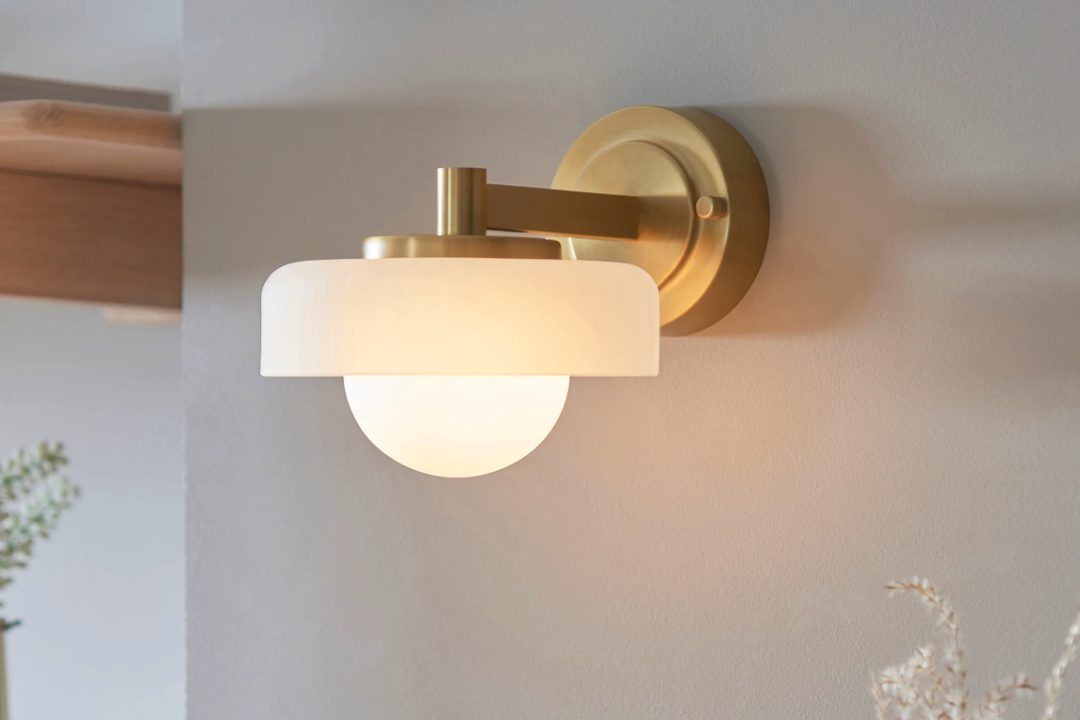
    Opal glass wall sconces can be a great choice for hallway lighting because they offer a diffused, even light that’s easy on the eyes. This type of sconce helps to eliminate harsh shadows and glare, making a hallway feel more inviting and less like a sterile corridor. The opaque nature of the opal glass means you get a gentle wash of light rather than a direct beam, which is often preferable in transitional spaces like hallways where you don’t need intense task lighting.

    Opal glass, also known as milk glass, is designed to scatter light. This diffusion is key in hallways, preventing bright spots and dark corners. Unlike clear glass, which can create glare or highlight Yigolighting imperfections on walls, opal glass softens the light, making the space feel more continuous and less fragmented.

    Eliminating Harsh Shadows

    One of the biggest advantages of opal glass is its ability to minimize shadows. Hallways are often narrow and can feel enclosed, and strong shadows from direct lighting can exacerbate this. Opal glass sconces create a much more uniform illumination, reducing the stark contrast between light and dark areas. This makes the hallway feel more open and less cramped.

    Reducing Glare

    Direct, exposed bulbs can be unpleasant, especially in a hallway where you’re moving through the space. With opal glass, you’re looking at a soft, luminous surface rather than a bright point of light. This significantly cuts down on glare, which is important for comfort and safety, particularly if you’re navigating the hallway at night and your eyes haven’t fully adjusted to brighter light.

    Aesthetic Versatility

    Opal glass has a timeless appeal. It’s not a flashy material, which means it can blend with various interior styles without clashing. Its understated character allows it to complement both traditional and modern decor.

    Choosing the Right Size and Placement

    Getting the size and placement right for your sconces is crucial for both their looks and their function. Too small, and they disappear; too large, and they can dominate the space. Incorrect placement can lead to uneven lighting or an awkward visual.

    Sizing Up Your Sconces

    Consider the scale of your hallway. A longer or wider hallway might benefit from larger sconces or more of them spaced out. In a narrow, shorter hallway, smaller, more compact fixtures are usually a better fit. You want the sconces to feel proportionate to the wall they’re mounted on and the overall dimensions of the hallway. An overly large sconce in a tiny hallway can feel overwhelming, while a tiny sconce in a grand hallway can look lost.

    Optimal Mounting Height

    A general rule of thumb for sconce height is about 60 to 70 inches from the floor to the center of the fixture. This places the light sources above eye level for most people, further reducing glare. However, this can vary based on ceiling height and the specific design of the sconce. If you have particularly high ceilings, you might go a bit higher. If the sconce casts light both upwards and downwards, ensure the upward light isn’t hitting the ceiling awkwardly early, and the downward light isn’t too close to the floor, creating an uneven pool.

    Spacing Between Sconces

    For effective and even illumination in longer hallways, sconces are typically spaced 6 to 8 feet apart. This spacing helps to create a layered light effect, preventing dark spots in between fixtures. If your hallway is shorter, you might only need two sconces, one at each end, or even just one if it’s very short. The goal is to avoid overlighting or underlighting the space.

    Design Styles and Finishes

    Opal glass sconces come in a wide array of designs, from minimalist to more decorative, with various metal finishes to complement your existing hardware and decor.

    Modern and Minimalist Styles

    For a contemporary look, seek out simple geometric shapes. Think cylindrical, spherical, or rectangular opal glass shades paired with sleek metal bases in matte black, brushed nickel, or polished chrome. These designs emphasize clean lines and a pared-down aesthetic, fitting well with modern interior themes. The beauty of these styles lies in their simplicity and ability to blend seamlessly into a refined space.

    Traditional and Transitional Options

    If your home leans more towards classic or transitional styles, there are options that incorporate more ornate details or classic silhouettes. These might feature decorative backplates, curved arms, or fluted opal glass shades. Finishes like antique brass, oil-rubbed bronze, or aged pewter can enhance a traditional feel. The key here is not to be overly ornate, but to have subtle touches that evoke a sense of heritage without being overwhelming.

    The Impact of Metal Finishes

    The metal finish of your sconce can significantly influence its overall appearance and how it integrates into the room.

    Matte Black

    Offers a bold, contemporary contrast, particularly against lighter walls. It provides a striking graphic element.

    Brushed Nickel/Chrome

    These cool-toned finishes are versatile and popular in modern and transitional settings. They offer a clean, understated look.

    Brass/Bronze

    Warm and inviting, these finishes can add a touch of sophistication and warmth, especially in traditional or industrial-inspired spaces. They can develop a beautiful patina over time.

    Installation Considerations

    Beyond aesthetics, it’s practical to think through the installation process. This involves electrical readiness and future maintenance.

    Electrical Requirements

    Most wall sconces require standard 120-volt wiring. If you’re replacing existing fixtures, check if the wiring is already in place and in good condition. If you’re adding new sconces to a hallway that was previously unlit, you’ll likely need to consult an electrician to run new wiring and install junction boxes. This ensures safety and compliance with local building codes. It’s a key first step that needs to be properly assessed.

    Dimmer Compatibility

    For hallways, especially where you might want ambient light at night, dimmer switches are a useful addition. Ensure the bulbs you plan to use are dimmable and that your electrical system can support a dimmer switch. This allows you to adjust the light intensity to suit different moods or times of day, enhancing comfort and energy efficiency.

    Maintenance and Bulb Access

    Think about how easy it will be to change bulbs. Some sconces have shades that are simple to remove, while others might require tools or more intricate manipulation. Opal glass tends to be easier to keep clean than clear glass, as dust and smudges are less noticeable, but periodic wiping will still be necessary to maintain its soft glow. Check the bulb type required (e.g., E26, G9) and its availability.

    Energy Efficiency

    Lighting can be a significant part of your home’s energy consumption. Choosing energy-efficient options for your hallway sconces can reduce your electricity bills and environmental footprint.

    LED Bulbs

    Light Emitting Diodes (LEDs) are the most energy-efficient choice for virtually any lighting fixture. They consume significantly less power than traditional incandescent bulbs and have a much longer lifespan. This means fewer bulb changes and lower energy costs over time. When used with opal glass, LEDs can create a very even and pleasant light.

    Lumens and Wattage

    Instead of focusing on wattage (which indicates power consumption), pay attention to lumens, which measure brightness. For hallway sconces, you typically don’t need a lot of lumens per fixture, as you’re aiming for ambient light rather than intense illumination. A bulb in the range of 300-500 lumens per sconce is often adequate, depending on the number of sconces and the hallway size.

    Color Temperature (Kelvin)

    The color temperature of your LED bulbs will affect the atmosphere of your hallway.

    Warm White (2700K-3000K)

    This creates a cozy, inviting atmosphere, similar to traditional incandescent bulbs. It’s a popular choice for homes and can make a hallway feel welcoming.

    Neutral White (3500K-4000K)

    This appears less yellow than warm white and can feel more crisp and bright without being stark. It’s a good middle-ground if you want clarity but still some warmth.

    Cool White (5000K+)

    This white light is more akin to daylight and can feel more functional or modern. It can make spaces appear brighter and is often used in work areas, but for a hallway, it might feel a bit too clinical. It’s generally less preferred for creating a cozy residential atmosphere.

    Motion Sensors

    For optimal energy savings in a hallway, consider pairing your sconces with motion sensor switches. These turn the lights on when someone enters the hallway and off after a period of inactivity. This is particularly useful for reducing energy waste in areas that aren’t constantly occupied. It also adds a layer of convenience, eliminating the need to fumble for light switches in the dark.

    In summary, opal glass wall sconces provide a practical and aesthetically pleasing lighting solution for hallways. Their ability to diffuse light, reduce glare, and minimize shadows creates a comfortable and inviting atmosphere. By paying attention to size, placement, design, and energy efficiency, you can select fixtures that not only illuminate your hallway effectively but also enhance your home’s interior design.

  • Modern Apartment Style: Black Metal Floor Lamp Reading Corner

    Modern Apartment Style: Black Metal Floor Lamp Reading Corner

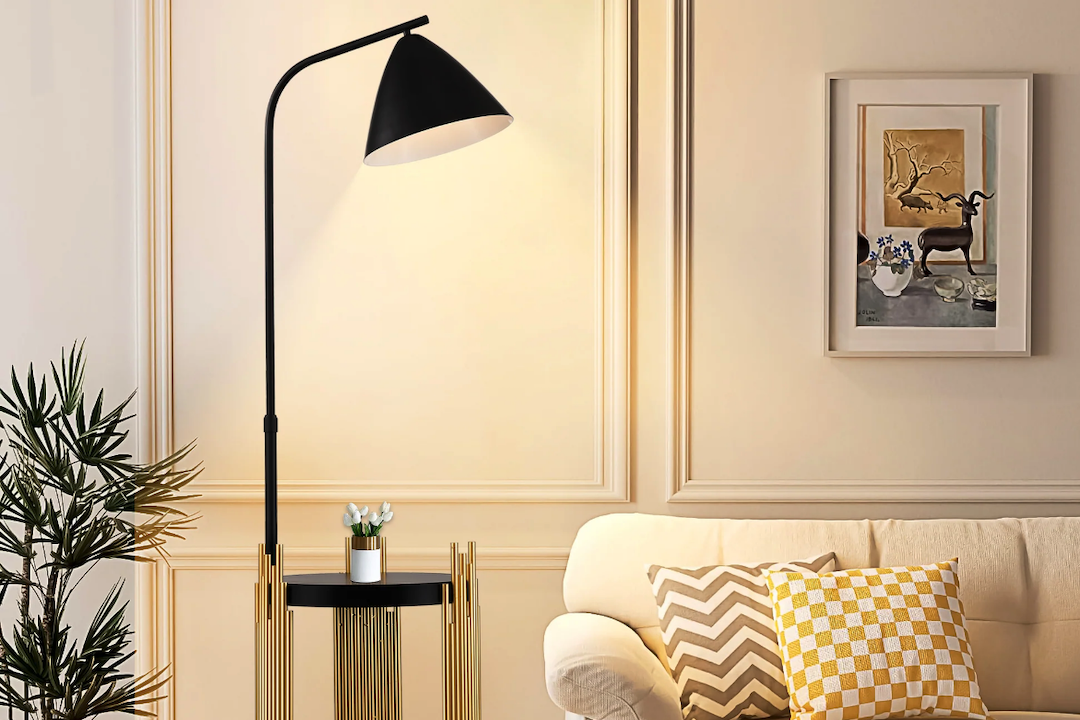
    So, you’re thinking about a black metal floor lamp reading corner for your modern apartment? It’s a great idea, and thankfully, it’s not as complicated as you might think to pull off. The core idea is simple: use a sleek black metal floor lamp to create a dedicated, inviting spot for reading in your contemporary living space. This isn’t about reinventing the wheel; it’s about smart, functional design that adds both style and purpose.

    The Core Concept: Function Meets Form

    At its heart, a black metal floor lamp Yigolighting reading corner is about pairing a utilitarian object – the lamp – with a specific activity – reading – and placing them in a way that enhances your apartment’s overall modern aesthetic. Black metal is a classic choice for a reason: it’s versatile, sophisticated, and holds its own without feeling overwhelming. It’s a workhorse material that fits seamlessly into a modern context.

    Why Black Metal?

    Black metal, particularly in its brushed or matte finishes, has a timeless appeal that aligns perfectly with modern design principles. It avoids the flashiness of some materials and offers a grounding element. Think about it: it’s durable, easy to clean, and doesn’t scream for attention, which is often the goal in modern interiors where subtlety is key.

    • Durability and Longevity: Black metal lamps are built to last. They aren’t prone to chipping or fading like some other finishes, making them a sensible investment.
    • Versatility in Finishes: Beyond just plain “black,” you’ll find variations like matte black, brushed nickel with black accents, or even hammered black metal. These subtle differences can impact the overall feel of your reading corner.
    • Contrast and Definition: In a neutral modern palette, black metal provides a welcome contrast. It can anchor a space and give it a sense of definition.

    Where to Place Your Reading Corner

    The magic of a reading corner is that it doesn’t require a lot of square footage. It’s about carving out a functional zone.

    Identifying the Ideal Spot

    You don’t need a sprawling den for this. Even a small alcove or a neglected nook can be transformed. The key is to find a place that feels somewhat removed from the main thoroughfare of your apartment, offering a sense of privacy for focused reading.

    • Edge of the Living Room: This is often the most practical spot. If you have a bit of space near a window or a comfortable armchair, it’s a natural fit.
    • Bedroom Nook: If your bedroom has a spare corner that isn’t being used for anything else, it can become a serene reading sanctuary.
    • Under a Window: Natural light is a reader’s best friend. Placing your corner near a window not only provides ambient light but also a pleasant view.
    • Corner of a Larger Room: If your apartment is open-plan, designating a corner with furniture and the lamp can create a visual separation and a defined purpose.

    Considerations for Lighting and Flow

    Don’t just plop a lamp down anywhere. Think about how it will interact with the rest of your space.

    • Avoid High-Traffic Areas: You don’t want a lamp that will be constantly bumped or in the way.
    • Proximity to Outlets: This sounds obvious, but it’s crucial. Consider how many extension cords you want on display.
    • Maximizing Natural Light: If possible, position your reading spot to benefit from daylight. The lamp will then supplement this, not replace it entirely.

    Choosing the Right Black Metal Floor Lamp

    This is where the “modern” aspect really comes into play. The lamp itself is the star, so selecting the right one is key.

    Styles that Emphasize Modern Aesthetics

    Modern design favors clean lines, simple forms, and a lack of unnecessary ornamentation.

    • Architectural Minimalist: Think simple poles, a slender base, and a straightforward shade. These lamps often look like sculptural elements themselves.
    • Articulated and Adjustable: Many modern floor lamps feature articulating arms or adjustable heads, allowing you to direct light precisely where you need it. This is fantastic for practical reading.
    • Arc Lamps: These have a distinctive curved design that can extend over your seating, providing light without needing to be directly beside a chair. They’re a statement piece and highly functional.
    • Task Lamps with a Modern Twist: While typically desk lamps, some floor lamp versions offer a similar focused beam and adjustable neck, perfect for precise reading.

    Beyond the Basic Black

    The material and finish are important. Black metal isn’t a monolithic entity.

    • Matte Black: This is a very popular choice for a reason. It absorbs light, feels sophisticated, and doesn’t show fingerprints as easily as glossier finishes.
    • Brushed Nickel with Black Accents: Many modern lamps combine materials. Brushed nickel bases or arms with black shades or detailing can offer a subtle variation on the all-black theme.
    • Powder-Coated Black: This finish is known for its durability and smooth, even texture.
    • Hammered or Textured Black Metal: For a bit more visual interest without being ostentatious, consider lamps with subtle textures. This can add depth to the material.

    Essential Companion Pieces for Your Reading Corner

    A lamp alone doesn’t make a reading corner. You need comfortable seating and perhaps a place for your book and drink.

    The Armchair or Chaise Lounge

    This is likely the primary piece of furniture that will define your reading spot.

    • Comfort is King: No one wants to cramp their style for discomfort. Choose a chair that you can truly relax in for extended periods.
    • Scale and Proportion: Don’t overwhelm a small space with a giant armchair. Similarly, don’t let a tiny chair get lost in a large room.
    • Material Choices: For a modern apartment, consider materials like leather (real or faux), a tightly woven fabric in a neutral tone, or even a boucle for a touch of texture.
    • Built-in Functionality: Some chairs have built-in recline features or ottomans, which can be a real bonus for dedicated readers.

    The Side Table Necessity

    You need a place for your current read, your beverage, and maybe your phone.

    • Compact and Functional: Modern side tables often prioritize efficiency. Look for pieces that are just the right height for your seating and take up minimal floor space.
    • Material Harmony: Consider materials that complement your black metal lamp. Options include:
    • Wood Tones: A light or medium wood can add warmth to the metal.
    • Glass Tops: Clear or frosted glass can make a small table feel less visually imposing.
    • Metal Accents: A table with black metal legs or detailing can tie in perfectly with the lamp.
    • Nesting Tables: If you have very limited space, nesting tables can offer flexibility. Pull out the larger one when needed and tuck it away when not.

    Lighting the Way: Beyond the Floor Lamp

    While the floor lamp is central, other lighting elements can enhance the atmosphere.

    Layering Light for Ambiance

    Modern interiors often benefit from multiple light sources.

    • Ambient Lighting: This is the general light in the room. Ensure it’s not so bright that it competes with your reading lamp, but also not so dim that the whole space feels cave-like.
    • Accent Lighting (Optional): If you have artwork or plants you want to highlight near your reading corner, a small, strategically placed accent light can add another layer of interest.
    • Dimmer Switches: If your main room lighting has dimmer switches, use them to create a more intimate mood when you’re settling in to read.

    The Importance of Bulb Choice

    The light itself matters for reading comfort.

    • Color Temperature: Opt for bulbs in the warmer range (around 2700K to 3000K). This mimics natural daylight and is less harsh on the eyes, making it ideal for reading. Avoid cooler, bluer light that can feel sterile and inhibit relaxation.
    • Lumens (Brightness): You want enough lumens to illuminate your book without straining your eyes, but not so many that it’s glaring. A typical reading lamp might range from 400-800 lumens, depending on the bulb and shade.
    • LED is Your Friend: LED bulbs are energy-efficient, long-lasting, and available in a wide range of color temperatures and brightness levels. They are virtually standard for modern lighting choices.

    Finishing Touches: Softness and Personalization

    Even the most modern space benefits from warmth and personality.

    Textiles for Comfort and Style

    These elements soften the hard edges of modern design.

    • Throw Pillows: Add a couple of well-chosen throw pillows to your reading chair. They provide extra comfort and a chance to introduce a pop of color or a subtle pattern.
    • Cozy Throw Blanket: A soft throw draped over the arm of your chair or chaise lounge is incredibly inviting and practical for cooler evenings.
    • Area Rug: If your reading corner is part of a larger room, a small area rug can help define the space and add a layer of warmth underfoot. Choose a rug with a simple pattern or texture that complements your overall decor.

    Personalizing Your Sanctuary

    This is where your reading corner becomes uniquely yours.

    • Bookshelves or Etagères: Even a small shelf unit nearby can hold your current reads, a few decorative items, or a small plant.
    • Artwork: A small piece of art on the wall adjacent to your reading corner can add personality and a focal point. Keep it in line with your modern aesthetic – abstract, minimalist, or a simple graphic print.
    • Plants: A touch of greenery can breathe life into any space. A small potted plant on your side table or floor can contribute to a more serene atmosphere.
    • Charging Station Hints: While not always visible, consider how you’ll manage your devices. A discreet charging port on your side table or a small basket for electronics can keep things tidy.

    By focusing on these practical elements, you can easily create a stylish and functional black metal floor lamp reading corner that enhances your modern apartment living. It’s about making intentional choices that combine form and function, ultimately leading to a more comfortable and enjoyable home.

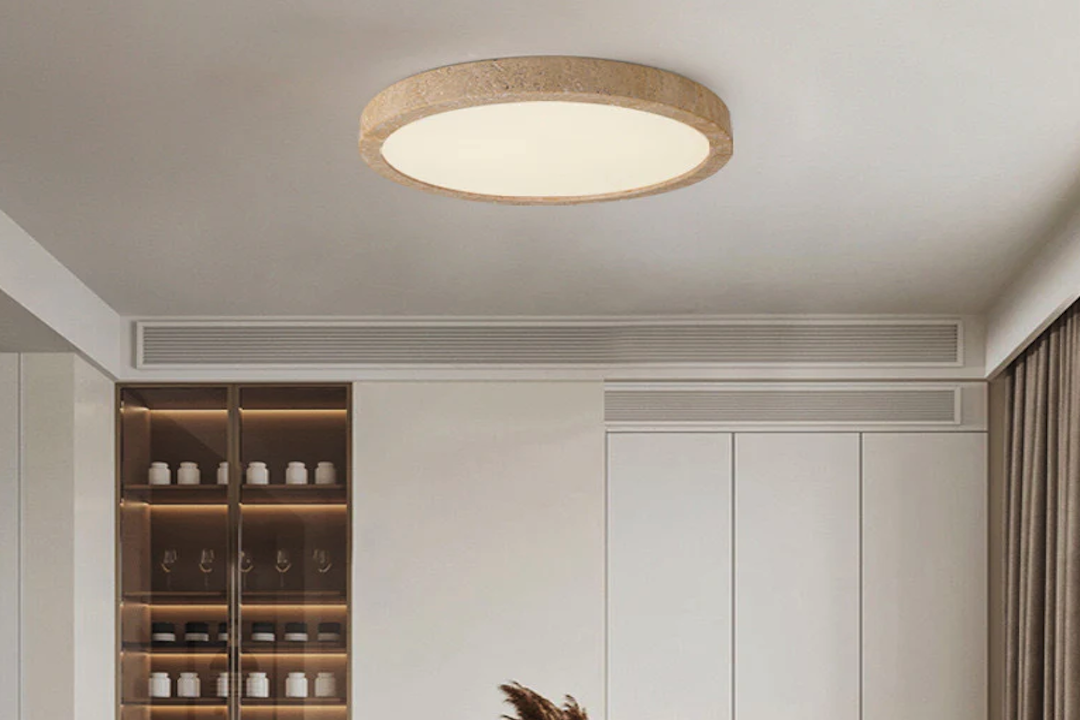
  • Natural Stone Texture Ceiling Light for Minimalist Home Aesthetic

    Natural Stone Texture Ceiling Light for Minimalist Home Aesthetic

    So, you’re drawn to that minimalist vibe and wondering if a natural stone texture ceiling light can actually fit in? Absolutely. It’s not just possible, it’s a smart move for adding a touch of grounded elegance without cluttering your space. Think of it as a subtle statement piece that brings the quiet strength of natural materials into your thoughtfully curated, uncluttered home.

    Why Natural Stone Texture Works in a Minimalist Home

    Minimalism is all about intentionality. Every piece should serve a purpose and contribute to the overall feeling of calm and order. Natural stone texture, with its inherent organic qualities, offers a refreshing counterpoint to the clean lines and neutral palettes often found in minimalist interiors. It’s not about adding more “stuff,” but about choosing materials that have a story and a sense of permanence.

    The Appeal of Texture

    In a minimalist design, where excessive ornamentation is avoided, texture becomes a crucial element. Instead of relying on bold colors or intricate patterns, a natural stone texture introduces visual and tactile interest. This can be anything from the subtle veining of marble to the rougher, more elemental feel of slate or granite. It engages the senses in a quiet, sophisticated way that amplifies the feeling of a well-composed space.

    Bringing the Outdoors In

    Minimalist design often embraces a connection to nature. Natural stone seamlessly bridges the gap between indoor and outdoor environments. A ceiling light Yigolighting with this kind of texture can evoke the feeling of being in a serene landscape, bringing a sense of grounding and tranquility to your living area. It’s a way to incorporate organic elements without the need for plants or oversized natural decor.

    Durability and Timelessness

    A hallmark of minimalist philosophy is investing in quality pieces that last. Natural stone, by its very nature, is incredibly durable and ages beautifully. This translates directly to a ceiling light. You’re not just buying a light fixture; you’re acquiring an object that will likely outlast fleeting trends and continue to enhance your home for years to come.

    Practical Considerations for Choosing Your Light

    When you’re aiming for a minimalist aesthetic, even your lighting choices need to be strategic. A natural stone texture ceiling light is no exception. It’s about finding that perfect balance between form, function, and the overall mood you want to create.

    Material: What Kind of “Stone” Are We Talking About?

    “Natural stone texture” can encompass a range of materials, and it’s important to understand the differences.

    Real Stone vs. Stone-Effect Materials
    • Genuine Stone: This is the real deal – slabs or pieces of actual rock. Think marble, granite, slate, or travertine. When used for a lampshade or fixture, it offers unparalleled authenticity and a unique grain pattern. However, it can be heavier and more expensive.
    • Stone-Effect Materials: These are often high-quality composites, resins, or even textured glass that mimic the look and feel of natural stone. They can be lighter, more affordable, and offer more flexibility in terms of shape and design. The key is to look for realistic finishes that don’t feel artificial.
    Veining and Pattern Variation
    • Subtle veining: For a truly minimalist look, opt for stone textures with subtle, understated veins. Overly dramatic or chaotic patterns can detract from the clean aesthetic.
    • Uniformity: If you prefer a more consistent look, some engineered stone-effect materials can offer greater uniformity than natural stone, where each piece is truly unique.

    Size and Scale: Less is Often More (But Not Always)

    The scale of your ceiling light is crucial in a minimalist space. An oversized fixture can overwhelm a small room, while a too-small one might look lost.

    Determining the Right Size for Your Space
    • Room dimensions: A good rule of thumb is to consider the length and width of your room in feet. Add those numbers together, and that sum in inches can be a starting point for the diameter of your largest ceiling fixture.
    • Ceiling height: Taller ceilings can accommodate slightly larger or more visually substantial fixtures, while lower ceilings call for more streamlined designs that don’t hang too low.
    The Impact of Shape
    • Geometric forms: Simple geometric shapes like cylinders, spheres, or clean-lined rectangles often complement minimalist aesthetics best.
    • Organic shapes: Some natural stone textures lend themselves to more organic, flowing shapes. If you choose this, ensure the overall form remains clean and uncluttered.

    Light Quality: How it Illuminates Your Space

    The actual light emitted by the fixture is just as important as its appearance.

    Warmth and Color Temperature
    • Warm white (2700K-3000K): This is generally preferred for living spaces as it creates a cozy, inviting atmosphere. Stone textures can sometimes diffuse light, so a warmer tone helps prevent the space from feeling sterile.
    • Neutral white (3500K-4000K): This can work in kitchens or bathrooms where a brighter, more task-oriented light is needed, but it’s important to ensure the stone texture doesn’t make it feel too clinical.
    Diffusion and Glare
    • Satin or frosted finishes: These help to soften the light and prevent harsh glare, which is essential for maintaining a calming minimalist environment.
    • Opaque stone: If the stone itself is quite opaque, consider the design to ensure adequate light distribution rather than just a dim glow. Many designs incorporate a secondary diffuser.

    Integrating Stone Texture Lights into Different Minimalist Styles

    Minimalism isn’t a one-size-fits-all approach. Your natural stone texture ceiling light can be adapted to various interpretations of the style.

    Scandinavian Minimalism

    This style often features a light, airy feel, with an emphasis on natural materials and functional simplicity.

    Light and Airy Stone Options
    • Light-colored marbles: Think Carrara or Calacatta with subtle veining.
    • Travertine: Its earthy tones and characteristic pitted texture can add warmth.
    • Textured concrete with stone aggregate: This offers a modern, industrial-leaning take.
    Soft, Diffused Light

    Opt for fixtures that cast a gentle, ambient light. The stone texture should enhance, not overpower, the inherent brightness of Scandinavian design.

    Japandi (Japanese-Scandinavian Fusion)

    This style blends the serenity of Japanese design with the warmth of Scandinavian living. It’s about harmony, simplicity, and natural elements.

    Earthy and Muted Tones
    • Slate: Its deep, rich tones can add a touch of drama without being overwhelming.
    • Basalt: Known for its dark, subtle texture.
    • Textured ceramic with a matte finish: Mimicking the look of aged stone.
    Emphasis on Craftsmanship and Natural Forms

    Look for lights where the stone texture feels artisanal and integrated into a simple, functional form. The connection to nature is paramount here.

    Industrial Minimalism

    Characterized by raw materials, exposed elements, and a utilitarian feel.

    Rougher, More Elemental Textures
    • Unpolished granite: With its flecked appearance and robust feel.
    • Dark, textured stones: Like honed black granite or dark slate.
    • Concrete with visible stone chips: Emphasizing the raw construction.
    Stronger Light and Angular Designs

    While still minimalist, industrial spaces can handle more visually substantial fixtures. The stone texture here should feel grounded and

    unpretentious.

    Placement Strategies for Maximum Impact

    Where you place your natural stone texture ceiling light matters, especially in a minimalist home where every element is considered.

    Central Fixture: The Statement Piece

    In a living room or dining area, a thoughtfully chosen natural stone texture ceiling light can serve as the primary focal point.

    Defining the Space
    • Over a dining table: It creates a focal point and enhances the dining experience.
    • In the center of a living room: It can anchor the furniture arrangement.
    Balancing with Simplicity

    Ensure other decorative elements in the room are kept to a minimum to allow the light fixture to truly shine. The stone’s natural pattern takes center stage.

    Accent Lighting: Adding Subtle Layers

    Beyond the main overhead light, consider smaller accent fixtures.

    Highlighting Architectural Features
    • Smaller pendant lights: With stone textures, hung in a cluster or line over a kitchen island or a console table.
    • Recessed spotlights: While not stone, their minimalist nature can complement the texture of the main fixture.
    Creating Ambiance

    These smaller lights add depth and layers to the lighting scheme, preventing the minimalist space from feeling flat.

    In Unexpected Areas: Elevating the Mundane

    Don’t limit your stone texture lights to the main living areas.

    Hallways and Entryways
    • A single, striking pendant: Can transform a simple hallway into a welcoming statement.
    • Adding warmth to a transition space: Creates a sense of arrival.
    Bedrooms
    • Softer, more ambient stone textures: Can contribute to a serene bedroom retreat.
    • Consider dimmable options: For mood control.

    Maintenance and Longevity: Keeping it Pristine

    The beauty of natural stone is its durability, but a little care goes a long way in keeping your ceiling light looking its best.

    Cleaning Your Stone Texture Light

    The cleaning method will depend on whether you have real stone or a stone-effect material.

    For Real Stone
    • Gentle dusting: A soft, dry microfiber cloth is usually sufficient for regular cleaning.
    • Mild soap and water: For tougher smudges, a small amount of pH-neutral dish soap mixed with water can be used. Apply with a soft cloth and rinse with a clean, damp cloth.
    • Avoid harsh chemicals: Acids, abrasive cleaners, or bleach can damage the stone’s surface and sealant (if applicable).
    For Stone-Effect Materials
    • Follow manufacturer’s instructions: These materials are often designed for easier care.
    • Soft cloths and mild cleaners: Generally safe, but always test in an inconspicuous area first.

    Protecting the Finish

    • Sealing (for porous stones): Some natural stones, like marble or travertine, are porous and may benefit from periodic sealing to prevent staining. This is a task for a professional or requires careful DIY application. Consult with the light fixture manufacturer or a stone specialist.
    • Avoid direct impact: While durable, some stone textures can be chipped or scratched with sharp impacts.

    Bulb Replacement and Safety

    • LED bulbs: These are energy-efficient, long-lasting, and produce less heat, which is beneficial for any light fixture, especially those with delicate materials.
    • Check wattage limits: Always adhere to the recommended bulb wattage specified by the manufacturer to prevent overheating.
    • Turn off power: Always ensure the power is switched off at the breaker before attempting to change a bulb or perform any cleaning or maintenance on your ceiling light.

    By thoughtfully incorporating a natural stone texture ceiling light, you can introduce a unique element of texture, grounding, and timeless beauty into your minimalist home, proving that sometimes, the most impactful statements are the quietest ones.

  • Soft Fabric Drum Ceiling Lamp: A Cozy Lighting Solution

    Soft Fabric Drum Ceiling Lamp: A Cozy Lighting Solution

    Looking for a way to add some warmth and diffused light to your space? A soft fabric drum ceiling lamp might be just what you need. These fixtures offer a gentler alternative to exposed bulbs or harsh downlights, creating a more inviting atmosphere without being overly decorative or demanding attention.

    It’s pretty much in the name. “Soft fabric” refers to the shade material – typically linen, cotton, or a similar textile, often stretched over a frame. “Drum” describes its cylindrical or slightly tapered shape. Combined, you get a lighting Condepot fixture that distributes light evenly and warmly, thanks to the fabric’s filtering properties.

    The Material Matters

    The type of fabric plays a significant role in how the light appears.

    • Linen: Offers a natural, slightly textured look, often allowing a subtle play of light and shadow on the shade itself. It tends to diffuse light effectively while maintaining a sense of organic charm.
    • Cotton: Can range from smooth and crisp to more textured weaves. It’s versatile and generally provides a clean, diffused light.
    • Synthetics (e.g., polyester blends): Often chosen for their durability, easy cleaning, and consistent appearance. They can mimic the look of natural fibers effectively.
    • Silk/Faux Silk: While less common for drum shades, these can add a touch of subtle sheen and elegance, though they might be less opaque and allow more light through.

    Frame and Diffuser

    Beyond the fabric, the internal structure and any diffusers contribute to the lamp’s effect.

    • Metal Frame: Provides the drum’s shape. This is typically hidden by the fabric.
    • Bottom Diffuser: Many fabric drum lamps include a translucent acrylic or frosted glass diffuser at the bottom. This piece is crucial for preventing glare from the bulbs and ensuring truly uniform light distribution downwards. Without it, you’d see the bulb directly, which defeats the purpose of “soft” light.

    Why Choose a Fabric Drum Ceiling Lamp?

    There are several practical reasons why these lamps are a popular choice for various rooms. They offer a good balance of function and understated style.

    Gentle, Diffused Illumination

    This is perhaps their biggest selling point. The fabric shade acts as a natural diffuser, softening the light emitted from the bulbs within.

    • Reduces Glare: Unlike fixtures with exposed bulbs, a fabric drum lamp eliminates harsh glare, which can be uncomfortable for your eyes. This is particularly beneficial in rooms where you spend a lot of time, like living rooms or bedrooms.
    • Evens Out Light: The light is spread across the entire surface of the shade, creating a more uniform and consistent ambient glow throughout the space. This avoids hot spots of light and dark shadows.
    • Creates Ambiance: The soft, warm light contributes to a relaxing and inviting atmosphere, making a room feel more comfortable and less stark.

    Versatile Aesthetics

    Despite their simple form, fabric drum lamps are surprisingly adaptable to a wide range of interior styles.

    • Transitional: They bridge the gap between traditional and modern, making them suitable for homes that aren’t strictly one style or another.
    • Modern/Contemporary: Their clean lines and understated design fit well into minimalist or contemporary settings, where they provide warmth without clutter.
    • Bohemian/Eclectic: Natural fabric textures can complement earthy tones and layered decor.
    • Scandinavian: The focus on natural materials, simple forms, and soft lighting aligns perfectly with Scandinavian aesthetics.

    Practicality and Maintenance

    These lamps aren’t just about looks; they’re also designed for everyday living.

    • Dust Accumulation: Like any fabric item, they will collect dust. Regular, gentle vacuuming with an upholstery attachment or a quick wipe with a clean, dry cloth is usually sufficient for routine cleaning.
    • Spot Cleaning: For minor marks, a slightly damp cloth with a mild soap solution can be used, but always test on an inconspicuous area first to ensure the fabric won’t be discolored. Avoid oversaturating the fabric.
    • Bulb Access: Most designs offer relatively easy access to change bulbs, often by removing the bottom diffuser or a securing ring.

    Where Do They Work Best?

    Fabric drum ceiling lamps are suitable for various rooms, thanks to their adaptable nature and light quality.

    Living Rooms

    In a living room, they can serve as the primary source of ambient light, creating a comfortable space for relaxation or entertaining.

    • Central Fixture: A larger drum lamp can be the focal point, providing overall illumination.
    • Layered Lighting: They pair well with other lighting types, such as table lamps and floor lamps, to create a multi-layered lighting scheme for different moods and tasks.

    Bedrooms

    The soft, diffused light is ideal for bedrooms, promoting a calm and restful environment.

    • Main Light Source: Replaces harsher overhead lights with a warmer, gentler glow.
    • Nighttime Comfort: Less jarring than direct light, making it easier to wind down before sleep.

    Dining Areas

    While some prefer more direct task lighting over a dining table, a fabric drum can create a pleasant dining atmosphere, particularly if it’s not the sole light source.

    • Intimate Ambiance: Helps set a more relaxed tone for meals.
    • Combined with Pendants: Can be used in conjunction with smaller pendant lights over the table for focused illumination.

    Hallways and Entryways

    These areas often benefit from soft, welcoming light, making a fabric drum an excellent choice.

    • First Impression: Creates a warm and inviting first impression for guests.
    • Gentle Navigation: Provides enough light for safe passage without being overly bright in transitional spaces.

    Nurseries and Children’s Rooms

    The anti-glare properties are particularly beneficial for children’s spaces.

    • Eye Protection: Protects young eyes from harsh light.
    • Soothing Light: Contributes to a calming environment, especially important during bedtime routines.

    Practical Considerations Before Buying

    Before you commit to a fabric drum ceiling lamp, it’s worth thinking through a few practical aspects to ensure it’s the right fit for your space and needs.

    Size and Scale

    Getting the size right is crucial for both aesthetics and proper illumination.

    • Room Dimensions: A good rule of thumb is to add the length and width of the room in feet, and that sum in inches gives you a suitable diameter for the fixture. For example, a 10’x12’ room (22 feet) might need a 22-inch diameter fixture.
    • Ceiling Height: In rooms with lower ceilings, a flush or semi-flush mount drum is usually best to avoid making the room feel cramped. For higher ceilings, a larger pendant-style drum can add more visual interest.
    • Furniture Layout: Consider where the lamp will sit relative to furniture. It should be centered in the space, or if over a table, centered above it.

    Light Output and Bulbs

    The type and number of bulbs will directly impact the amount and quality of light.

    • Wattage and Lumens: Don’t just look at wattage; focus on lumens, which indicate actual brightness. Fabric shades will reduce the total light output, so you might need slightly higher lumen bulbs than you’d expect for an open fixture.
    • Color Temperature (Kelvin):
    • Warm White (2700K-3000K): Creates a cozy, inviting glow, similar to incandescent bulbs. Ideal for living rooms, bedrooms, and dining areas.
    • Neutral White (3500K-4000K): A more balanced white light, suitable for kitchens or home offices where you need clearer visibility without being harsh.
    • Cool White (5000K+): Brighter and more blue-toned, generally not recommended for fabric drum lamps as it can counteract the “soft” effect.
    • Dimmability: For maximum flexibility, choose a fixture that is dimmable and pair it with dimmable LED bulbs and a compatible dimmer switch. This allows you to adjust the light according to your mood or time of day.
    • LED vs. Incandescent/CFL: LEDs are generally the best choice for fabric drum lamps due to their energy efficiency, long lifespan, and lower heat output (important for fabric shades).

    Installation Type

    Fabric drum lights come in a few common installation styles.

    • Flush Mount: Sits directly against the ceiling. Best for rooms with lower ceiling heights (8 feet or less) or in areas where you want very unobtrusive lighting.
    • Semi-Flush Mount: Has a short rod or stem that drops the drum a few inches from the ceiling. This adds a bit more visual interest and can be suitable for standard 8 to 9-foot ceilings.
    • Pendant: Suspended by a longer rod or chain. Ideal for higher ceilings, over dining tables, or in spaces where you want a more prominent lighting feature. Ensure the drop length is appropriate for head clearance.

    Shade Color and Texture

    The color and texture of the fabric significantly influence the light’s appearance and the room’s overall aesthetic.

    • White/Off-White: Provides the most neutral and brightest diffused light. It’s a safe and versatile choice.
    • Cream/Beige: Adds a subtle warmth to the light, creating a slightly cozier feeling.
    • Grey: Can offer a contemporary and sophisticated look. The light might appear a tiny bit cooler but still diffused.
    • Darker Colors (e.g., Navy, Charcoal): While visually striking, these will absorb a lot more light, making the room dimmer unless you compensate with higher lumen bulbs. They are often chosen for dramatic effect or when primary illumination comes from other sources.
    • Texture: A visible fabric weave (like linen) adds depth and warmth, while a smoother fabric (like plain cotton or polyester) can offer a cleaner, more streamlined look.

    Installation and Maintenance Tips

    A few practical tips can make a difference in how you install and care for your fabric drum lamp.

    Pre-Installation Check

    Before you even start, always confirm a few things.

    • Power Off: Ensure the power to the circuit is turned off at the breaker box. This is a non-negotiable safety step.
    • Tools Ready: Gather all necessary tools: screwdriver, wire strippers, electrical tape, ladder, and a voltage tester.
    • Read Instructions: Every fixture is slightly different. Read the manufacturer’s instructions thoroughly before attempting installation.

    Bulb Choice for Longevity

    Consider the bulbs carefully.

    • LEDs for Heat: As mentioned, LED bulbs produce significantly less heat than incandescent bulbs. This is important for fabric shades, as excessive heat can potentially discolor or degrade the fabric over time.
    • Lifespan: LEDs also last much longer, meaning less frequent bulb changes, which can be convenient for ceiling fixtures.

    Regular Cleaning Routine

    Consistent care will keep your lamp looking good.

    • Dusting: Aim to dust the shade regularly, perhaps once a month, depending on how quickly dust accumulates in your home. A soft brush attachment on a vacuum cleaner is effective.
    • Spot Cleaning: Address spills or marks promptly. Always dab, don’t rub, to avoid spreading the stain or damaging the fabric weave. Use only cleaners specified as safe for the fabric type.
    • Diffuser Care: The bottom diffuser can also collect dust and sometimes even little insects. Remove it periodically to give it a gentle wipe with a damp cloth or a quick rinse.

    Avoiding Damage

    A few preventative measures can minimize wear and tear.

    • No Chemicals: Avoid harsh chemical cleaners, as they can bleach or damage the fabric. Stick to mild soap and water solutions for spot cleaning, or specialized fabric cleaners.
    • Gentle Handling: When cleaning or changing bulbs, be gentle with the fabric shade. Avoid pulling or stretching it unnecessarily.
    • Proper Bulb Installation: Ensure bulbs are screwed in correctly and not overtightened. The wrong size or type of bulb can also put undue stress on the fixture or fabric.

    A soft fabric drum ceiling lamp is more than just a light source; it’s a piece that can genuinely enhance the comfort and visual appeal of your home. By considering its unique qualities and practical aspects, you can choose one that not only illuminates your space but also makes it feel more inviting and balanced.

  • Enhance Your Space with a Gold Finish Crystal Wall Sconce

    Enhance Your Space with a Gold Finish Crystal Wall Sconce

    Wall sconces offer a practical and aesthetic solution for interior lighting. When combined with specific materials, their impact can be significant. The gold finish crystal wall sconce, a recurring element in design, provides illumination while also contributing to a room’s visual texture. Its characteristics make it suitable for various settings, from residential to hospitality.

    Material Composition: Gold and Crystal

    The gold component in a sconce Hozo typically refers to a metallic finish, not solid gold. This finish can be achieved through plating, painting, or powder coating, each method providing a distinct appearance and durability. The spectrum ranges from polished, highly reflective gold to more subdued, brushed, or antique gold tones. The choice of finish influences the overall warmth and formality of the fixture.

    Crystal, in this context, usually refers to lead crystal or high-quality glass designed to mimic the refractive properties of natural crystal. Its primary function is light dispersion. The cuts and facets on the crystal refract and reflect light, creating a sparkling effect that can enhance a room’s ambiance. Synthetic crystals, often acrylic, are also used, offering a more budget-friendly alternative with varying degrees of clarity and light dispersion.

    The combination of these materials is not arbitrary. Gold, a warm-toned metal, complements the cool, refractive qualities of crystal. This interplay of warm and cool tones, coupled with the contrast between an opaque metal and a translucent material, creates visual interest.

    Practical Considerations for Installation

    Installing a wall sconce requires attention to several details beyond mere aesthetics. Proper placement and electrical connections are paramount for both functionality and safety.

    Determining Optimal Placement

    The placement of a gold finish crystal wall sconce impacts its effectiveness both as a light source and a decorative element.

    Height and Eye Level

    For general ambient lighting, sconces are typically installed at eye level, or slightly above, to prevent direct glare. This usually translates to a height of approximately 60 to 70 inches from the floor, though this can vary based on ceiling height and the scale of the room. In hallways, uniform placement at consistent intervals can create a guiding light path.

    Proximity to Other Elements

    Consider the sconce’s relationship to furniture, artwork, and architectural features. If flanking a mirror or piece of art, ensure adequate spacing to avoid visual clutter. In bathrooms, sconces placed beside a vanity mirror can provide flattering, shadow-reducing illumination for individual grooming. Avoid placing them too close to corners, which can limit light spread and create harsh shadows.

    Room Functionality

    The intended use of the room influences placement. In a living room, sconces can supplement overhead lighting, creating layered illumination. In bedrooms, they can serve as reading lights or provide soft ambient light. For entranceways, a single sconce or a pair can serve as a welcoming element. The goal is to integrate the sconce into the existing lighting scheme, not just to add another light source.

    Electrical Requirements

    Proper electrical installation is a non-negotiable aspect of sconce integration.

    Wiring and Junction Boxes

    Most wall sconces are hardwired, meaning they connect directly to a household electrical circuit. This requires a dedicated junction box within the wall at the sconce’s intended location. If no junction box exists, one must be installed by a qualified electrician, which may involve cutting into drywall and running new electrical lines. DIY installation without proper knowledge of electrical codes can be hazardous.

    Dimmer Compatibility

    Many gold finish crystal wall sconces are compatible with dimmer switches. This allows for precise control over light intensity, enabling the user to adjust the room’s mood and functionality. Ensure that both the sconce and the chosen light bulb are compatible with dimming systems. LED bulbs, for instance, often require specific dimmer types.

    Bulb Selection

    The type of bulb used drastically affects the light quality emitted by the crystal. Incandescent bulbs produce a warmer light, while LEDs offer energy efficiency and a wider range of color temperatures, from warm white to cool white. Consider the bulb’s lumen output (brightness) and Kelvin rating (color temperature) in relation to the desired ambiance of the room. Clear bulbs often enhance the sparkle of the crystal more effectively than frosted bulbs.

    Design Integration: Harmonizing with Decor

    A gold finish crystal wall sconce is a distinctive element. Its integration requires consideration of the existing decor to ensure visual cohesion.

    Complementary Styles

    The inherent character of gold and crystal lends itself to certain design aesthetics. However, with careful selection, it can adapt to others.

    Traditional and Classical Interiors

    In traditional settings, the sconce often finds its most natural home. Its ornate details, reflective surfaces, and classic material combination align well with furnishings that feature intricate carvings, rich textiles, and historical motifs. Paired with dark wood, damask patterns, or antique furniture, the sconce enhances the sense of luxury and established elegance. Look for sconces with more elaborate crystal arrangements, perhaps in a candelabra style, and a more antique or brushed gold finish.

    Transitional Spaces

    Transitional design, a blend of traditional and contemporary elements, can accommodate these sconces. Here, the key is balance. A gold and crystal sconce with cleaner lines and a less ornate crystal arrangement can bridge the gap between classic and modern. It can add a touch of formality to a more streamlined room without appearing out of place. The gold finish might be a polished, less antiqued tone, to reflect a more contemporary sensibility.

    Modern and Contemporary Accents

    While less common, a gold finish crystal sconce can function as an intentional contrast in modern or contemporary spaces. In this context, it acts as a statement piece, introducing a touch of glamour and texture against minimalist backdrops. Choose a sconce with a very simple, geometric form; perhaps just a few large, precisely cut crystals with a clean, polished gold frame. The contrast itself becomes part of the design, preventing the room from feeling sterile.

    Color Palettes and Metallic Accents

    The interaction of the sconce with a room’s color palette and other metallic elements is critical for a cohesive design.

    Warm and Cool Tones

    Gold is a warm metallic tone. It generally pairs well with other warm colors such as creams, beige, browns, and deeper reds or oranges, creating a rich and inviting atmosphere. However, it can also create a striking contrast with cool colors like blues, greens, and grays. This contrast, when managed judiciously, can add depth and sophistication. For example, a gold sconce against a deep navy wall can be quite impactful. The crystal, being often colorless or clear, acts as a neutral element, reflecting the surrounding colors.

    Mixing Metals

    The traditional rule of not mixing metals in a single room has largely been discarded in contemporary design. However, deliberate mixing is key. When incorporating a gold finish crystal sconce, consider the other metallic finishes present in the room – perhaps door handles, furniture legs, or other light fixtures.

    Harmony vs. Contrast

    For harmony, introduce other gold accents in the room, perhaps picture frames or decorative objects, to tie the sconce into the overall scheme.

    For contrast, one might pair gold with matte black or bronze. The gold sconce then becomes a focal point against the more subdued metallic elements. Ensure that the varying finishes complement, rather than clash, in terms of their undertones and intensity. For instance, a very high-shine polished gold might not integrate as smoothly with a heavily antiqued bronze as a brushed gold might.

    Maintenance and Longevity

    To preserve the aesthetic appeal and functionality of a gold finish crystal wall sconce, regular maintenance is required.

    Cleaning Procedures

    The materials – gold finish and crystal – each demand specific cleaning methods to prevent damage.

    Gold Finish Care

    The gold finish, regardless of its application method, is susceptible to abrasions and chemical damage. For routine cleaning, a soft, dry microfiber cloth is often sufficient to remove dust. If the finish requires more extensive cleaning, use a slightly damp cloth with plain water, then immediately dry thoroughly to prevent water spots or tarnishing. Avoid abrasive cleaners, ammonia-based products, or harsh chemicals, which can strip or dull the finish. For specific types of gold plating or coating, consult the manufacturer’s cleaning recommendations. Consistent, gentle cleaning prolongs the finish’s luster.

    Crystal Cleaning

    Crystal, with its numerous facets, is designed to sparkle. Dust and smudges diminish this effect. For routine dusting, a feather duster or compressed air can remove loose particles. For a more thorough clean, the crystals may need to be wiped down. A solution of mild soapy water or a specialized crystal cleaner applied with a soft, lint-free cloth or a dedicated crystal cleaning glove can be effective. Some crystals may be removable for easier cleaning, which allows for careful hand-washing and drying. Always dry crystals immediately after cleaning to prevent water spots, which can be visible and detract from the brilliance. For intricate designs, a soft brush designed for delicate items can help reach crevices.

    Addressing Common Issues

    Over time, certain issues may arise with wall sconces, which can often be addressed with simple measures.

    Diminished Sparkle

    If the crystal’s sparkle appears dull, the most common culprit is accumulated dust or residue. A thorough cleaning, as described above, will typically restore its brilliance. In rarer cases, chemical exposure or prolonged exposure to harsh sunlight can etch or damage the crystal surface, in which case replacement might be the only solution.

    Loose Components

    Sconces can experience loosened screws over time due to vibrations or frequent cleaning. Periodically check that all screws securing the sconce to the wall bracket and any internal components are tightened. Do not overtighten, as this can strip threads or crack materials. If glass or crystal components become loose, ensure their fasteners (e.g., small screws, clips) are secure.

    Electrical Malfunctions

    Any electrical issue, such as flickering lights, non-functional bulbs, or unexplained power outages related to the sconce, should be addressed by a qualified electrician. Attempting to repair electrical problems without proper training can be dangerous. Regular bulb replacement is a normal part of maintenance, but if bulbs continually burn out prematurely, this may indicate a deeper electrical issue.

    Impact on Ambiance and Mood

    Beyond its direct function of emitting light, a gold finish crystal wall sconce significantly influences a room’s atmosphere due to its distinctive illumination properties.

    Light Quality and Dispersion

    The way light interacts with the crystal elements fundamentally shapes the room’s character.

    Refraction and Reflection

    The primary function of the crystal elements is to refract and reflect light. As light passes through the faceted crystal, it bends and splits into its component colors, creating miniature rainbows and intricate patterns of light on nearby surfaces. This optical phenomenon adds a dynamic, almost ethereal quality to the illumination. The greater the number and precision of the facets, the more pronounced this effect.

    Softening and Scattering

    Unlike a bare bulb, which can produce harsh, direct light, the crystal diffuses and scatters the light. This diffusion softens the light output, reducing glare and creating a more comfortable ambient glow. The light is distributed more widely and evenly across the immediate area, contributing to a sense of warmth and intimacy. This indirect illumination can highlight architectural details or artworks without creating sharp shadows.

    Shimmering Effect

    The combination of refraction, reflection, and diffusion creates a characteristic shimmering effect. This isn’t a steady, uniform light, but rather one that seems to dance and sparkle, particularly in rooms with movement or subtle air currents. This movement of light contributes to a lively and engaging atmosphere, adding a sense of luxury and visual texture.

    Evoking Specific Emotions and Feelings

    The aesthetic qualities of a gold finish crystal wall sconce can contribute to the emotional landscape of a room.

    Luxury and Sophistication

    The materials themselves – gold and crystal – are historically associated with opulence and refinement. Gold evokes warmth and preciousness, while crystal suggests clarity and brilliance. Together, they project an image of luxury and sophistication, elevating the perceived value of the surrounding space. This contributes to a sense of grandeur, even in a moderately sized room.

    Glamour and Elegance

    The shimmering quality of the light, combined with the reflective nature of the materials, imparts a sense of glamour. It is an aesthetic that calls to mind classic Hollywood or grand ballrooms, creating an atmosphere of understated drama and elegance. The sparkle adds a celebratory tone, making the space feel special and inviting.

    Warmth and Intimacy

    Despite its glamorous associations, the warm tone of the gold finish coupled with the softened, scattered light from the crystal can also foster a feeling of intimate warmth. When dimmed, the sconce contributes to a cozy and inviting ambiance, suitable for relaxation or quiet conversation. The light isn’t stark, but rather enveloping, enhancing a sense of comfort. This makes it suitable for spaces where a welcoming and personal atmosphere is desired.