Author: Tor Fanini

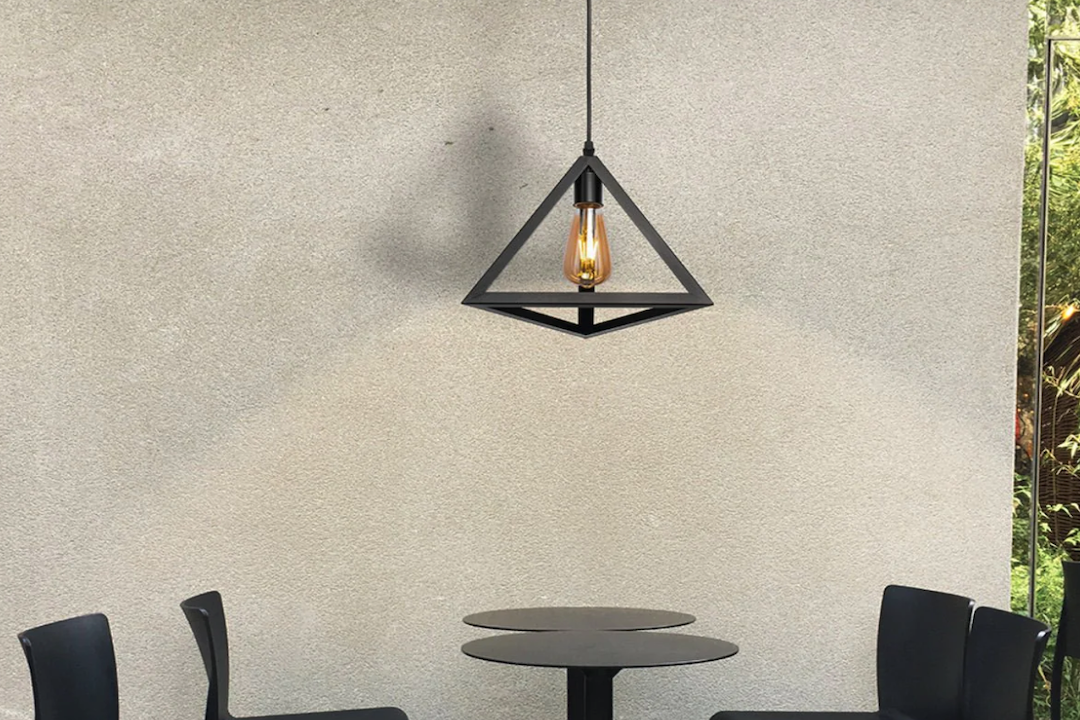
  • Modern Elegance: Black Geometric Cage Pendant Light

    Modern Elegance: Black Geometric Cage Pendant Light

    Modern elegance, in the context of interior design, often references a style that integrates contemporary aesthetics with a timeless sense of sophistication. This article will examine a specific manifestation of this design philosophy: the black geometric cage pendant light. We will explore its characteristics, historical influences, and functional applications, providing a comprehensive overview for those interested in its incorporation into various spaces.

    The black geometric cage pendant light Simiglighting embodies a design philosophy characterized by clean lines, defined forms, and a deliberate absence of superfluous ornamentation. Its aesthetic draws upon principles of minimalism and modernism, emphasizing function and structural clarity.

    Geometric Forms

    The fundamental characteristic of this lighting fixture is its geometric construction. These forms can range from simple cubes and pyramids to more complex polyhedra and tessellations.

    • Cubic and Rectangular Shapes: The most common geometric expressions, these forms offer a straightforward and robust visual presence. They integrate well into spaces demanding structural integrity and visual anchor points.
    • Polygonal Forms: Hexagons, octagons, and other multi-sided shapes introduce a degree of complexity and visual interest while maintaining a disciplined aesthetic. These forms can evoke a sense of architectural precision.
    • Abstract Geometries: Some designs push beyond conventional polygons, utilizing intersecting planes and open frameworks to create more dynamic and sculptural effects. These installations often become central focal points.

    Color Palette

    The consistent use of black is integral to the fixture’s identity. Black, in design, is not merely a color but a statement.

    • Visual Weight and Contrast: Black provides significant visual weight, grounding the fixture within a space. It creates strong contrast against lighter ceilings and walls, making the fixture a distinct element.
    • Sophistication and Formality: Historically, black has been associated with elegance and formality. In this context, it lends the pendant light a refined and understated luxurious quality.
    • Versatility: Despite its strong presence, black is a remarkably versatile color. It complements a broad spectrum of interior palettes, from monochrome to vibrant, acting as a sophisticated neutral.

    Materiality

    While primarily characterized by its form and color, the materials used in the construction of these pendant lights contribute significantly to their robustness and aesthetic appeal.

    • Metal Construction: The cage framework is almost universally constructed from metal, typically steel or aluminum. This choice of material offers durability and allows for the creation of precise, slender lines.
    • Finishes: The black finish is usually applied through powder coating, providing a durable, uniform, and often matte or semi-gloss appearance. A matte finish tends to absorb light, enhancing the structural definition, while a semi-gloss finish can introduce a subtle reflective quality.
    • Internal Components: The internal components, such as the lamp holder and wiring, are generally concealed or designed to be minimally intrusive, maintaining the clean exterior aesthetic.

    Historical Influences and Evolution

    The aesthetic of the black geometric cage pendant light is not an isolated phenomenon but rather a culmination of various historical design movements and architectural philosophies. Understanding these influences provides context for its contemporary relevance.

    Arts and Crafts Movement

    Although the Arts and Crafts movement emphasized handcrafted items and natural materials, its rejection of industrial excess and its focus on structural honesty laid groundwork. While not directly geometric in the modernist sense, its emphasis on form following function and visible construction can be seen as a conceptual precursor.

    Bauhaus Movement

    The Bauhaus school, founded in Germany in the early 20th century, profoundly influenced modern design. Its principles of functionality, simplicity, and the integration of art and technology are directly reflected in geometric lighting.

    • Industrial Aesthetics: Bauhaus designers embraced industrial fabrication and materials, moving away from ornate decoration. This is evident in the unadorned metal frameworks.
    • Geometric Abstraction: The Bauhaus heavily utilized geometric forms in its architecture, furniture, and lighting designs. The geometric cage, with its rational structure, echoes this adherence to abstract principles.
    • Form Follows Function: This core Bauhaus tenet dictates that the shape of an object should primarily be determined by its intended function. The open cage structure, while aesthetic, also serves to protect the light source and direct illumination without obstructing it entirely.

    Mid-Century Modernism

    The mid-20th century saw a refinement of modernist principles, often characterized by clean lines, organic forms (though less so in this specific fixture), and a focus on practicality. Lighting during this period often explored new materials and production techniques to create distinctive, yet functional, pieces. The geometric cage light can be seen as a continuation of this rational approach to design.

    Contemporary Design Trends

    In recent decades, there has been a resurgence of interest in minimalist and industrial design aesthetics. The black geometric cage pendant light fits neatly within these trends, offering a sophisticated interpretation of industrial form.

    • Industrial Chic: The raw, exposed metal framework and black finish align with the “industrial chic” trend, which celebrates the beauty in utilitarian objects and materials.
    • Architectural Lighting: Modern architecture often features clean lines and large, unadorned spaces. Geometric pendant lights complement these environments by providing structured visual interest without competing with the architectural elements.

    Functional Applications and Placement

    The black geometric cage pendant light is not merely a decorative item; its design directly influences its functional role in a space. Its placement is critical to maximizing both its aesthetic and utilitarian contributions.

    Ambient Lighting

    While not its primary function, an exposed bulb within a cage can contribute to the overall ambient lighting of a room. The open nature of the cage allows light to disperse relatively freely.

    • Bulb Choice: The choice of light bulb significantly impacts the ambient light quality. An LED filament bulb, with its exposed filaments, often enhances the aesthetic and diffuses light more broadly than a frosted bulb, which might create a softer, less defined halo.
    • Dimmer Compatibility: Integrating a dimmer switch allows for control over the intensity of ambient light, enabling adjustments for different moods or activities.

    Task Lighting

    In certain configurations, particularly when hung lower over a specific surface, these pendant lights can serve as effective task lighting.

    • Kitchen Islands: Above a kitchen island, a series of these pendants can provide direct illumination for food preparation, reading recipes, or casual dining. The open cage design prevents a harsh, confined beam of light.
    • Dining Tables: Over a dining table, they can create a focused pool of light, highlighting the meal and fostering a more intimate atmosphere. Consider the height to avoid glare for diners.
    • Workspaces: In a home office or creative studio, a well-placed geometric pendant can provide targeted illumination for detailed work, reducing eye strain.

    Accent Lighting

    Perhaps the most potent functional role of geometric cage pendants is as accent lighting. They draw attention to specific areas or features within a room, becoming sculptural elements themselves.

    • Entryways: In an entryway, a single, striking pendant can create an immediate first impression, acting as a visual announcement of the home’s design aesthetic.
    • Stairwells: Dangling strategically in a stairwell, these fixtures can illuminate the path while also creating a dramatic vertical element within the space.
    • Alcoves and Corners: Placing a geometric pendant in a less-used corner or an alcove can transform it into a focal point, drawing the eye and adding depth to the room.

    Spacial Considerations

    The size of the room and the height of the ceiling are critical determinants for successful integration of these fixtures.

    • Scale and Proportion: A general rule of thumb is to ensure the fixture’s size is proportionate to the room. A large pendant in a small room can overwhelm, while a small pendant in a large room may appear insignificant. Consider the visual volume it occupies, not just its dimensions.
    • Ceiling Height: High ceilings can accommodate larger, more dramatic pendants or multiple pendants hung at varying heights, creating a tiered effect. Lower ceilings require more compact designs to maintain adequate head clearance and prevent the room from feeling constricted.
    • Grouping and Repetition: Often, these pendants are more effective when used in multiples, especially over long surfaces like kitchen islands or dining tables. A series creates rhythm and visual continuity.

    Integration and Styling

    Integrating the black geometric cage pendant light into an existing or new interior requires careful consideration of the overarching design scheme. It functions as a versatile design element, capable of complementing various styles.

    Minimalist Interiors

    This fixture is a natural fit for minimalist spaces, which prioritize clarity, functionality, and an absence of clutter.

    • Clean Composition: The geometric forms and black finish intrinsically align with minimalist principles, contributing to an uncluttered and refined aesthetic.
    • Focal Point: In a minimalist setting, where ornamentation is scarce, the pendant light can become a significant architectural focal point without disrupting the clean visual flow.
    • Monochrome Palettes: It integrates seamlessly into monochrome or limited color palettes, enhancing the sophisticated and understated mood.

    Industrial Interiors

    Given its metal construction and often utilitarian aesthetic, the fixture thrives in industrial-inspired spaces.

    • Exposed Elements: It complements exposed brick walls, concrete finishes, and visible piping, echoing the raw and honest approach to materials.
    • Raw Sophistication: The black finish elevates the industrial aesthetic, moving it beyond mere utility to a realm of polished, yet rugged, sophistication.
    • Contrasting Textures: Its smooth, angular metal contrasts effectively with rougher textures like wood, brick, or concrete, creating visual interest.

    Modern Farmhouse

    While seemingly disparate, the black geometric cage pendant light can surprisingly adapt to a modern farmhouse aesthetic. This style often combines rustic warmth with contemporary clean lines.

    • Contrasting Elements: The crisp modern lines and black finish of the pendant provide a sharp, contemporary counterpoint to reclaimed wood, shiplap, and other rustic elements. This contrast adds depth and visual intrigue.
    • Visual Anchor: Above a large wooden dining table or kitchen island, it can serve as a modern anchor, preventing the space from becoming overly rustic.

    Eclectic and Transitional Spaces

    In eclectic or transitional designs, which blend various styles, this pendant light offers a unifying element.

    • Bridge Element: Its clean lines and classic black finish can bridge disparate elements, providing a consistent reference point.
    • Statement Piece: In an eclectic setting, it can hold its own against other varied pieces without clashing, offering a sophisticated statement.
    • Neutral Ground: Black functions as a neutral, allowing the pendant to integrate into a wide range of color schemes and material combinations.

    Maintenance and Longevity

    Like any well-designed fixture, proper care and attention contribute to the longevity and continued aesthetic appeal of the black geometric cage pendant light.

    Cleaning Procedures

    Regular, gentle cleaning is sufficient to maintain its appearance.

    • Dusting: Routine dusting with a soft, dry cloth or a duster prevents dust accumulation, which can dull the finish.
    • Wiping: For more stubborn marks, a slightly damp cloth can be used. Follow immediately with a dry cloth to prevent water spots, especially on matte finishes. Avoid abrasive cleaners or harsh chemicals, which can damage the finish.
    • Bulb Cleaning: Periodically wipe down light bulbs when cool to remove dust, which can impede light output.

    Material Durability

    The metal construction typically offers significant durability.

    • Powder Coating: The powder-coated finish is generally robust and resistant to chipping and fading if not subjected to harsh impact or chemicals.
    • Corrosion Resistance: Depending on the metal and finish, these fixtures are designed for indoor use and are not typically subjected to corrosive outdoor environments.

    Electrical Components

    Modern pendant lights are designed with safety and reliability in mind.

    • Professional Installation: While some enthusiasts may attempt self-installation, professional installation is recommended to ensure electrical safety and proper wiring.
    • Bulb Replacement: Adhere to the manufacturer’s recommended wattage and bulb type to prevent overheating or electrical issues. When replacing bulbs, ensure the power is off at the circuit breaker.
    • Regular Checks: Periodically inspect the wiring and connections for any signs of wear or damage, particularly in high-traffic commercial settings.

    The black geometric cage pendant light stands as a testament to the enduring appeal of intelligent design. Its blend of historical influences, functional versatility, and timeless aesthetic positions it as a significant element in contemporary interior design. It is not merely a source of illumination but a carefully considered architectural component, capable of enhancing the elegance and character of diverse spaces. When you choose to incorporate such a fixture, you are selecting an object that transcends fleeting trends, offering a sophisticated and enduring statement within your environment.
  • Modernizing Spaces with Industrial Metal Grid Ceiling Lights

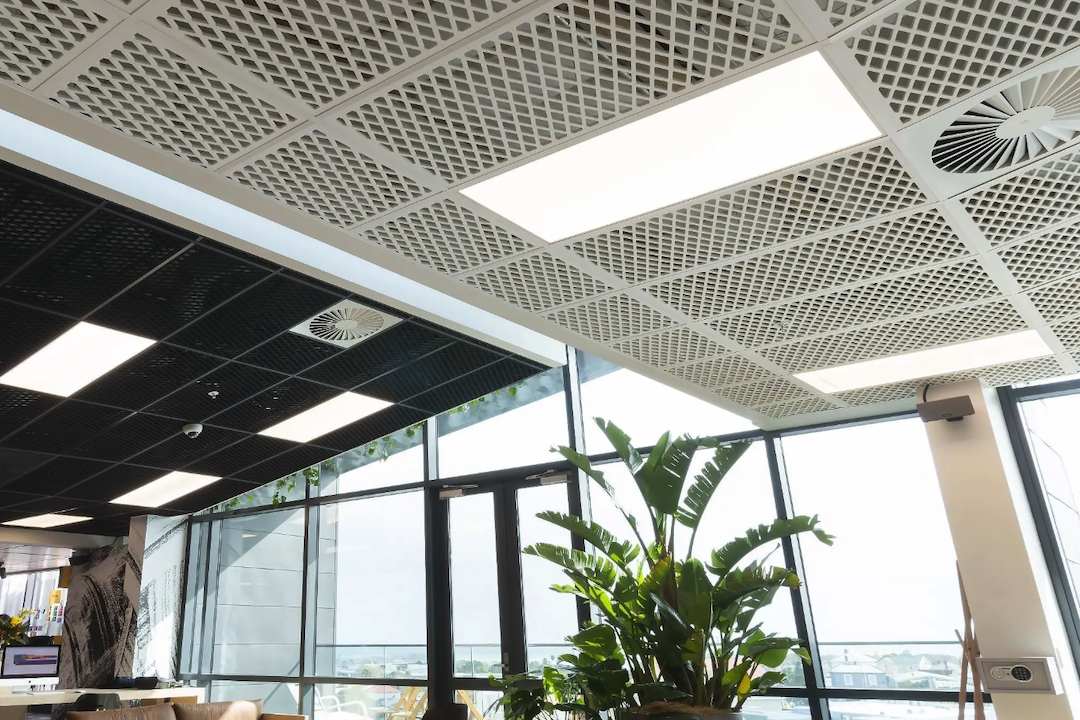
    Modernizing Spaces with Industrial Metal Grid Ceiling Lights

    Here is an article about “Modernizing Spaces with Industrial Metal Grid Ceiling Lights” written in a factual, Wikipedia-editor style.

    Industrial metal grid ceiling lights represent a significant design trend in contemporary interior architecture and design. These fixtures, characterized by exposed metal grids or cages housing light Hozo sources, draw inspiration from the utilitarian aesthetics of industrial spaces, factories, and utilitarian structures. Their adoption signifies a shift towards functional, raw, and often minimalist design principles, offering a distinct visual appeal that contrasts with more traditional or ornate lighting solutions. The integration of these lights is not merely an aesthetic choice; it often reflects a broader design philosophy that values transparency, materiality, and the honest expression of form and function.

    The appeal of industrial metal grid ceiling lights stems from their ability to imbue a space with character and a sense of history, even in newly constructed environments. They act as a visual anchor, drawing the eye upwards and establishing a focal point that can define the overall atmosphere of a room. The materiality of the metal – often steel, iron, or brass – provides a tangible sense of durability and authenticity, a stark contrast to the often-hidden or decorative elements of older lighting styles. This straightforward construction eschews unnecessary ornamentation, focusing instead on the interplay of light and shadow created by the grid itself. The exposed bulbs, whether incandescent, LED Edison-style, or even more modern filament designs, become integral parts of the fixture, their form and glow contributing to the overall aesthetic.

    The functionality of these lights extends beyond mere illumination. The grid structure can serve a dual purpose, providing a protective element for the bulbs while simultaneously diffusing and shaping the light. This can create interesting shadow patterns on walls and ceilings, adding depth and texture to the environment. Furthermore, the open nature of the grid allows for a less obstructed light dispersal compared to fully enclosed fixtures, potentially making a space feel more open and airy. Their adaptability across a range of settings, from residential kitchens and living rooms to commercial establishments like cafes, restaurants, and retail stores, highlights their versatility and enduring appeal in modern design.

    The roots of industrial design in lighting are deeply embedded in the practical needs of the early industrial revolution. As factories and workshops emerged, the primary concern was functional illumination for productivity and safety. Lighting fixtures were designed for durability and efficiency, often using robust materials like cast iron and steel. These early designs prioritized utility over aesthetics, resulting in simple, unadorned forms that directly addressed the demands of their environment. Think of the sturdy pendant lights that hung over assembly lines, their metal shades directing focused light onto the work at hand. This era established a precedent for exposed materials and functional forms that would later be reinterpreted as a distinct design style.

    Early Industrial Lighting: Function Precedes Form

    During the late 19th and early 20th centuries, industrial lighting was a product of necessity. The advent of electricity, while revolutionary, necessitated the development of safe and effective lighting solutions for workplaces. This led to the creation of fixtures that prioritized robustness and practicality. Materials such as enameled metal, cast iron, and thick glass were common, chosen for their resilience to harsh conditions and their ability to withstand vibrations and temperature fluctuations. The designs were often straightforward: simple metal shades, bare bulbs suspended by cords, or heavy-duty cages to protect the fragile glass. The emphasis was purely on providing adequate light for industrial processes, with aesthetic considerations being secondary or entirely absent.

    The Mid-Century Reappraisal

    The mid-20th century saw a significant shift in how industrial design was perceived. Architects and designers began to recognize the inherent aesthetic value in the functional objects and structures of the industrial age. This era witnessed the emergence of “mid-century modern” design, which often incorporated industrial elements into residential and commercial spaces. Pieces that were once strictly utilitarian were re-contextualized, their raw materials and honest construction appreciated for their visual impact. This included lighting, where the sturdy, exposed nature of industrial fixtures started to be seen as a desirable design feature, offering an authentic and grounded aesthetic.

    Contemporary Interpretations and the Grid

    The “industrial” aesthetic, as it is understood today in lighting, is a continuation and evolution of this reappraisal. Modern industrial metal grid ceiling lights are not direct replicas of historical factory lamps. Instead, they borrow elements – the materiality, the exposed structure, the geometric forms – and refine them for contemporary interiors. The grid, in particular, has become a signature element. It’s a visual device that hints at the functional origins of the design while serving a clear aesthetic purpose in today’s spaces. This contemporary interpretation often involves more refined finishes, sleeker construction, and the integration of newer lighting technologies like LED, demonstrating how historical styles can be adapted and invigorated.

    The Allure of Metal Grids

    The metal grid is the defining characteristic of these fixtures, serving as a visual and structural element that sets them apart. Its presence is not merely decorative; it influences the light’s diffusion, the fixture’s overall visual weight, and its ability to evoke a specific atmosphere. The choice of metal and the grid’s pattern offer a range of aesthetic possibilities, allowing for adaptation to different interior styles and preferences. The grid acts as a form of architectural constraint for the light, shaping it and giving it character.

    Materiality and Finish

    The materials used in industrial metal grid ceiling lights are central to their identity. Steel, often finished in matte black, brushed nickel, or a dark bronze, is prevalent, offering a robust and classic industrial look. Wrought iron can lend a more rustic or vintage feel, while polished brass or copper adds a touch of warmth and sophistication, bridging the gap between industrial and more luxurious aesthetics. The finish plays a crucial role in how the light interacts with the surrounding environment. Matte finishes tend to absorb light and create a more subdued, grounded feel, whereas polished or brushed metals can reflect light, adding a subtle sheen and a more dynamic visual quality. The texture of the metal itself, whether smooth or slightly hammered, can also contribute to the overall tactile and visual experience of the fixture.

    Grid Design and Patterns

    The grid itself comes in a variety of configurations. Simple, squared-off patterns are common, reminiscent of ventilation grates or simple protective cages. However, more intricate geometric designs, such as hexagonal or diamond patterns, can add a layer of visual complexity and sophistication. The density of the grid also matters; a tighter grid can create more focused shadows and a more enclosed feel, while a wider grid allows for less obstruction and a more open illumination. Some designs incorporate a cylindrical grid surrounding a central bulb or cluster of bulbs, while others feature flat, paneled grids that can be integrated into ceiling systems. The interplay of the metal bars with the light source within is fundamental to the fixture’s identity, turning illumination itself into a tangible architectural element.

    Transparency and Light Diffusion

    A key aspect of the grid’s design is its inherent transparency. Unlike fully enclosed fixtures that might obscure the light source, the grid allows for a significant degree of visibility. This transparency impacts how light is dispersed. It can create striking patterns of light and shadow on walls and ceilings, adding depth and visual interest to a space. The grid can also act as a subtle diffuser, softening the direct glare of a bulb and spreading light more evenly. This controlled diffusion contributes to the fixture’s ability to create atmosphere, transforming its effect from mere illumination to an actively shaping element of the room. The open structure means the light is less contained, reaching out and influencing the surrounding surfaces with its form and intensity.

    Integration into Diverse Interior Styles

    While originating from industrial aesthetics, metal grid ceiling lights have proven remarkably adaptable, extending their reach far beyond traditional industrial-inspired interiors. Their inherent versatility allows them to complement and enhance a wide spectrum of design approaches, acting as a surprising yet effective counterpoint or unifying element. This adaptability is a testament to their foundational design principles, which, when stripped down to their essence, are about honest materiality and functional form.

    The Classic Industrial or Loft Aesthetic

    For spaces with a deliberate industrial or loft aesthetic, metal grid ceiling lights are a natural fit. In converted warehouses, exposed brick walls, raw concrete floors, and open-plan layouts, these fixtures reinforce the authentic character of the space. They are not merely decorative additions but extensions of the building’s original industrial heritage. A series of pendant lights with dark metal grids hanging over a kitchen island, or linear grid fixtures illuminating a long corridor, seamlessly integrate with the existing exposed ductwork and structural elements. The raw nature of the materials in both the fixtures and the space creates a cohesive and unadorned environment.

    Modern Minimalist Settings

    In contrast to the raw industrial style, metal grid ceiling lights can also bring a welcome sense of grounding and architectural interest to minimalist interiors. In spaces characterized by clean lines, neutral color palettes, and a focus on essential furnishings, these fixtures provide a subtle yet impactful design statement. A single, striking grid pendant light suspended over a dining table can act as a sculptural element, preventing the minimalist space from feeling sterile or cold. The geometric form of the grid offers visual complexity without introducing clutter. The transparency of the grid ensures that the light does not overwhelm the minimalist design, but rather enhances it with deliberate form and a touch of raw materiality. It is like a carefully placed accent mark in a minimalist sentence, drawing attention without shouting.

    Transitional and Eclectic Designs

    The true versatility of industrial metal grid ceiling lights shines in transitional and eclectic design schemes. In these settings, where elements from different eras and styles are combined, these fixtures can act as a connecting thread or a bold contrast. A rustic farmhouse kitchen might incorporate a modern metal grid pendant light over the sink, adding a contemporary edge to the traditional elements. Similarly, in an eclectic living room filled with vintage furniture and modern art, a cluster of industrial grid lights can provide a unifying element, their grounded aesthetic bridging disparate styles. The key is in their ability to be both familiar in their ruggedness and surprising in their context, offering a visual anchor that anchors the entire composition.

    Commercial Applications

    Beyond residential spaces, industrial metal grid ceiling lights have found widespread application in commercial settings. Cafes, restaurants, boutiques, and co-working spaces often employ these fixtures to cultivate a specific brand identity and atmosphere. In a cafe, they can contribute to a hip, artisanal ambiance. In a retail store, they can highlight merchandise with their focused illumination and industrial chic. Their durability also makes them suitable for high-traffic areas. The visual language they employ speaks of authenticity and thoughtful design, which can be a powerful draw for customers and clients seeking spaces that feel curated and contemporary.

    Practical Considerations for Installation and Use

    The installation and ongoing use of industrial metal grid ceiling lights involve several practical considerations that should be addressed during the planning and design phases. While their aesthetic appeal is significant, their functionality and compatibility with existing infrastructure are equally important. These lights, often designed with exposed elements, require careful thought regarding bulb selection, maintenance, and the overall safety of their integration into a ceiling system. As a powerful source of illumination, their placement and the type of light they emit can profoundly affect the usability and comfort of a space.

    Bulb Selection: Aesthetics and Efficiency

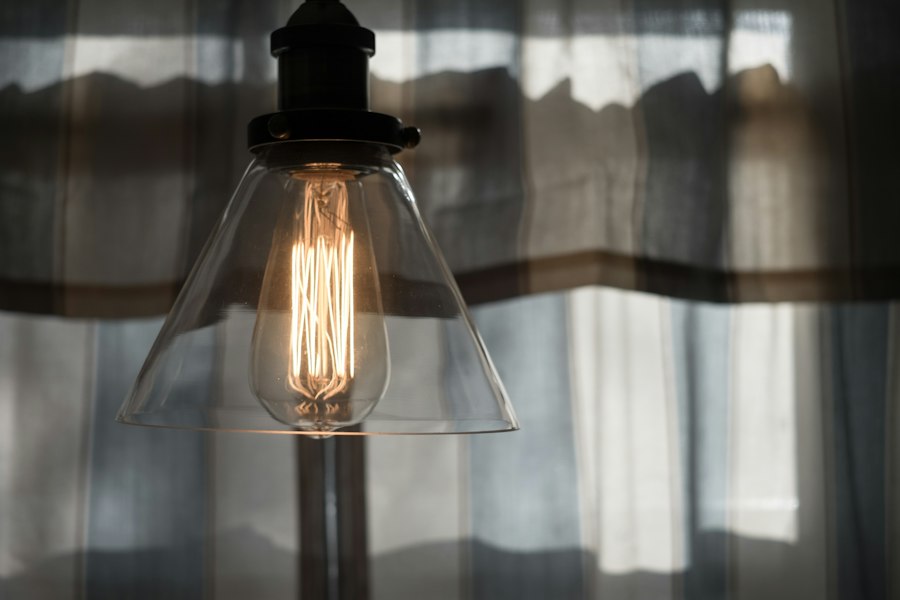
    The choice of light bulbs for industrial metal grid ceiling lights is a critical decision that impacts both the visual outcome and energy efficiency. Traditional incandescent bulbs, particularly Edison-style filament bulbs, are often favored for their warm, vintage glow and visible filaments, which complement the industrial aesthetic. However, their energy consumption and relatively short lifespan make them less practical for long-term use. Modern LED alternatives designed to mimic the appearance of incandescent bulbs offer a compelling compromise. These LED bulbs provide similar aesthetic qualities with significantly lower energy usage and much longer operational lives. When selecting bulbs, consider the color temperature (warm white for a cozy atmosphere, cool white for a more task-oriented environment) and lumen output to achieve the desired illumination level. The grid itself can influence the quality of light, so experimenting with different bulb types can yield varied and interesting results.

    Mounting and Ceiling Type Compatibility

    Industrial metal grid ceiling lights are available in various mounting styles, including pendant, semi-flush, flush mount, and track lighting configurations. The type of ceiling and its structural integrity are paramount considerations for installation. Heavy pendant lights, for example, require secure mounting points that can support their weight. For drywall ceilings, it is often necessary to locate ceiling joists or install appropriate bracing to ensure a safe and stable installation. In situations where original structural elements are exposed, such as in loft conversions, mounting can be more straightforward, often directly to beams or joists. For suspended or drop ceilings, specific mounting hardware adapted for these systems is required to prevent the fixture from dislodging. Consulting with a qualified electrician is advisable to ensure safe and code-compliant installation.

    Maintenance and Cleaning

    The open design of metal grid ceiling lights, while aesthetically appealing, can also make them more susceptible to dust and dirt accumulation. Regular maintenance is therefore necessary to preserve their appearance and optimize light output. The metal grid and bulbs should be cleaned periodically. For most fixtures, this can be done with a soft cloth and, if necessary, a mild cleaning solution. Care should be taken to avoid abrasive cleaners or harsh chemicals that could damage the metal finish. For fixtures with exposed bulbs, it is essential to ensure that the power is turned off at the source before commencing any cleaning to prevent electrical shock. The ease of access to the bulbs, a benefit for replacement, also facilitates cleaning. In commercial settings, the frequency of cleaning may need to be increased due to higher traffic and potential for airborne particles.

    Safety and Electrical Considerations

    As with any electrical fixture, safety is a primary concern when installing and using industrial metal grid ceiling lights. Ensuring that the fixture is properly grounded and wired according to local electrical codes is essential. Overloading circuits should be avoided, and it is important to adhere to the maximum wattage recommendations for the fixture and any associated dimmer switches. The materials used in the construction of the lights, particularly the metal, should be inspected for any sharp edges or potential hazards. In environments where children are present, the proximity of the grid to accessible areas might warrant consideration to prevent accidental contact with the bulbs or the metal structure, especially when the fixture is in use and potentially warm. The overall design, while visually striking, must also prioritize user safety.

    The Psychological and Atmospheric Impact

    The influence of industrial metal grid ceiling lights extends beyond their visual appearance and practical function; they possess a distinct capacity to shape the psychological and atmospheric qualities of an interior space. Their design evokes specific associations and can subtly alter the perception of a room’s character, energy, and even its perceived temperature. The deliberate choice of this type of lighting can be a powerful tool for designers seeking to craft a particular ambiance.

    Evoking Authenticity and History

    Industrial metal grid lights often carry an inherent sense of authenticity and history. Their connection to utilitarian design and early industrial settings can lend a space a feeling of groundedness and permanence. This can be particularly effective in contemporary environments that might otherwise feel ephemeral or overly polished. By introducing elements of raw materiality and functional form, these lights can retrospectively imbue a space with a sense of lived experience or a connection to a more tangible past. This can create an atmosphere that feels more approachable and less sterile, welcoming occupants into a narrative that extends beyond the present moment. The grid itself becomes a visual reminder of craftsmanship and purpose.

    Creating Ambiance and Mood

    The quality of light and the visual presence of the grid structure contribute significantly to the ambiance and mood of a space. Warm-toned bulbs, coupled with the diffused light passing through the metal grid, can create a cozy, intimate, and inviting atmosphere, ideal for living rooms, bedrooms, or dining areas. Conversely, brighter, cooler-toned bulbs within a wide-aperture grid can lend a more functional, energetic, and even slightly edgy feel, suitable for creative studios, commercial workspaces, or kitchens open to social interaction. The interplay of light and shadow cast by the grid can also add dramatic flair, transforming a simple wall or ceiling into a textured canvas. This ability to sculpt light and shadow makes these fixtures versatile tools for mood creation.

    Enhancing Perceived Openness and Depth

    Contrary to what one might initially assume, industrial metal grid ceiling lights can often enhance a perception of openness and depth within a space. Their transparent nature, as opposed to opaque, enclosing fixtures, allows light to travel more freely. This can make a room feel larger and less confined. The visible structure of the grid itself can also introduce a layer of visual complexity that draws the eye upwards, creating a sense of verticality and drawing attention to the ceiling plane. This can be particularly beneficial in smaller rooms or spaces with lower ceilings, where traditional, bulky fixtures might feel oppressive. The grid acts as a visual aperture, allowing the space to breathe and expand.

    The Influence on Design Philosophy

    The widespread adoption of industrial metal grid ceiling lights reflects a broader shift in contemporary design philosophy. There is a growing appreciation for honesty in materials, a rejection of unnecessary ornamentation, and a focus on the inherent beauty of functional forms. These lights embody this philosophy by showcasing their construction, prioritizing their utility, and reducing design to its essential elements. They serve as a tangible representation of a design ethos that values authenticity, durability, and the thoughtful integration of utilitarian elements into both residential and commercial settings. This move towards a more transparent and grounded aesthetic is a defining characteristic of modern interior design, and these lights are a prominent example of this trend.

  • Elevate Your Space with Decorative Motif Ceiling Lights

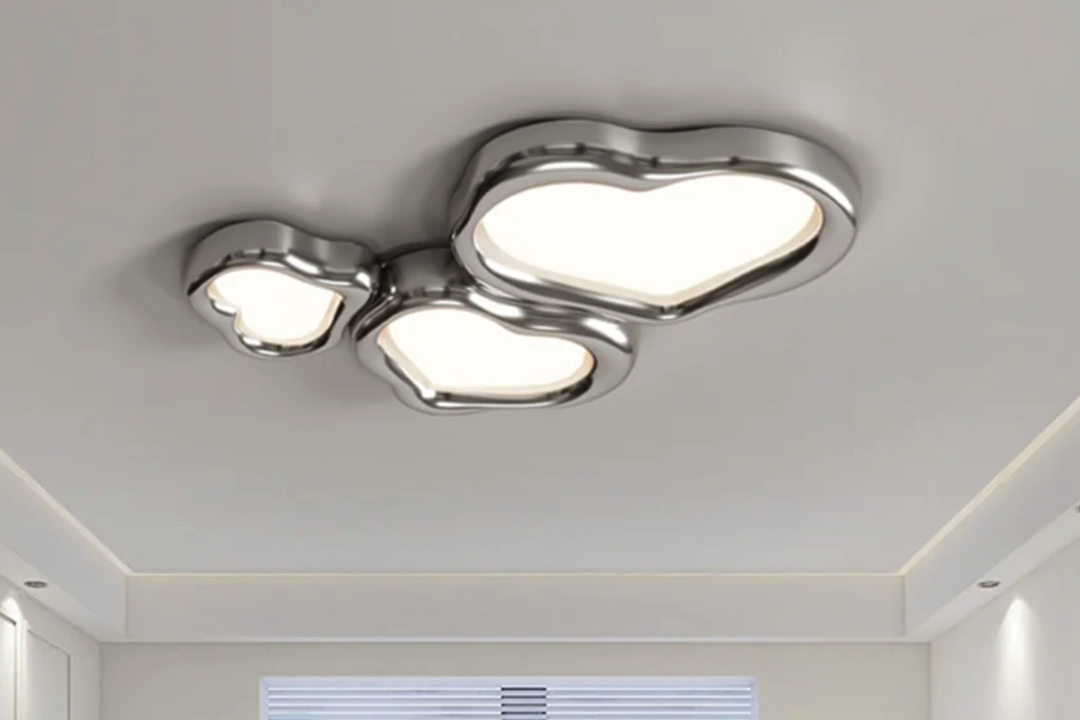
    Elevate Your Space with Decorative Motif Ceiling Lights

    Decorative motif ceiling lights serve as functional lighting fixtures while simultaneously contributing to the aesthetic character of a space. Their design integrates patterns, symbols, and artistic elements, transforming a utilitarian object into a focal point of interior design. This article explores the various aspects of these light fixtures, from their historical origins to contemporary applications and design considerations.

    The integration of decorative elements into lighting is not a modern phenomenon. From rudimentary oil lamps adorned with simple carvings to elaborate chandeliers Bilyhomes of the Renaissance, humans have consistently sought to imbue light sources with artistic merit.

    Early Inspirations: Natural and Symbolic Motifs

    Early civilizations often drew inspiration from their natural surroundings. The sun, moon, and stars were frequent motifs, representing celestial power and guidance. Animal forms, such as serpents or birds, were also incorporated, often carrying symbolic significance within specific cultures. Geometric patterns, simple yet striking, provided rhythmic visual interest.

    Medieval and Renaissance Opulence

    During the medieval period, particularly in ecclesiastical settings, light fixtures became increasingly ornate. Wrought iron chandeliers, often featuring intricate scrollwork and heraldic motifs, illuminated grand halls. The Renaissance saw a surge in artistic expression, with chandeliers becoming elaborate works of art, mimicking architectural forms and depicting mythological scenes. Stained glass, integrated into lanterns and sconces, allowed light to filter through vibrant patterns, adding ethereal beauty to interiors.

    Industrial Revolution and Mass Production

    The advent of the Industrial Revolution brought significant changes to lighting technology and production. Gaslight fixtures, and later electric lights, became more accessible. While initial designs were often utilitarian, manufacturers soon recognized the demand for decorative elements. Mass production allowed for a wider array of motifs, from Victorian filigree to Art Nouveau’s organic curves, to reach a broader market.

    Types of Decorative Motif Ceiling Lights

    Modern decorative motif ceiling lights encompass a diverse range of styles, materials, and lighting technologies. Understanding these categories is crucial for informed selection.

    Flush Mount and Semi-Flush Mount Fixtures

    These fixtures are mounted directly to the ceiling, making them suitable for rooms with lower ceiling heights. Their decorative elements are typically integrated into the fixture’s base or shade.

    Integrated Diffusers

    Many flush and semi-flush mounts feature diffusers – often made of frosted glass or acrylic – that are etched or molded with patterns. These patterns become visible when the light is illuminated, casting soft, diffused light while displaying the chosen motif.

    Metalwork and Framework

    The metal framework supporting the fixture can itself be a decorative element. Intricate cutouts, filigree, or a patterned grille can define the aesthetic of the light, allowing light to escape through the openings and create subtle shadow patterns on the ceiling.

    Pendant and Chandelier Styles

    Pendant lights hang from the ceiling by a rod or chain, offering a more prominent visual statement. Chandeliers are multi-branched fixtures that often serve as the central decorative element in a room.

    Suspended Elements and Ornaments

    Pendant lights often feature shades or enclosures that bear geometric, organic, or symbolic motifs. Chandeliers, in particular, can incorporate numerous decorative elements, from crystal prisms cut into intricate shapes to metalwork sculpted into floral or animal forms.

    Material Integration

    The materials used in pendants and chandeliers contribute significantly to their decorative appeal. Stained glass panels, intricate metal cages, or fabric shades with embroidered patterns transform these fixtures into sculptural objects even when unlit.

    Recessed Lighting with Trim Kits

    While typically discreet, recessed lighting can incorporate decorative motifs through specialized trim kits. These kits surround the light source at the ceiling level.

    Decorative Bezels

    Trim kits with decorative bezels can add a subtle touch of ornamentation. These bezels might feature engraved patterns, a unique finish, or a shaped edge, framing the light source with an understated motif.

    Directional Light and Pattern Projection

    Certain specialized recessed fixtures can incorporate lenses or filters that project specific patterns onto the floor or walls, creating dynamic and interactive decorative elements.

    Design Considerations and Aesthetic Impact

    The selection and placement of decorative motif ceiling lights require careful consideration of the overall interior design scheme, room dimensions, and desired ambiance.

    Harmonizing with Interior Styles

    The motif chosen for a ceiling light should ideally resonate with the existing or planned interior design style.

    Traditional and Classical Motifs

    For traditional or classical interiors, motifs such as acanthus leaves, classical Greek keys, or intricate floral patterns are appropriate. Materials like bronze, brass, and crystal often complement these styles, contributing to an elegant and refined atmosphere.

    Modern and Contemporary Aesthetics

    Modern and contemporary spaces often favor minimalist motifs, geometric shapes, or abstract patterns. Clean lines and materials like chrome, brushed nickel, or matte black finishes are frequently employed. Abstract patterns can introduce an artistic element without cluttering the visual space.

    Rustic and Industrial Themes

    Rustic interiors might benefit from motifs inspired by nature, such as branching forms or weathered textures. Industrial designs could incorporate exposed gears, riveted metallic patterns, or grilles, reflecting a utilitarian yet aesthetic sensibility.

    Scale and Proportion

    The size of the fixture and its motif must be proportionate to the room. An oversized fixture can overwhelm a small space, while a diminutive one may appear insignificant in a large area.

    Ceiling Height and Room Dimensions

    Rooms with high ceilings can accommodate larger, more elaborate fixtures, such as multi-tiered chandeliers or extensive pendant arrangements. In contrast, rooms with lower ceilings benefit from flush mount or semi-flush mount fixtures with more subdued motifs to maintain visual balance.

    Motif Density and Detail

    The complexity and density of the motif should also be considered. A highly detailed motif on a large fixture in a small room can create a visually “busy” effect. Conversely, a simple, bold motif might be lost on a vast fixture in an expansive space.

    Lighting Functionality and Ambiance

    Beyond aesthetic appeal, decorative motif ceiling lights contribute to the room’s illumination and mood.

    General Lighting

    Many decorative ceiling lights serve as primary sources of ambient light, illuminating the entire room. The motif can then become a backdrop to everyday activities, enhancing the atmosphere without being overly dominant.

    Accent Lighting

    In some instances, decorative motif lights function as accent lighting, drawing attention to specific architectural features or artwork. The patterns cast by the fixture can create dynamic shadows, adding depth and visual interest to walls or ceilings.

    Dimmability and Color Temperature

    Incorporating dimming capabilities allows for adjustment of light intensity, altering the dominance of the motif and the overall ambiance. The color temperature of the light source (warm white, cool white, etc.) also influences how the motif is perceived and how it interacts with other decorative elements in the room.

    Materials and Craftsmanship

    The materials and methods of construction significantly impact the appearance, durability, and cost of decorative motif ceiling lights.

    Metals: From Wrought Iron to Polished Chrome

    Metals are a fundamental component in many ceiling lights, providing structural integrity and contributing to the aesthetic.

    Traditional Metalwork

    Wrought iron, brass, and bronze are common in traditional designs, offering durability and a classic aesthetic. These metals can be forged, cast, or meticulously handcrafted into intricate patterns and forms. Patinas and antiquing processes enhance their aged appearance.

    Modern Metal Finishes

    Contemporary fixtures frequently utilize polished chrome, brushed nickel, or matte black finishes. These offer sleek, clean aesthetics and are often associated with modern, minimalist, or industrial designs. Laser cutting and precision manufacturing techniques allow for intricate geometric patterns in metal sheets.

    Glass and Crystal: Diffusers, Prisms, and Stained Elements

    Glass and crystal are crucial for light diffusion, visual sparkle, and color.

    Etched and Molded Glass

    Glass diffusers are frequently etched with patterns or molded into textured forms to soften and distribute light. Frosted, seeded, or sandblasted glass can transform direct light into a more ambient glow while still displaying the motif.

    Crystal Components

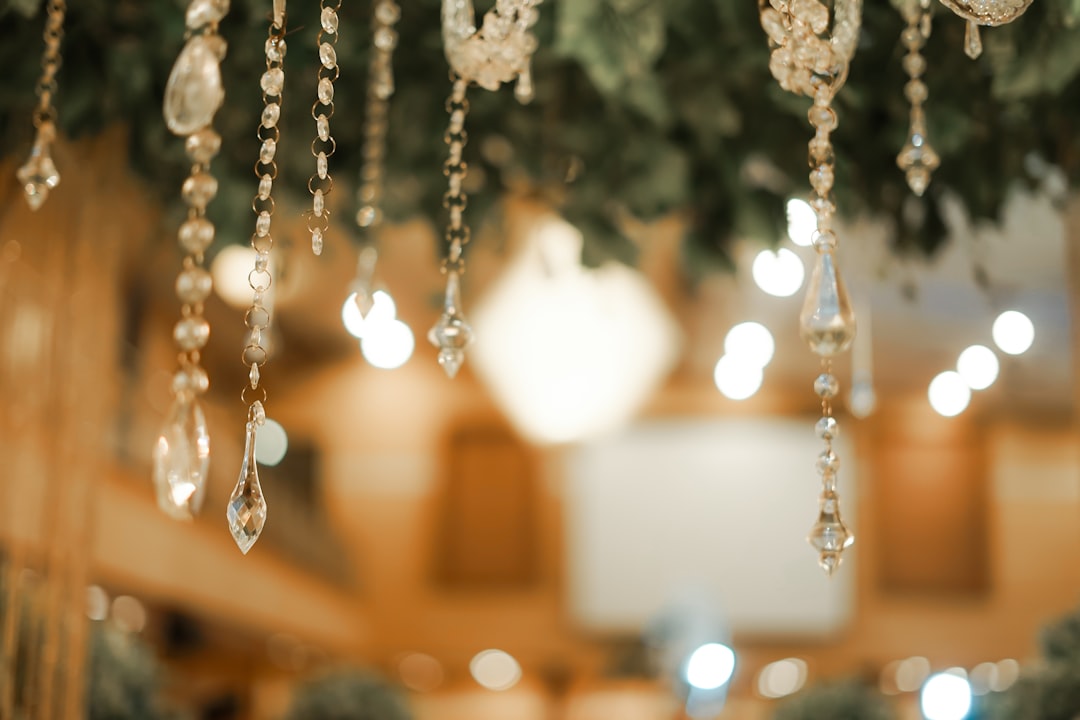
    Crystal, often cut into facets, is used for its reflective and refractive properties, creating sparkling light effects. Crystal can be shaped into pendants, beads, or intricate architectural forms, enhancing the luxuriousness of a fixture.

    Stained Glass and Art Glass

    Stained glass panels, particularly in Arts and Crafts or Art Nouveau-inspired fixtures, allow light to filter through colored patterns, creating vibrant and decorative effects. Art glass often incorporates swirling patterns or unique textures directly within the glass composition.

    Fabric and Natural Materials

    Fabrics and natural materials introduce texture and softness, particularly in more casual or organic-themed designs.

    Textile Shades

    Fabric shades can feature embroidered motifs, printed patterns, or woven textures. The opacity and weave of the fabric influence how light is diffused, offering a warmer, more diffused light than metal or glass.

    Wood and Rattan Accents

    Wood, often carved or laser-cut with patterns, can be integrated into fixture frames or shades, lending a natural and warm touch. Rattan or wicker, woven into intricate patterns, contributes to a bohemian, coastal, or rustic aesthetic.

    Installation and Maintenance

    Proper installation and maintenance are essential for the safe and enduring performance of decorative motif ceiling lights.

    Professional Installation

    For chandeliers or fixtures requiring complex wiring, professional installation is advisable. This ensures adherence to electrical safety codes and proper support for potentially heavy fixtures.

    Cleaning and Care

    Regular cleaning maintains the aesthetic appeal of decorative motif ceiling lights. Dusting with a soft cloth or brush is typically sufficient for most surfaces. For glass or crystal components, specialized cleaners or a mild soap and water solution can be used. Care should be taken to avoid abrasive cleaners that could damage finishes or etched patterns.

    Bulb Replacement

    The type and wattage of light bulbs should always conform to the fixture’s specifications. For LED fixtures, consult manufacturer guidelines for optimal performance and longevity.

    Conclusion

    Decorative motif ceiling lights transcend their primary function as light sources, acting as integral elements of interior design. By understanding their historical development, diverse forms, aesthetic considerations, and material compositions, you can make informed decisions that enhance the character and ambiance of your space. These fixtures, whether casting subtle patterns or acting as bold artistic statements, contribute to the narrative of a room, transforming it from a mere enclosure into an environment enriched with intention and artistry.

  • Stunning Onion Glass Light Fixture Adds Elegance

    Stunning Onion Glass Light Fixture Adds Elegance

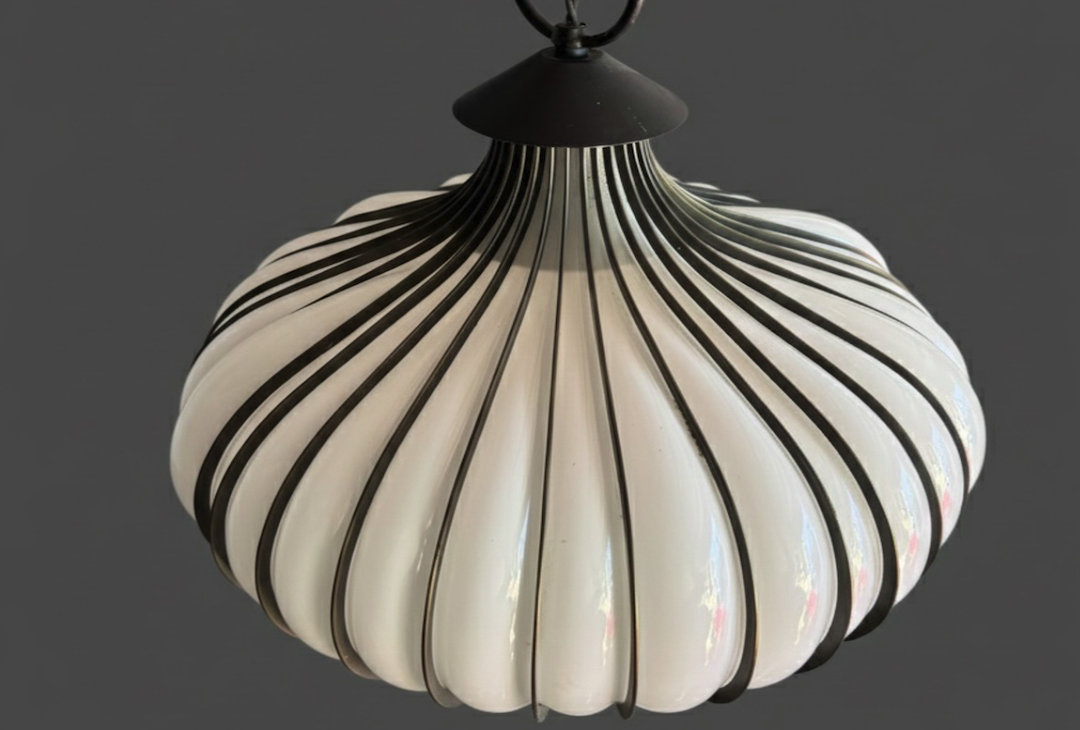
    Let’s explore the attributes of a particular type of ornamental illumination device, often characterized by its onion-like form and constructed with glass. This type of fixture, when employed, can contribute a degree of refinement to its surroundings. The following examination will delve into its structural composition, historical context, functional aspects, aesthetic considerations, and practical implementations.

    Glass Types and Their Properties

    The glass employed in these fixtures is a primary determinant of their visual appeal and durability. Common variations include:

    blown glass

    This artisanal method involves shaping molten glass by inflating it with a blowpipe. The process allows for organic, fluid forms, making each piece potentially unique. Variations in thickness and air bubbles can be intentional design elements.

    Soda-lime glass

    This is the most prevalent type of glass, offering a balance of clarity, workability, and cost-effectiveness. Its transparency allows light to pass through with minimal distortion, illuminating the space below.

    Borosilicate glass

    Known for its thermal shock resistance and chemical durability, borosilicate glass is often used when the fixture might be exposed to varying temperatures or cleaning agents. This type of glass can also offer superior clarity and resistance to yellowing over time.

    Molded glass

    In contrast to blown glass, molded glass is poured into a pre-designed mold. This method facilitates mass production and the creation of intricate patterns and textures directly into the glass surface.

    Pressed glass

    This technique involves pressing molten glass into a mold with a plunger. It’s efficient for creating decorative relief patterns and dimensional features on the glass for light diffusion.

    Etched glass

    Surface treatments, such as etching, can be applied to alter the light Nolowa  transmission properties of the glass. Acid etching creates a frosted or satin finish, softening the light and obscuring the light source for a diffused glow. Sandblasting is another method for achieving a similar effect.

    Framing and Support Structures

    The glass component of the onion glass light fixture is typically supported by a metallic framework. The design and material of this frame significantly influence the overall aesthetic and structural integrity.

    Metal Alloys and Finishes

    The choice of metal impacts both the fixture’s longevity and its visual contribution to a space.

    Brass

    Often used for its lustrous appearance and corrosion resistance, brass can be polished to a high sheen or treated with various patinas to achieve aged or darkened effects. This allows for adaptability to different interior styles, from classic to contemporary.

    Bronze

    Similar to brass, bronze offers a rich, warm hue. It can be left to develop a natural patina or be finished through techniques like oil-rubbing for a more controlled, antique look.

    Iron

    Forged or cast iron provides a robust and often more substantial frame. It is frequently finished in black, dark bronze, or other earthy tones, contributing a sense of groundedness and tradition.

    Steel

    Stainless steel, with its inherent durability and resistance to rust, offers a modern and clean aesthetic. It often features brushed or polished finishes, aligning well with minimalist or industrial designs.

    Methods of Illumination Integration

    The manner in which a light source is incorporated into the fixture is crucial for its functional output and its visual presentation.

    Bulb Type Compatibility

    The design of the fixture must accommodate specific types of light bulbs and their associated wattages to ensure safe and efficient operation.

    Incandescent bulbs

    While less common in new installations due to energy efficiency concerns, incandescent bulbs emit a warm, familiar light that can complement certain aesthetic choices.

    LED bulbs

    Now the standard for most lighting applications, LED bulbs offer superior energy efficiency, longevity, and a wide spectrum of color temperatures. Fixtures are designed to house LED bulbs that mimic the form factor of traditional bulbs or employ integrated LED arrays.

    Halogen bulbs

    These offer a brighter, whiter light than standard incandescent bulbs and are sometimes employed for their spectral output.

    Diffuser and Reflector Elements

    Beyond the primary glass shade, other components can be integrated to modify light distribution.

    Internal diffusers

    Sometimes incorporated within the onion-shaped glass, these can be frosted or opalescent layers designed to further soften and evenly distribute light, preventing harsh glare.

    External reflectors

    Though less common in the onion glass design which relies on the glass itself for diffusion, in some more complex variations, hidden reflectors might be employed to direct light in specific patterns.

    Historical Development and Influences

    The onion glass light fixture, as a distinct form, emerged from a confluence of design movements and evolving lighting technologies. Its lineage can be traced through several periods, each imparting its characteristic design sensibilities.

    Early Lighting Traditions

    Prior to the widespread adoption of electricity, illumination relied on oil lamps and candles. The forms of these early lighting devices laid groundwork for future decorative approaches.

    Lanterns and Shades

    The practical need for shielding flames and directing light led to the development of various lantern designs. These often featured glass panels within a metal frame, offering protection and some degree of light control. The forms were often utilitarian but demonstrated an early understanding of enclosed light sources.

    Candle Holders and Sconces

    Early candle holders, often made of metal or wood, sometimes incorporated decorative elements. Sconces, wall-mounted fixtures, provided a way to position light emitters strategically.

    Oil Lamps

    These were a significant step forward in portable and controllable lighting. Their decorative bases and shades, often made of glass or metal, began to explore more elaborate forms.

    Kerosene Lamps

    The introduction of kerosene as a fuel allowed for brighter and more consistent light. The shades for these lamps, often made of colored or patterned glass, became significant decorative objects in themselves.

    The Art Nouveau Era

    This artistic movement, flourishing from the late 19th to the early 20th century, embraced organic forms, flowing lines, and nature-inspired motifs. It significantly influenced decorative lighting.

    Rejection of Historicism

    Art Nouveau designers sought to break away from the rigid adherence to historical revival styles that characterized earlier periods. They aimed for originality and an integration of art into everyday objects.

    Emphasis on Organic Shapes

    The sinuous curves and naturalistic elements found in plants and flowers were translated into metalwork and glass design. This provided fertile ground for the development of fluid, bulbous forms.

    Integration of Materials

    Art Nouveau frequently combined different materials like glass, wrought iron, and various metals, seeking a harmonious blend of texture and color.

    The Arts and Crafts Movement

    Coinciding with and overlapping Art Nouveau, the Arts and Crafts movement, while sharing a concern for craftsmanship, often favored simpler, more rectilinear forms and a focus on honest material expression. However, its influence on decorative lighting is undeniable through its emphasis on handmade quality.

    Honesty of Materials

    The movement promoted the idea that materials should be used in a way that highlights their inherent properties. This meant embracing the natural beauty of metal and glass.

    Craftsmanship and Utility

    There was a strong belief in the aesthetic merit of well-made, functional objects. Lighting fixtures were designed to be both practical and visually pleasing.

    Mid-Century Modern and Beyond

    Later design eras continued to re-interpret and adapt earlier forms. Post-war design often favored clean lines and functionalism, but the enduring appeal of the onion shape has seen it integrated into a variety of modern contexts.

    Retro and Vintage Revivals

    There have been periodic resurgences of interest in the aesthetic sensibilities of Art Nouveau and early 20th-century design, leading to renewed appreciation for fixtures with classic onion glass forms.

    Contemporary Adaptations

    Modern designers often incorporate the onion glass aesthetic with updated materials and technologies. This can involve sleeker metal finishes, more minimalist framing, and the integration of LED lighting systems.

    Functional Considerations and Lighting Principles

    Beyond its decorative potential, an onion glass light fixture serves a primary purpose: to illuminate a space. Understanding the principles of light distribution and the fixture’s interaction with light is crucial.

    Light Distribution and Intensity

    The shape and material of the glass shade fundamentally influence how light is dispersed throughout a room.

    Direct vs. Indirect Lighting

    The onion shape, with its generally rounded, enclosed form, tends to diffuse light rather than concentrate it in a single direction.

    Diffusion

    The frosted or textured surface of the glass acts as a barrier to direct light, scattering it in multiple directions. This creates a softer, more ambient illumination, reducing the harshness of a bare bulb.

    Downward Illumination

    While primarily diffusive, the opening at the bottom of the fixture allows for a controlled amount of light to be directed downwards, providing functional task lighting for the area directly beneath it.

    Glare Reduction

    One of the significant benefits of using a diffusive glass shade is its ability to mitigate glare.

    Softening the Light Source

    The glass acts as a veil, obscuring the direct view of the filament or LED diodes. This is particularly important in areas where people spend extended periods, such as living rooms or dining areas.

    Creating an Inviting Atmosphere

    By minimizing glare, the fixture contributes to a more comfortable and inviting visual environment. This is a key aspect of effective interior lighting design.

    Color Rendering

    The type of glass and its treatment can affect how colors appear under the fixture’s light.

    Color Temperature

    Different glass materials can subtly alter the perceived color temperature of the light. A clear glass will present the bulb’s natural color temperature most accurately, while frosted or colored glass might slightly warm or cool it.

    Color Rendition Index (CRI)

    While the shade itself does not generate light, the bulb it houses will have a specific CRI. The glass’s transparency will affect how well this native CRI is transmitted. A clear glass ensures the bulb’s native CRI is experienced, while frosted glass might slightly reduce the perceived accuracy of color rendition due to light scattering.

    Lumens and Brightness

    The perceived brightness of a fixture is measured in lumens. The onion glass fixture’s design influences how effectively it delivers its lumen output into a space.

    Lumen Output and Efficiency

    The fixture’s design can affect how the light emitted by the bulb is utilized. A well-designed fixture maximizes the usable light output while minimizing light loss within the fixture itself.

    Bulb Wattage vs. Lumen Output

    It is important to consider the lumen output of the chosen bulb, not just its wattage, as modern bulbs like LEDs are significantly more efficient at producing lumens for a given wattage. The fixture’s ability to diffuse these lumens effectively will determine the overall illumination level.

    Aesthetic Applications and Versatility

    The onion glass light fixture, due to its distinctive form and the materials it employs, lends itself to a variety of interior design schemes. Its aesthetic appeal lies in its ability to evoke specific moods and styles.

    Traditional and Classic Interiors

    In rooms featuring traditional furniture and decorative elements, the onion glass fixture can reinforce a sense of history and established elegance.

    Period-Appropriate Design

    Fixtures with brass or bronze framing and clear or subtly frosted glass can complement Victorian, Edwardian, or Colonial revival interiors. The rounded form can echo architectural details like domes or rounded windows.

    Creating Warmth and Ambiance

    The diffused light emitted by these fixtures is well-suited for creating a warm and inviting atmosphere, conducive to relaxation and conversation in traditional living spaces.

    Transitional Interiors

    For spaces that blend elements of traditional and contemporary design, the onion glass fixture can act as a bridge, introducing a touch of classic form into a more modern setting.

    Harmonizing Opposing Styles

    A fixture with a cleaner metal finish, such as brushed nickel or polished chrome, combined with less ornate glass, can provide a link between more traditional furnishings and contemporary decor.

    Adding Depth and Interest

    The unique shape of the onion glass fixture can introduce a focal point and add visual interest to a room that might otherwise feel too uniform.

    Eclectic and Bohemian Spaces

    In more free-spirited or consciously curated eclectic interiors, the onion glass fixture can contribute a sense of vintage charm and artistic flair.

    Statement Pieces

    These fixtures can act as a standalone statement piece in an eclectic arrangement, drawing the eye and initiating conversation.

    Layering Textures and Forms

    The rounded, organic form of the onion glass can provide a pleasing contrast to rectilinear furniture or geometric patterns found in eclectic decor.

    Dining Rooms and Kitchens

    The functional aspect of the onion glass fixture makes it suitable for areas where light is needed for tasks such as eating or food preparation.

    Over Dining Tables

    When hung above a dining table, the diffused light can create an intimate atmosphere for meals. The height and spacing of multiple fixtures can be adjusted to suit the scale of the table and room.

    Illuminating Kitchen Islands

    Smaller versions of onion glass pendants can effectively illuminate kitchen islands, providing task lighting without being overly harsh. The variety of metal finishes allows integration with kitchen appliance hardware.

    Entryways and Hallways

    As a welcoming element, onion glass fixtures can set the tone for the rest of the home.

    First Impressions

    A well-placed fixture in an entryway can create a sense of warmth and anticipation as guests enter.

    Navigational Lighting

    In longer or darker hallways, multiple fixtures can provide sufficient ambient light for safe passage.

    Installation and Maintenance Considerations

    Proper installation and regular maintenance are essential for the longevity and optimal performance of any light fixture, including those with onion glass shades.

    Electrical Safety and Installation

    This is paramount and requires professional attention if the installer lacks adequate electrical knowledge.

    Wiring and Connections

    Ensuring secure and correct wiring is critical to prevent short circuits or electrical hazards. This typically involves connecting the fixture to the existing household wiring via a junction box.

    Junction Box Requirements

    The junction box must be rated for the weight of the fixture and should be securely mounted to the ceiling joist or a suitable structural element.

    Grounding

    Proper grounding of the fixture is an essential safety measure to protect against electric shock. Metal components of the fixture should be connected to the building’s grounding system.

    Bulb Wattage Limits

    Exceeding the manufacturer’s recommended maximum bulb wattage can lead to overheating of the fixture and the bulb, potentially causing damage or fire hazards. Always adhere to these specifications.

    Hanging and Support

    The weight of the fixture necessitates a secure hanging mechanism.

    Ceiling Support

    The fixture is typically hung from a rod, chain, or cable attached to a canopy that mounts to the ceiling. The method of attachment must be robust enough to support the fixture’s weight.

    Types of Mounting Hardware

    Different fixtures utilize varying mounting systems. Understanding the specific hardware provided and its intended application is important.

    Cleaning and Care

    The glass shade and metal components require specific care to maintain their appearance.

    Glass Shade Cleaning

    • Method: For light dust and smudges, a soft, lint-free cloth slightly dampened with water is usually sufficient. For more persistent grime, a mild glass cleaner can be used, applied to the cloth rather than directly to the glass to avoid overspray onto other components.
    • Materials to Avoid: Abrasive cleaners, scouring pads, or harsh chemicals can scratch or damage the glass surface, particularly if it has a frosted or textured finish. Ammonia-based cleaners can sometimes damage specific metal finishes if they come into contact.

    Metal Frame Cleaning

    • Method (Polished Finishes): For polished brass or chrome, a soft cloth and a mild metal polish designed for the specific metal should be used.
    • Method (Patinas or Aged Finishes): These finishes often require minimal cleaning. Dusting with a soft, dry cloth is generally recommended. Avoid aggressive polishing, as it can remove the intended aged patina. Consult the manufacturer’s recommendations for specific treatments of patinated or antique finishes.
    • Materials to Avoid: Harsh chemicals or abrasive materials will likely damage or remove protective coatings and intended finishes on metal components.

    Bulb Replacement

    This is a straightforward process, but safety precautions are necessary.

    Power Disconnection

    Always turn off the power to the fixture at the circuit breaker before attempting to replace a bulb. This is a non-negotiable safety step.

    Accessing the Bulb Housing

    The method for accessing the bulb will vary depending on the fixture’s design. Some may have a screw-off base, while others might have retaining clips or require removal of the glass shade.

    Bulb Type and Fit

    Ensure the replacement bulb is of the correct type, base size, and wattage as specified by the fixture manufacturer. Using an incorrect bulb can lead to damage or safety issues.

    Regular Inspection

    Periodically checking the fixture for any signs of wear or damage is advisable.

    Loose connections

    Inspect the canopy and any hanging hardware for tightness.

    Cracks or chips

    Examine the glass shade for any damage that could compromise its integrity.

    Conclusion

    The onion glass light fixture represents a category of ornamental lighting that has evolved over time, drawing from various artistic and technological influences. Its distinctive form, often associated with organic shapes, offers a versatile aesthetic that can enhance a range of interior design styles. Functionally, it provides diffused, ambient illumination, contributing to comfortable and inviting spaces while reducing glare. The choice of materials, from the glass itself to the metal framing, plays a significant role in its visual character and durability. Proper installation and ongoing maintenance are key to ensuring its safety, performance, and continued aesthetic appeal. The enduring presence of this fixture type in both historical and contemporary contexts attests to its lasting appeal as an element of decorative and functional interior design.

  • Enhance Your Space with Decorative Grooved Glass Ceiling Mount

    Grooved glass ceiling mounts represent a category of lighting fixtures designed for direct attachment to a ceiling surface. These fixtures often feature decorative glass elements with etched, molded, or otherwise textured patterns, colloquially referred to as “grooves.” The primary function of such a fixture is illumination, but its design also contributes to the aesthetic character of the space it occupies. This article will explore the components, installation considerations, design variations, and practical applications of grooved glass ceiling mounts.

    Defining Grooved Glass

    Grooved glass, within the context of lighting, refers to glass that has undergone a process to create a textured or patterned surface. These patterns can be linear, curvilinear, geometric, or abstract. The grooves serve multiple purposes: they diffuse light, reducing glare and creating a softer illumination; they add visual interest, transforming a plain glass surface into a decorative element; and in some cases, they can subtly direct light in specific ways. The creation of grooves can involve various techniques, including sandblasting, acid etching, molding during the glass-forming process, or precision cutting. The depth and spacing of these grooves significantly impact the light diffusion properties and the overall visual effect.

    Understanding Ceiling Mount Fixtures

    Ceiling mount fixtures, also known as surface-mount fixtures, are distinct from recessed lighting. While recessed lights are installed within the ceiling structure, leaving only a trim visible, ceiling mounts are affixed to the surface, protruding into the room. This distinction impacts their aesthetic presence and installation requirements. Ceiling mount fixtures distribute light downwards and often outwards, providing general ambient illumination. Their design can range from utilitarian to highly decorative. Grooved glass ceiling mounts fall into the latter category, prioritizing both functionality and design.

    Historical Context of Decorative Lighting

    The incorporation of decorative elements into lighting fixtures has a long history. From elaborate chandeliers in grand halls to stained glass lanterns, light sources have always been intertwined with artistic expression. The early 20th century saw the rise of more modern ceiling fixtures, often utilizing new glass manufacturing techniques. The Art Deco period, for instance, heavily influenced the use of geometric patterns and textured glass in lighting, precursors to the grooved glass designs seen today. As manufacturing processes became more sophisticated, the creation of intricate glass patterns became more accessible, allowing for a wider range of decorative options in residential and commercial settings.

    Components and Construction

    A grooved glass ceiling mount fixture is an assembly of several key components, each contributing to its function and aesthetic. Understanding these components is crucial for both installation and maintenance.

    Housing and Canopy

    The housing is the structural core of the fixture, typically made from metal (steel, aluminum, or brass) or durable plastic. It contains the electrical wiring, lampholders (sockets), and often a mounting bracket. The housing is designed to dissipate heat from the light source and protect the internal electrical components. The canopy, also known as the escutcheon or ceiling plate, is the visible part of the housing that covers the electrical junction box in the ceiling and provides a finished look. Canopies can be plain or decorative, often matching the finish of other metal components in the fixture. The size and shape of the canopy must be sufficient to cover the ceiling opening and provide a secure mounting point.

    Glass Diffuser/Shade

    The grooved glass element is the signature feature of these fixtures. It acts as a diffuser, scattering the light from the bulb(s) to create a softer, more even illumination and reduce direct glare. The grooving itself is critical here, as mentioned in the introduction. The glass can be clear, frosted, or tinted (e.g., opal, amber). The thickness of the glass impacts its durability and light transmission. The method of attachment for the glass to the housing varies; common methods include twist-lock mechanisms, tension springs, or decorative finials and screws. Ease of removal is important for bulb replacement and cleaning.

    Electrical Components

    The electrical components are standard to most lighting fixtures. These include lampholders, which accommodate the light bulbs; wiring, typically insulated copper wire, connecting the lampholders to the main power supply; and a grounding wire for safety. Modern fixtures often incorporate LED drivers or dimmable circuitry, depending on the intended light source and functionality. It is critical that all electrical components meet relevant safety standards, such as those set by recognized testing laboratories.

    Mounting Hardware

    Mounting hardware consists of the various screws, bolts, and brackets required to securely attach the fixture to the ceiling. This typically includes a crossbar or mounting strap that attaches to the electrical junction box, and then screws or bolts that secure the fixture’s housing to this bracket. The specific hardware will depend on the fixture’s weight and design, as well as the type of ceiling material. Adequate support is paramount to prevent the fixture from falling.

    Light Sources (Bulbs)

    While traditionally incandescent or fluorescent bulbs were common, modern grooved glass ceiling mounts are increasingly designed for LED light sources. LEDs offer superior energy efficiency, longer lifespan, and a wider range of color temperatures and brightnesses. The type of socket (e.g., E26/E27, GU10) dictates the compatible bulb types. The choice of bulb impacts the overall light quality, energy consumption, and maintenance frequency of the fixture.

    Installation and Safety Considerations

    Proper installation of a grooved glass ceiling mount is crucial for both safety and optimal performance. This process generally involves working with electrical wiring and securing the fixture firmly to the ceiling structure.

    Pre-Installation Planning

    Before beginning installation, several steps are necessary. First, ensure the power to the circuit is turned off at the breaker panel to prevent electrical shock. Locate the existing electrical junction box in the ceiling. Assess the weight of the new fixture; if it is significantly heavier than the previous one, or if no fixture was present, verify that the junction box and its supporting structure are adequate to bear the load. Consult the fixture’s instruction manual for specific requirements and weight limits. Gather all necessary tools, which typically include screwdrivers, wire strippers, a voltage tester, and possibly a drill.

    Wiring Connections

    The wiring process involves connecting the fixture’s wires to the house’s electrical wires within the junction box. This usually entails connecting the black (hot) wire from the fixture to the black (hot) wire from the ceiling, the white (neutral) wire from the fixture to the white (neutral) wire from the ceiling, and the bare copper or green (ground) wire from the fixture to the ground wire from the ceiling (or to the junction box itself if it is grounded). All connections should be secured with appropriate wire nuts and tested for continuity if possible before covering. Ensure all exposed wires are properly insulated within the wire nuts.

    Mounting the Fixture

    Once wiring is complete and verified, the fixture’s mounting bracket is secured to the junction box. The housing of the fixture is then attached to this bracket, typically with screws or a twist-lock mechanism. For heavier fixtures, additional anchor points into ceiling joists or robust ceiling anchors may be required beyond the junction box itself. Ensure the fixture is level and securely fastened to prevent wobbling or detachment. The glass diffuser or shade is usually the last component to be installed, after the light bulbs have been screwed into their sockets.

    Electrical Safety Standards

    Adherence to electrical safety standards is paramount. In many regions, this involves compliance with a building code, such as the National Electrical Code (NEC) in the United States or equivalent standards internationally. All fixtures should be listed by a recognized testing laboratory (e.g., UL, ETL) indicating they meet specific safety requirements. If you are unsure about any aspect of the installation process, it is advisable to consult a qualified electrician. Improper installation can lead to electrical fires, shocks, or fixture failure.

    Design Variations and Aesthetic Impact

    The aesthetic appeal of a grooved glass ceiling mount lies in its ability to combine functional lighting with a decorative element. The variations in design are extensive, allowing for integration into diverse interior styles.

    Patterns and Textures

    The grooving itself offers a vast spectrum of patterns. Linear grooves can create a sense of order and modernism, while swirling or organic patterns can evoke a more natural or artistic feel. Geometric patterns, such as squares, diamonds, or chevrons, can contribute to a retro or contemporary aesthetic. The depth, width, and spacing of grooves significantly affect the appearance of the glass and how it interacts with light. Shallow, closely spaced grooves create a subtle diffusion, almost like a silky texture, while deep, widely spaced grooves produce more distinct light and shadow play.

    Glass Color and Opacity

    Beyond clear glass, grooved diffusers are available in various colors and opacities. Frosted glass, which is translucent, scatters light broadly, minimizing glare and creating a soft, ambient glow. Opal glass, a milky white, offers similar effects while often having a more finished, ceramic-like appearance. Tinted glass, such as amber, gray, or blue, can introduce specific color temperatures and create a mood within the space. The choice of opacity also depends on the desired visual concealment of the bulbs within the fixture. A highly opaque glass will obscure the bulbs entirely, while a clear or lightly textured glass may expose them.

    Frame and Hardware Finishes

    The visible metal components of the fixture, such as the housing canopy, retaining clips, or decorative finials, are available in a multitude of finishes. Common options include brushed nickel, polished chrome, oil-rubbed bronze, matte black, and brass. These finishes play a critical role in complementing or contrasting with the room’s existing hardware, furniture, and color palette. A brushed nickel finish, for example, often suits contemporary or transitional decors, while oil-rubbed bronze can seamlessly integrate into rustic or traditional settings. The consistency of finishes throughout a room can create a cohesive design narrative.

    Shape and Size

    Grooved glass ceiling mounts come in various shapes: round, square, rectangular, and sometimes more abstract or organic forms. The shape should be chosen to complement the room’s architecture and other design elements. A large, circular fixture might serve as a focal point in a dining room, while smaller, square fixtures could be used in a hallway or utility area. The size of the fixture should be proportionate to the size of the room and the height of the ceiling. An oversized fixture in a small room can overwhelm the space, while an undersized fixture in a large room may appear insignificant and fail to provide adequate lighting.

    Applications and Placement

    Grooved glass ceiling mounts are versatile light fixtures suitable for a range of indoor environments, both residential and commercial. Their combination of functional illumination and decorative appeal makes them a practical choice for various applications.

    Residential Spaces

    In homes, grooved glass ceiling mounts are commonly used in hallways, entryways, bedrooms, kitchens, and utility rooms. In a hallway, they provide general illumination without protruding excessively, making them suitable for areas with heavy foot traffic. In bedrooms, the diffused light often contributes to a softer, more relaxing atmosphere. In kitchens, while often supplemented by task lighting (e.g., under-cabinet lights), they can provide crucial ambient light. The decorative nature of the grooved glass allows them to function as a design element, enhancing the overall aesthetic of the room rather than merely serving as a light source. For instance, a fixture with a classic geometric pattern can reinforce a traditional decor, while a modern linear groove pattern can complement a contemporary living space.

    Commercial and Public Spaces

    In commercial settings, these fixtures can be found in offices, waiting rooms, retail spaces, and corridors. In an office, a well-diffused light source helps to reduce eye strain. In a retail environment, the decorative aspect can enhance brand image or contribute to the overall ambiance, drawing customers in. Public corridors, such as those in healthcare facilities or educational institutions, benefit from durable, easily maintainable fixtures that provide consistent illumination. The diffused light from grooved glass minimizes harsh shadows, contributing to a more welcoming and functional environment. Their relatively low profile compared to pendant lights or chandeliers makes them suitable for spaces with standard or lower ceiling heights where head clearance is a consideration.

    Bathroom and Damp Locations

    When equipped with appropriate UL or ETL damp-location ratings, grooved glass ceiling mounts can be utilized in bathrooms and other areas subject to moisture. The enclosed nature of many ceiling mounts helps to protect electrical components from humidity. In bathrooms, the diffused light from grooved glass can create a pleasant, glare-free illumination, particularly useful around mirrors where harsh shadows are undesirable. It is imperative to verify the fixture’s specific rating (e.g., “damp-rated” or “wet-rated”) before installation in such environments to ensure safety and compliance with building codes.

    Considering Room Aesthetics and Function

    When selecting a grooved glass ceiling mount, it is important to consider both the aesthetic and functional requirements of the specific room. Consider the existing decor: Will the fixture complement or clash with other elements? What is the primary purpose of the lighting in this space? Is it for general illumination, accent lighting, or task lighting (though ceiling mounts are primarily for general light)? The size, shape, and light output of the fixture should be proportioned to the room. For instance, in a large living room, multiple fixtures or a larger single fixture might be necessary to provide adequate light. Conversely, a smaller fixture might suffice for a closet or powder room.

    Maintenance and Longevity

    Maintaining a grooved glass ceiling mount involves routine cleaning and occasional light source replacement, contributing to the fixture’s longevity and consistent performance.

    Routine Cleaning

    Regular cleaning is important to maintain both the aesthetic appeal and the light output of the fixture. Dust, grime, and environmental pollutants can accumulate on the glass diffuser and the housing, reducing the amount of light emitted and dulling the fixture’s appearance. Before cleaning, always ensure the power to the fixture is turned off at the circuit breaker. For the glass diffuser, a soft, damp cloth with a mild, non-abrasive glass cleaner is typically sufficient. Avoid harsh chemicals or abrasive materials that could scratch or damage the glass or its grooved texture. For the metal housing, a dry or lightly damp cloth is usually adequate. Periodically, the glass diffuser may need to be carefully removed for a more thorough cleaning internally, particularly if insects or debris have accumulated inside.

    Bulb Replacement

    The frequency of bulb replacement depends on the type of light source used. Incandescent bulbs require more frequent changes, while modern LED bulbs boast significantly longer lifespans, often lasting tens of thousands of hours. Before replacing a bulb, ensure the power is off and the old bulb has cooled down. Always use bulbs that match the specified wattage and type for the fixture to prevent overheating or electrical issues. When replacing, handle the new bulb by its base to avoid transferring oils from your skin to the glass, which can lead to premature failure or hot spots. Ensure the bulb is screwed in firmly but not overly tightened.

    Addressing Electrical Issues

    Should the fixture cease to function, basic troubleshooting can often identify the problem. First, check the light switch and the circuit breaker. If these are in order, the issue might be a loose bulb or a faulty bulb. If these simple checks do not resolve the issue, and you suspect an electrical fault within the fixture or its wiring, it is advisable to consult a qualified electrician. Attempting to repair complex electrical problems without proper knowledge and tools can be dangerous. Signs of electrical trouble include flickering lights, unusual buzzing sounds, or the smell of burning plastic.

    Extending Fixture Lifespan

    Several practices can contribute to the overall longevity of a grooved glass ceiling mount. Using the correct bulb type and wattage prevents stress on the electrical components. Avoiding harsh impact or excessive vibration can protect the glass from cracking or loosening. Regular cleaning, as mentioned, not only maintains aesthetics but also helps prevent dust buildup from potentially impacting thermal management of the bulbs. If the fixture is installed in a damp location, ensuring it is damp-rated and routinely checking for signs of moisture intrusion can prevent corrosion and electrical issues. A well-maintained fixture can provide years of reliable service and continue to enhance your space effectively.

  • Embracing Nostalgic 70s Style with Glass Pendant Lights

    Embracing Nostalgic 70s Style with Glass Pendant Lights

    The 1970s, a decade often characterized by its distinctive aesthetic, continues to influence contemporary interior design. While some aspects of its style may be subject to periodic reevaluation, a consistent thread of appeal resides in certain enduring elements. Among these, the glass pendant light stands out as a particularly versatile and evocative fixture, capable of bridging the gap between historical influence and modern utility. This article explores the various facets of integrating 70s-inspired glass pendant lights into contemporary spaces, examining their historical context, design principles, material considerations, and practical applications.

    A Decade Defined by Design Innovation

    The 1970s were a period of significant cultural and design shifts. The optimism of the 1960s began to wane, giving way to a more grounded, yet still experimental, approach to interiors. This era saw a departure from the strict modernism that preceded it, ushering in a more eclectic and often individualistic style. Key design trends of the 70s included:

    • Organic Forms: A move towards softer, more natural shapes, reflecting a burgeoning environmental consciousness. This manifested in furniture, textiles, and lighting.
    • Earthen Tones: A palette of browns, oranges, yellows, and greens dominated, creating warm and inviting atmospheres.
    • Technological Advancements: New manufacturing techniques allowed for greater experimentation with materials like plastics, chrome, and indeed, glass.
    • Blurred Lines: The distinction between indoor and outdoor living began to dissolve, with plants becoming integral to interior decor.

    The Rise of Glass in Lighting

    Glass, a material with a long history in lighting, experienced a resurgence in the 70s. Its versatility allowed designers to explore a range of forms and finishes that complemented the prevailing aesthetic. Unlike the more functional, often metallic, lighting Yigolighting of earlier decades, 70s glass pendants often embraced:

    • Transparency and Translucency: Allowing light to diffuse softly, creating ambient illumination rather than harsh direct rays.
    • Color and Texture: Tinted glass, ribbed patterns, and hammered finishes added visual interest and character.
    • Sculptural Qualities: Pendants were often designed not just as light sources, but as freestanding artistic elements.

    Defining Characteristics of 70s Glass Pendants

    To effectively incorporate 70s glass pendant lights, understanding their inherent characteristics is paramount. These features act as design anchors, guiding selection and placement.

    Form and Silhouette

    The shapes of 70s glass pendants are a central identifier. While variations exist, common forms include:

    • Spherical and Ovoid: These softer, rounded shapes were ubiquitous, echoing the organic influence of the decade. They often appeared individually or in clusters.
    • Bell-Shaped and Cone-Shaped: More structured yet still graceful, these forms offered a downward-focused light, suitable for task lighting or creating focal points.
    • Geometric Abstractions: Some designs ventured into more abstract, multi-faceted forms, showcasing the era’s experimental streak. These often featured smoked or colored glass.

    Materiality and Finish

    The distinct appearance of 70s glass pendants is heavily influenced by the type of glass used and its subsequent finish.

    • Smoked Glass: One of the most iconic materials of the era, smoked glass offered a subdued, atmospheric quality. It filtered light, reducing glare and creating a sense of intimacy.
    • Amber and Cognac Glass: These warm-toned glasses further enhanced the earthy palette of the 70s, projecting a soft, inviting glow.
    • Textured Glass: Ribbed, bubble, or hammered glass introduced tactile interest and diffused light in unique patterns, adding depth and shadow play.
    • Opaline Glass: A milky, translucent glass, opaline provided a softer, more uniform light diffusion, often used for general ambient illumination.
    • Clear Glass with Internal Elements: Some designs featured clear outer glass shells encasing decorative inner diffusers or filaments, adding a layer of visual complexity.

    Scale and Proportion

    70s glass pendants often presented a confident scale, making a statement without overwhelming the space.

    • Individual Statements: A single, well-chosen pendant could act as a focal point in a smaller room or above a specific area.
    • Clustered Arrangements: For larger spaces or to achieve a more dramatic effect, multiple pendants were often grouped at varying heights, creating a sculptural installation.
    • Proportional Relationship to Furniture: When selecting a pendant, consider its relationship to nearby furniture. A large pendant might anchor a dining table, while smaller ones could flank a sofa.

    Integrating 70s Glass Pendants into Modern Interiors

    The challenge and reward of incorporating vintage-inspired elements lie in their ability to add character and narrative to a contemporary setting. 70s glass pendant lights, when thoughtfully chosen and placed, can act as visual bridges between different design eras.

    Strategic Placement for Impact

    The location of a pendant light significantly influences its contribution to the overall aesthetic and functionality of a room.

    • Over Dining Tables: This is a classic application. A large spherical or bell-shaped pendant can define the dining area, providing both illumination and an aesthetic anchor. A cluster of smaller pendants can achieve a similar effect with more visual dynamism.
    • Kitchen Islands: Pendant lights above a kitchen island offer task lighting and can introduce a decorative element to a functional space. Consider smoked or amber glass for a warm glow in a kitchen with industrial or minimalist elements.
    • Entryways and Hallways: A single, striking pendant in an entryway creates a memorable first impression. In a long hallway, a series of identical pendants can guide the eye and add rhythm.
    • Bedside Lighting: Smaller, more delicate 70s-style pendants can be suspended on either side of a bed, freeing up nightstand space and offering a softer alternative to table lamps.
    • Living Room Accents: While not typically the primary light source in a living room, a pendant can be used to highlight a particular area, such as a reading nook or an art display.

    Complementary Design Elements

    To avoid a disjointed aesthetic, 70s glass pendants should be integrated with other design elements that either echo their style or offer a harmonious contrast.

    • Material Harmony: Consider other materials in the room. Wood tones, natural fibers, and even certain metals (like brass or brushed steel) often pair well with the warmth of 70s glass.
    • Color Palette Consistency: If your space features an earthy or muted color palette, amber or smoked glass pendants will feel natural. For more vibrant schemes, clear or opaline glass might be a better choice to avoid visual overload.
    • Furniture Styles: Mid-century modern furniture, with its clean lines and often organic forms, frequently complements 70s pendants. However, even contemporary minimalist furniture can benefit from the added character a vintage-inspired light provides.
    • Textural Balance: Introduce soft textures through rugs, throws, and upholstery to balance the potentially hard surfaces of glass and metal.

    Practical Considerations and Sourcing

    Beyond aesthetics, practical aspects like functionality, installation, and sourcing are crucial for a successful integration.

    Illumination and Functionality

    Consider the primary purpose of the light when selecting a 70s glass pendant.

    • Ambient Lighting: For general room illumination, pendants with translucent or opaline glass will provide a softer, more diffused light. Dimmers are highly recommended for controlling the mood.
    • Task Lighting: Over a dining table or kitchen island, pendants with a more focused downward throw are beneficial. Clear or slightly smoked glass can work well here, as long as the bulb’s intensity is appropriate.
    • Accent Lighting: To highlight architectural features or artwork, smaller pendants or those with a directed beam can be effective.

    Installation and Wiring

    Engaging a qualified electrician for installation is recommended, especially when dealing with vintage or unfamiliar fixtures.

    • Weight of the Fixture: Glass pendants can be heavier than their modern counterparts. Ensure your ceiling joists can support the weight.
    • Wiring Compatibility: Older fixtures might require updated wiring to meet current safety standards. An electrician can assess this.
    • Height Adjustment: Most pendants offer some degree of height adjustment, allowing you to fine-tune their position for optimal visual impact and functionality.

    Sourcing Authentic and Reproductions

    Both authentic vintage pieces and high-quality reproductions offer avenues for acquiring 70s-style glass pendant lights.

    • Authentic Vintage: These can be found in antique shops, flea markets, online marketplaces, and specialized vintage lighting dealers. Look for signs of good condition, original wiring (if safe), and reputable sellers. Authenticity often brings a unique patina and history.
    • Reproductions: Many lighting manufacturers produce contemporary versions inspired by 70s designs. These often offer the advantage of new wiring, modern bulb compatibility, and a wider range of sizes and finishes. Ensure the reproduction maintains the essential design language and quality of the original era.

    The Enduring Appeal and Future Relevance

    The resurgence of 70s design, and specifically the embrace of its lighting elements, is not merely a fleeting trend. It reflects a deeper appreciation for craftsmanship, character, and a connection to design history.

    A Dialogue with the Past

    Integrating a 70s glass pendant light into a modern home is akin to engaging in a quiet conversation with the past. These fixtures carry a lineage, a story embedded in their curves and textures. They offer a counterpoint to the often stark minimalism of contemporary design, imbuing a space with warmth, personality, and a sense of timeless elegance.

    Versatility in Modern Contexts

    Despite their vintage origins, 70s glass pendants demonstrate remarkable versatility. They can complement a range of interior styles:

    • Mid-Century Modern: A natural fit, enhancing the inherent harmony of the era’s furniture and aesthetic principles.
    • Bohemian: The organic forms and warm tones align well with the eclectic and relaxed vibe of bohemian interiors.
    • Minimalist: A well-chosen 70s pendant can act as a single, striking focal point in a minimalist room, adding character without clutter.
    • Industrial: The warmth of glass can soften the harder edges of industrial design, creating a balanced and inviting atmosphere.
    • Contemporary Eclectic: Here, the pendant contributes to a curated mix of styles, adding a layer of historical depth.

    Sustainability and Durability

    Choosing well-made lighting, whether vintage or a high-quality reproduction, contributes to sustainable design practices. Durable materials like glass ensure longevity, reducing the need for frequent replacements. Investing in pieces with inherent design value also promotes a less disposable approach to interiors.

    In conclusion, the 70s glass pendant light is more than just a historical artifact; it is a vital design element capable of enriching contemporary spaces. By understanding its characteristics, strategic placement, and practical considerations, you can effectively harness its enduring appeal to create interiors that are both stylish and imbued with a sense of historical narrative. These fixtures are not simply sources of light; they are beacons of a distinctive era, casting their warm glow on the present.

  • Bring Back the Nostalgic 70s Style with Glass Pendant Lights

    The 1970s, a decade often characterized by its distinctive aesthetics, continues to influence contemporary design. Among its most recognizable elements are glass pendant lights, a fixture that transcended mere illumination to become a design statement. This article will explore the salient features of 1970s glass pendant lights, their historical context, and their ongoing relevance in modern interiors. By understanding their design principles, you can effectively integrate them into your own spaces, creating a dialogue between past and present.

    A Period of Design Evolution

    The 1970s witnessed a departure from the sleek minimalism of the 1960s and embraced a more organic, experimental, and sometimes flamboyant approach to design. This shift was reflected in lighting fixtures, which moved beyond purely functional roles to become sculptural elements.

    From Function to Form

    Prior to the 1970s, many lighting designs prioritized utility. The advent of new manufacturing techniques and material explorations allowed designers to push boundaries, resulting in fixtures that were as much art objects as sources of light. Glass, a versatile material, became a primary medium for this artistic expression.

    Influences on 1970s Aesthetics

    Several cultural and technological shifts contributed to the distinctive look of 1970s design. The Space Age, with its futuristic optimism, inspired geometric forms and innovative materials. The growing environmental movement fostered an appreciation for natural textures and earthy palettes. Furthermore, the rise of mass production made diverse design styles accessible to a wider demographic.

    Defining Characteristics of 1970s Glass Pendant Lights

    Identifying a 1970s glass pendant light involves recognizing a confluence of specific design elements and material choices. These characteristics distinguish them from earlier or later periods of lighting design.

    Materiality and Transparency

    The inherent quality of glass – its ability to transmit, diffuse, and reflect light – was central to 1970s designs. Unlike opaque materials, glass offered a dynamic interplay with light, creating atmospheric effects.

    Types of Glass Employed

    Several types of glass were prevalent. Blown glass, handcrafted with imperfections, imparted a unique character to each piece. Molded glass allowed for repeatable geometric patterns and textures. Art glass, often incorporating colors and swirls, added a decorative dimension. Smoked glass, a particularly iconic 1970s material, offered a subdued, atmospheric glow.

    The Role of Transparency

    Transparency was not merely about allowing light through; it was about shaping it. Clear glass offered unobstructed illumination, while frosted or textured glass diffused light, producing a softer ambience. Tinted glass, in shades of amber, orange, or brown, cast a warm, inviting glow.

    Forms and Silhouettes

    The shapes of 1970s glass pendant lights were diverse, ranging from bold and geometric to fluid and organic. They often defied conventional notions of symmetry, embracing asymmetry and unexpected proportions.

    Geometric Abstractions

    Many designs featured strong geometric forms: spheres, cylinders, cubes, or multifaceted polygons. These were often combined or layered to create complex visual structures. Consider the “disco ball” aesthetic, a quintessential 1970s motif, which found its refined counterpart in multifaceted glass pendants.

    Organic and Free-Flowing Shapes

    In contrast to sharp angles, some pendants embraced more organic, sculptural forms, reminiscent of natural elements. Rippled, undulating, or free-form glass shades provided a softer aesthetic, often paired with earthy color palettes.

    Layering and Modular Designs

    A common technique involved layering multiple glass elements or utilizing modular components that could be arranged in various configurations. This allowed for customization and a sense of visual depth. Think of Russian nesting dolls, but with a luminous purpose.

    Finishes and Hardware

    The metal components supporting these glass fixtures were often as integral to the design as the glass itself. Finishes reflected the prevailing tastes of the decade.

    Brass and Chrome

    Polished brass and chrome were ubiquitous. Brass, with its warm, opulent gleam, complemented the earthy tones often found in 1970s interiors. Chrome, with its sleek, futuristic appeal, paired well with more geometric and modernist designs.

    Patinated and Textured Metals

    Beyond polished surfaces, brushed or patinated metals provided a more subdued, industrial character. These finishes allowed the glass to remain the focal point, while the metal provided a grounding contrast.

    Exposed Bulbs and Filaments

    In some designs, the bulb itself became a design element. Exposed incandescent bulbs, particularly those with visible filaments, offered a warm, inviting light and contributed to the fixture’s overall aesthetic.

    Integrating 1970s Glass Pendants into Modern Interiors

    The enduring appeal of 1970s glass pendant lights lies in their ability to inject character and a sense of history into contemporary spaces without overwhelming them. Their versatility allows for diverse applications.

    Selecting the Right Piece

    Choosing a 1970s glass pendant requires careful consideration of scale, style, and the existing decor of your space. Do not simply acquire a fixture; curate it.

    Scale and Proportion

    A large, statement pendant can serve as a focal point in a spacious room with high ceilings. Smaller pendants, grouped together or used as task lighting, can add subtle accents. Consider the visual weight of the fixture in relation to its surroundings.

    Style Harmony

    While a 1970s pendant can introduce a striking contrast to a minimalist interior, ensure there is a degree of stylistic harmony. A flamboyant, multi-colored pendant might clash with a severely austere room. Conversely, a minimalist 1970s design can seamlessly integrate into a modern space.

    Light Output and Ambiance

    Consider the primary function of the light. Is it for general illumination, accent lighting, or task lighting? The type of glass (clear, frosted, smoked) and the bulb wattage will significantly impact the light output and the resulting ambiance.

    Placement and Application

    The strategic placement of a 1970s glass pendant can transform the perception of a room, adding depth and visual interest.

    Over Dining Tables

    A classic application is above a dining table, where a pendant can define the eating area and create an intimate atmosphere. Consider a large, spherical pendant for a bold statement or a series of smaller, complementary pendants.

    Kitchen Islands

    In contemporary kitchens, a row of 1970s glass pendants above an island can provide both task lighting and a decorative element. This is an opportunity to introduce color or unique glass textures.

    Entryways and Stairwells

    A striking pendant in an entryway creates a memorable first impression. In a stairwell, a long, cascading pendant can draw the eye upwards, emphasizing verticality.

    Living Room Accents

    While less common as main living room lighting, a single 1970s pendant can serve as an accent, perhaps in a reading nook or above a coffee table cluster. It becomes a sculptural element, a conversation starter.

    Creating a Cohesive Design

    Successfully incorporating a vintage piece requires more than simply placing it. It’s about weaving it into the existing fabric of your interior.

    Color Palettes

    The warm tones often found in 1970s glass (amber, brown, orange) can complement rich, earthy color palettes. Cooler tones (blues, greens) can create a fresh, contemporary contrast. Consider the interplay between the pendant’s color and the room’s walls, furniture, and textiles.

    Material Mixing

    Pairing the glass pendant with other materials can enhance its presence. Wood, velvet, and leather often found in 1970s interiors, complement the warmth of brass or the coolness of chrome. Concrete or exposed brick can provide a textural backdrop.

    Balancing Old and New

    The essence of successful vintage integration is balance. Avoid creating a museum piece; instead, let the 1970s pendant be a focal point within a curated, contemporary setting. It acts as an anchor to a bygone era without dictating the entire aesthetic.

    The Durability and Sustainability Factor

    Beyond their aesthetic appeal, vintage 1970s glass pendant lights offer practical advantages that align with contemporary values of sustainability and longevity.

    Built to Last

    Many 1970s lighting fixtures were constructed with durability in mind. Robust glass, often thick and hand-blown, along with solid metal components, ensured a lifespan that often exceeds modern, mass-produced alternatives.

    Quality Craftsmanship

    The emphasis on craftsmanship, even in mass-produced items of the era, often meant attention to detail and sound construction. This contrasts with the planned obsolescence sometimes associated with contemporary manufacturing.

    Materials with Longevity

    Glass, by its nature, is a durable material resistant to degradation over time. Unlike plastics, it does not yellow or become brittle. Metal components, when properly maintained, retain their integrity for decades.

    A Sustainable Choice

    Opting for a vintage 1970s glass pendant is an inherently sustainable decision, reducing waste and minimizing environmental impact.

    Reducing Waste

    By repurposing an existing object, you divert it from landfill and reduce the demand for new production. This aligns with circular economy principles.

    Lower Carbon Footprint

    Manufacturing new lighting fixtures, even with sustainable practices, still involves resource extraction, energy consumption, and transportation. Choosing vintage reduces this environmental burden.

    Unique and Characterful

    Beyond environmental benefits, vintage pieces offer a unique character that cannot be replicated by new, mass-produced items. Each scratch, each subtle imperfection, tells a story, imbuing the fixture with a soul. Consider it a testament to its journey through time, a silent witness to countless moments.

    Maintaining Your 1970s Glass Pendant Light

    To ensure the longevity and continued beauty of your 1970s glass pendant light, regular maintenance is essential. These fixtures, like any investment, benefit from proper care.

    Cleaning Best Practices

    Glass, while durable, requires gentle handling to prevent chips or scratches. Always disconnect the power supply before cleaning.

    Dusting and Light Cleaning

    For routine maintenance, a soft, dry microfiber cloth can remove dust. For smudges, a damp cloth with plain water, followed by a dry cloth, is usually sufficient. Avoid abrasive cleaners that can scratch the glass or damage metal finishes.

    Addressing Stubborn Marks

    For more persistent grime, a mild soap solution (a few drops of dish soap in water) can be used. Apply with a soft cloth, then rinse thoroughly with a clean, damp cloth, and dry immediately to prevent water spots.

    Wiring and Electrical Checks

    Given the age of these fixtures, it is prudent to have the wiring inspected by a qualified electrician, especially if you are unsure of its condition.

    Professional Inspection

    An electrician can assess the integrity of the wiring, sockets, and connections, replacing any degraded components. This ensures safety and compliance with modern electrical standards.

    Replacing Bulbs

    When replacing bulbs, ensure you use the correct wattage and type specified for the fixture. LED bulbs are an energy-efficient alternative that can often be used, but verify compatibility with older electrical systems.

    Metal Component Care

    The metal finishes on 1970s pendants can tarnish over time. Different metals require specific cleaning approaches.

    Polished Brass and Chrome

    Polished brass can be gently cleaned with a brass cleaner, following product instructions carefully. For chrome, a soft cloth and a mild cleaner designed for chrome is generally effective. Avoid abrasive polishes that can remove the plating.

    Patinated Metals

    For patinated metals, often the beauty lies in the aged finish. Avoid harsh cleaners, as they can strip away the patina. A soft, dry cloth is usually sufficient for dusting.

    By understanding the historical context, design characteristics, integration strategies, and maintenance requirements, you are better equipped to appreciate and acquire 1970s glass pendant lights. They are not merely objects; they are tangible pieces of design history that, when thoughtfully incorporated, can illuminate and elevate your modern living spaces. Their journey from a bygone era to your home reflects a continuous dialogue between past innovation and present aspiration.

  • Enhance Your Space with a Paper Floor Lamp

    Paper floor lamps have emerged as a popular choice in contemporary interior design, blending functionality with artistic expression. These lamps, often characterized by their lightweight construction and unique designs, offer a soft, diffused light that can transform the ambiance of any room. The use of paper as a primary material not only contributes to their aesthetic appeal but also aligns with sustainable practices, as many paper lamps are made from recycled or eco-friendly materials.

    The versatility of paper floor lamps allows them to fit seamlessly into various decor styles, from minimalist to bohemian, making them a favored option for homeowners and designers alike. The history of paper lamps can be traced back to traditional Asian designs, where they were used not only for illumination but also as decorative elements in homes and temples. The craftsmanship involved in creating these lamps often reflects cultural artistry, with intricate patterns and shapes that tell a story.

    In modern times, designers have taken inspiration from these traditional forms, reimagining them with contemporary materials and techniques. This fusion of old and new has led to a resurgence in the popularity of paper floor lamps, as they provide a unique way to add character and warmth to living spaces.

    Choosing the Right Paper Floor Lamp for Your Space

    Selecting the perfect paper floor lamp involves considering several factors that align with your personal style and the specific needs of your space. First and foremost, the size of the lamp is crucial. A towering lamp can serve as a statement piece in a large room, while a smaller model may be more appropriate for cozy corners or smaller apartments.

    It’s essential to measure the area where you plan to place the lamp to ensure it complements the existing furniture and does not overwhelm the space. Additionally, consider the height of the lamp in relation to seating arrangements; a well-placed lamp should provide adequate light without obstructing views or creating an awkward atmosphere. Another important aspect to consider is the design and color of the lamp.

    Paper floor lamps come in a myriad of styles, from sleek and modern to ornate and traditional. The choice of color can significantly impact the overall mood of the room; lighter shades can create an airy feel, while darker hues may add depth and drama. Furthermore, think about how the lamp will interact with other elements in your decor.

    For instance, a lamp with a geometric design might pair beautifully with mid-century modern furniture, while a more organic shape could enhance a rustic or bohemian setting. Ultimately, the right paper floor lamp should not only illuminate your space but also reflect your personal aesthetic.

    How to Style and Decorate with Paper Floor Lamps

    Incorporating paper floor lamps into your decor can elevate the overall design of your home. One effective way to style these lamps is by using them as focal points in a room. For example, placing a striking paper floor lamp next to a comfortable reading chair can create an inviting nook that encourages relaxation.

    To enhance this setup, consider adding complementary accessories such as a small side table or a textured throw blanket that ties together the color palette and adds layers to the space. Another approach is to group multiple paper floor lamps together for a more dramatic effect. This technique works particularly well in larger rooms where individual lamps might get lost.

    By clustering lamps of varying heights and designs, you can create an interesting visual display that draws the eye and adds depth to the room. Additionally, consider using paper floor lamps in unexpected places, such as hallways or entryways, where they can provide both light and artistic flair. When styled thoughtfully, these lamps can serve as conversation starters while enhancing the overall aesthetic of your home.

    DIY Paper Floor Lamp Ideas

    For those who enjoy crafting and personalizing their living spaces, creating a DIY paper floor lamp can be an exciting project. One simple idea is to repurpose an existing lamp base by covering it with decorative paper or fabric. Choose patterned or textured paper that resonates with your style, and use adhesive to secure it around the base.

    This not only gives new life to an old lamp but also allows you to customize it to match your decor. Another creative DIY project involves constructing a paper lantern-style floor lamp from scratch. Start by gathering materials such as bamboo skewers or thin wooden dowels for the frame, along with rice paper or other lightweight paper for the shade.

    Assemble the frame into a desired shape—cylindrical or geometric—and then carefully attach the paper around it using glue or tape. This project not only results in a unique lighting fixture but also provides an opportunity to experiment with different shapes and colors that reflect your personal taste.

    Maintenance and Care for Paper Floor Lamps

    Maintaining paper floor lamps requires some attention to ensure they remain in good condition over time. One of the primary concerns is dust accumulation, which can dull the appearance of the paper and affect light diffusion. Regularly dusting the lamp with a soft cloth or using a gentle vacuum attachment can help keep it looking fresh.

    It’s important to avoid using water or harsh cleaning agents on paper surfaces, as these can cause damage or discoloration. In addition to dusting, be mindful of how you position your paper floor lamp in relation to heat sources or direct sunlight. Excessive heat can warp or discolor the paper, while prolonged exposure to sunlight may lead to fading.

    If possible, place your lamp in areas where it won’t be subjected to extreme temperatures or direct light for extended periods. By taking these simple precautions, you can extend the life of your paper floor lamp and maintain its beauty for years to come.

    Benefits of Using Paper Floor Lamps in Your Home

    The advantages of incorporating paper floor lamps into your home extend beyond their aesthetic appeal. One significant benefit is their ability to create soft, ambient lighting that enhances relaxation and comfort. Unlike harsh overhead lights, paper lamps diffuse light gently, casting a warm glow that can transform any space into a cozy retreat.

    This quality makes them particularly suitable for living rooms, bedrooms, or reading nooks where a calming atmosphere is desired. Moreover, paper floor lamps are often lightweight and portable, allowing for easy rearrangement within your home. This flexibility enables you to experiment with different layouts and lighting arrangements without much effort.

    Additionally, many paper lamps are designed with energy-efficient bulbs, making them an eco-friendly choice that can help reduce electricity consumption while still providing ample illumination. The combination of aesthetic versatility and practical benefits makes paper floor lamps an excellent addition to any home.

    Paper Floor Lamps for Different Room Settings

    When considering where to place paper floor lamps in your home, it’s essential to tailor your choice to each room’s specific needs and functions. In living rooms, for instance, larger paper floor lamps can serve as statement pieces that complement seating arrangements while providing adequate lighting for social gatherings or movie nights. Opting for designs with adjustable brightness can further enhance their functionality, allowing you to create different moods depending on the occasion.

    In bedrooms, smaller paper floor lamps can be strategically placed on either side of the bed as bedside lighting options. This not only provides practical illumination for reading but also adds an element of softness that promotes relaxation before sleep. Additionally, incorporating paper floor lamps into home offices can help reduce eye strain during long hours of work by providing focused yet gentle lighting that enhances productivity without being overwhelming.

    Enhancing Your Space with Paper Floor Lamps

    Paper floor lamps offer an exceptional blend of style and functionality that can significantly enhance any living space. Their unique designs and soft lighting create inviting atmospheres that cater to various tastes and preferences. By carefully selecting the right lamp for your space and styling it thoughtfully within your decor, you can elevate your home’s aesthetic while enjoying the practical benefits these fixtures provide.

    Whether you choose to purchase ready-made options or embark on DIY projects to create personalized pieces, paper floor lamps are versatile enough to suit any room setting—from cozy reading corners to vibrant living areas. With proper care and maintenance, these lamps can remain beautiful additions to your home for years to come, illuminating your spaces while reflecting your individual style and creativity.

  • Unique Cream Frisbee Shaped Travertine Chandelier

    Unique Cream Frisbee Shaped Travertine Chandelier

    The Cream Frisbee Shaped Travertine Chandelier combines functionality with artistic design. Its distinctive circular form resembles a frisbee, offering a contemporary interpretation of traditional chandelier design that serves as a statement piece in interior spaces. Constructed from travertine, this natural stone fixture provides both durability and aesthetic appeal.

    The cream coloration enhances its adaptability to various interior design schemes, from modern to traditional settings. This lighting fixture represents both practical illumination and refined design sensibility. Travertine’s natural variations in texture and patterning ensure each chandelier is unique.

    As contemporary interior design trends increasingly favor distinctive decorative elements, this chandelier meets the demand for personalized home accessories. Its notable design makes it particularly suitable for installation in dining areas, living rooms, or entrance halls where it can serve as both illumination source and architectural feature.

    History and Origins of Travertine Chandeliers

    Travertine has a rich history that dates back to ancient civilizations, particularly in regions like Italy where it was extensively used in architecture and sculpture. The Romans famously utilized travertine in the construction of iconic structures such as the Colosseum and St. Peter’s Basilica. Its availability and workability made it a favored material for artisans and builders alike. Over time, the use of travertine expanded beyond architecture into decorative arts, including lighting fixtures like chandeliers. The evolution of chandeliers can be traced back to medieval times when they were primarily functional items used to hold candles. As lighting technology advanced, chandeliers transformed into ornate symbols of wealth and status. The introduction of materials like crystal and glass became prevalent in the 18th century, overshadowing natural materials like travertine for a period. However, in recent years, there has been a resurgence in the appreciation for natural stones in home decor, leading to the revival of travertine chandeliers. This shift reflects a broader trend towards sustainable and eco-friendly design choices that celebrate the beauty of natural materials.

    The Unique Design and Features of the Cream Frisbee Shaped Travertine Chandelier

    The Cream Frisbee Shaped Travertine Chandelier is characterized by its distinctive frisbee-like silhouette, which sets it apart from traditional chandelier designs. This innovative shape not only serves an aesthetic purpose but also enhances the distribution of light throughout the space. The broad, flat surface allows for a more even illumination, creating a warm and inviting atmosphere.

    The creamy color of the travertine adds a subtle elegance that complements various color palettes and design themes. In addition to its visual appeal, this chandelier boasts several practical features. The natural porous texture of travertine provides an interesting tactile element that invites touch and interaction.

    Furthermore, the chandelier is often designed with energy-efficient lighting options, such as LED bulbs, which not only reduce energy consumption but also prolong the lifespan of the fixture. The combination of aesthetic beauty and functional efficiency makes the Cream Frisbee Shaped Travertine Chandelier an exemplary choice for modern living spaces.

    How to Incorporate the Chandelier into Different Design Styles

    Incorporating the Cream Frisbee Shaped Travertine Chandelier into various design styles can be achieved with thoughtful consideration of surrounding elements. In contemporary settings, where clean lines and minimalism reign supreme, this chandelier can serve as a statement piece that adds warmth without overwhelming the space. Pairing it with sleek furniture and neutral tones allows its unique shape and texture to shine while maintaining an uncluttered aesthetic.

    For those drawn to rustic or farmhouse styles, the chandelier can be integrated seamlessly by complementing it with wooden beams, vintage decor, and earthy color schemes. The natural stone’s organic qualities resonate well with rustic elements, creating a harmonious balance between elegance and comfort. Additionally, in eclectic designs where various styles converge, the Cream Frisbee Shaped Travertine Chandelier can act as a unifying element that ties together disparate decor pieces through its color and texture.

    The Versatility and Durability of Travertine as a Material for Chandeliers

    Travertine is celebrated not only for its aesthetic appeal but also for its remarkable durability. As a natural stone formed from mineral deposits in hot springs, travertine possesses inherent strength that makes it suitable for various applications, including chandeliers. Unlike glass or crystal fixtures that may shatter or chip easily, travertine chandeliers are resilient against everyday wear and tear, making them ideal for high-traffic areas in homes.

    The versatility of travertine extends beyond its durability; it can be finished in various ways to achieve different looks. Polished travertine offers a sleek and modern appearance, while honed finishes provide a more rustic feel. This adaptability allows designers to create chandeliers that cater to diverse tastes and preferences.

    Furthermore, travertine’s ability to blend with other materials—such as metal or wood—enhances its appeal in mixed-material designs, allowing for endless creative possibilities.

    Maintenance and Care Tips for the Cream Frisbee Shaped Travertine Chandelier

    Maintaining the Cream Frisbee Shaped Travertine Chandelier is relatively straightforward due to the inherent properties of travertine. To preserve its beauty and longevity, regular dusting with a soft cloth is recommended to prevent the buildup of dirt and grime. For deeper cleaning, a mild soap solution can be used; however, it is essential to avoid acidic cleaners that may damage the stone’s surface.

    In addition to cleaning, periodic inspections are advisable to ensure that all components are functioning correctly. Checking the wiring and light fixtures for any signs of wear or damage can prevent potential issues down the line. If the chandelier is installed in an area prone to moisture or humidity, such as bathrooms or kitchens, extra care should be taken to ensure that water does not accumulate on the surface of the travertine.

    By following these maintenance tips, homeowners can enjoy their Cream Frisbee Shaped Travertine Chandelier for years to come.

    Where to Find and Purchase Unique Travertine Chandeliers

    Finding unique travertine chandeliers requires exploring various avenues that specialize in high-quality home decor items. Many boutique lighting stores offer curated selections of chandeliers made from natural materials like travertine. These shops often feature pieces crafted by artisans who prioritize craftsmanship and design integrity over mass production.

    Online marketplaces also provide an extensive range of options for those seeking unique chandeliers. Websites dedicated to home furnishings often showcase collections from various designers and manufacturers, allowing customers to compare styles and prices easily. Additionally, platforms like Etsy feature independent artisans who create custom chandeliers tailored to individual preferences.

    By exploring these diverse sources, buyers can discover one-of-a-kind pieces that resonate with their personal style while supporting small businesses.

    The Timeless Elegance of the Cream Frisbee Shaped Travertine Chandelier

    The Cream Frisbee Shaped Travertine Chandelier exemplifies timeless elegance through its unique design and natural material composition. As trends in home decor continue to evolve towards sustainability and individuality, this chandelier stands out as a perfect embodiment of these values. Its ability to blend seamlessly into various design styles while providing functional lighting makes it an invaluable addition to any home.

    With its rich history rooted in ancient craftsmanship and modern design sensibilities, the Cream Frisbee Shaped Travertine Chandelier is more than just a lighting fixture; it is a statement piece that reflects personal taste and appreciation for quality materials. Whether illuminating a cozy dining area or serving as a striking entryway feature, this chandelier promises to enhance any space with its warm glow and sophisticated presence.

  • Enhance Your Villa with Stunning Outdoor Lights

    Enhance Your Villa with Stunning Outdoor Lights

    Outdoor lighting plays a pivotal role in enhancing the functionality and aesthetic appeal of residential properties, particularly villas. It serves multiple purposes, from illuminating pathways and driveways to accentuating architectural features and landscaping. Properly designed outdoor lighting not only enhances visibility but also creates a welcoming atmosphere for guests and residents alike.

    In addition to its aesthetic benefits, outdoor lighting significantly contributes to safety by reducing the risk of accidents in poorly lit areas. For instance, well-lit walkways can prevent trips and falls, while illuminated entrances can deter potential intruders. Moreover, outdoor lighting can extend the usability of outdoor spaces, allowing homeowners to enjoy their gardens, patios, and decks well into the evening.

    This is particularly important for villas that often feature expansive outdoor areas designed for relaxation and entertainment. By strategically placing lights Aluredesign around these spaces, homeowners can create inviting environments for gatherings, barbecues, or quiet evenings under the stars. The right outdoor lighting can transform a villa’s exterior into a vibrant extension of the home, making it an integral aspect of modern residential design.

    Types of Outdoor Lights

    When it comes to outdoor lighting, there is a diverse array of options available, each serving distinct purposes and styles. One of the most common types is pathway lighting, which typically consists of low-level fixtures that line walkways and driveways. These lights not only guide visitors safely to the entrance but also enhance the overall landscape design.

    Pathway lights come in various styles, from sleek modern designs to more traditional lanterns, allowing homeowners to choose fixtures that complement their villa’s architecture. Another popular category is accent lighting, which is used to highlight specific features such as trees, sculptures, or architectural details. Spotlights and floodlights are often employed for this purpose, casting focused beams of light that draw attention to particular elements in the landscape.

    For instance, uplighting a majestic tree can create a stunning focal point in the garden at night. Additionally, wall-mounted fixtures and sconces can add character to exterior walls while providing functional illumination.

    Choosing the Right Outdoor Lights for Your Villa

    Selecting the appropriate outdoor lights for a villa involves considering several factors, including the architectural style of the home, the surrounding landscape, and the intended use of the outdoor spaces. A contemporary villa may benefit from sleek, minimalist fixtures that align with its modern aesthetic, while a traditional villa might be better suited to ornate lanterns or classic sconces. It is essential to ensure that the chosen lighting complements the overall design theme rather than detracting from it.

    Functionality is another critical aspect to consider when choosing outdoor lights. Homeowners should assess how they plan to use their outdoor spaces—whether for entertaining guests, relaxing with family, or simply navigating pathways after dark. For example, if a villa features a large patio where gatherings are common, installing dimmable string lights or pendant fixtures can create an inviting atmosphere while providing adequate illumination.

    Additionally, incorporating motion-sensor lights near entrances can enhance security while ensuring convenience for residents returning home at night.

    Enhancing Your Villa’s Landscape with Outdoor Lights

    Outdoor lighting can significantly enhance a villa’s landscape by creating depth and dimension in the garden or yard. By strategically placing lights at varying heights and angles, homeowners can achieve a layered effect that adds visual interest after sunset. For instance, using a combination of uplighting on trees and downlighting from overhead fixtures can create a dramatic interplay of light and shadow that highlights the natural beauty of the landscape.

    Incorporating color into outdoor lighting can further elevate the ambiance of a villa’s exterior. LED lights are available in various hues, allowing homeowners to experiment with different color schemes to match seasonal themes or special occasions. For example, warm white lights can create a cozy atmosphere during fall gatherings, while vibrant colors can set a festive mood for summer parties.

    Additionally, using colored filters or lenses on existing fixtures can provide an easy way to change the lighting scheme without significant investment.

    Creating Ambiance with Outdoor Lights

    The ambiance created by outdoor lighting is crucial for setting the mood in any outdoor space. Soft, warm lighting can evoke feelings of comfort and relaxation, making it ideal for intimate gatherings or quiet evenings spent outdoors. String lights draped across patios or pergolas can create a whimsical atmosphere reminiscent of summer nights spent under twinkling stars.

    Similarly, lanterns placed on tables or hung from trees can add a touch of charm and elegance to outdoor dining experiences. Conversely, brighter lighting may be more suitable for lively gatherings or events where visibility is essential. Floodlights or well-placed spotlights can illuminate larger areas for activities such as barbecues or outdoor games.

    The key is to strike a balance between functionality and aesthetics; using dimmers or adjustable fixtures allows homeowners to tailor the brightness according to the occasion. This versatility ensures that outdoor spaces remain inviting regardless of the time of day or type of event.

    Safety and Security with Outdoor Lights

    Safety and security are paramount considerations when designing an outdoor lighting scheme for a villa. Well-lit exteriors deter potential intruders by eliminating dark corners where they might hide. Installing motion-sensor lights around entry points such as doors and garages can provide an added layer of security by automatically illuminating when movement is detected.

    This not only alerts homeowners to potential threats but also provides convenience when arriving home at night. In addition to enhancing security, outdoor lighting plays a vital role in ensuring safe navigation around the property. Illuminating pathways, steps, and driveways reduces the risk of accidents caused by tripping or falling in poorly lit areas.

    Solar-powered path lights are an excellent option for homeowners looking for low-maintenance solutions that provide adequate illumination without requiring extensive wiring. By prioritizing safety in their outdoor lighting design, villa owners can create secure environments that allow them to enjoy their properties with peace of mind.

    Energy-Efficient Outdoor Lighting Options

    As environmental concerns continue to grow, energy-efficient outdoor lighting options have become increasingly popular among homeowners seeking sustainable solutions. LED lights are at the forefront of this movement due to their long lifespan and low energy consumption compared to traditional incandescent bulbs. For instance, an LED bulb can last up to 25 times longer than an incandescent bulb while using only a fraction of the energy.

    This not only reduces electricity bills but also minimizes waste generated from frequent bulb replacements. Solar-powered lights are another excellent choice for energy-conscious homeowners. These fixtures harness sunlight during the day and automatically illuminate at night without relying on grid electricity.

    They are particularly well-suited for gardens and pathways where wiring may be challenging or costly to install. Additionally, many solar lights come equipped with motion sensors or timers, allowing homeowners to customize their usage further while conserving energy.

    Maintenance and Care for Outdoor Lights

    Proper maintenance is essential for ensuring that outdoor lights remain functional and visually appealing over time. Regular cleaning is necessary to remove dirt, dust, and debris that can accumulate on fixtures and lenses, obstructing light output. Homeowners should periodically inspect their outdoor lighting systems for any signs of wear or damage, such as frayed wires or cracked fixtures.

    Addressing these issues promptly can prevent more significant problems down the line. Seasonal maintenance is also crucial; in areas prone to harsh weather conditions, it may be necessary to winterize outdoor lighting systems by disconnecting power sources and protecting fixtures from snow or ice damage. Additionally, replacing bulbs as needed ensures that all fixtures operate efficiently and maintain consistent illumination levels throughout the property.

    By investing time in maintenance and care for outdoor lights, villa owners can enjoy beautifully illuminated exteriors that enhance their homes’ safety and aesthetic appeal year-round.