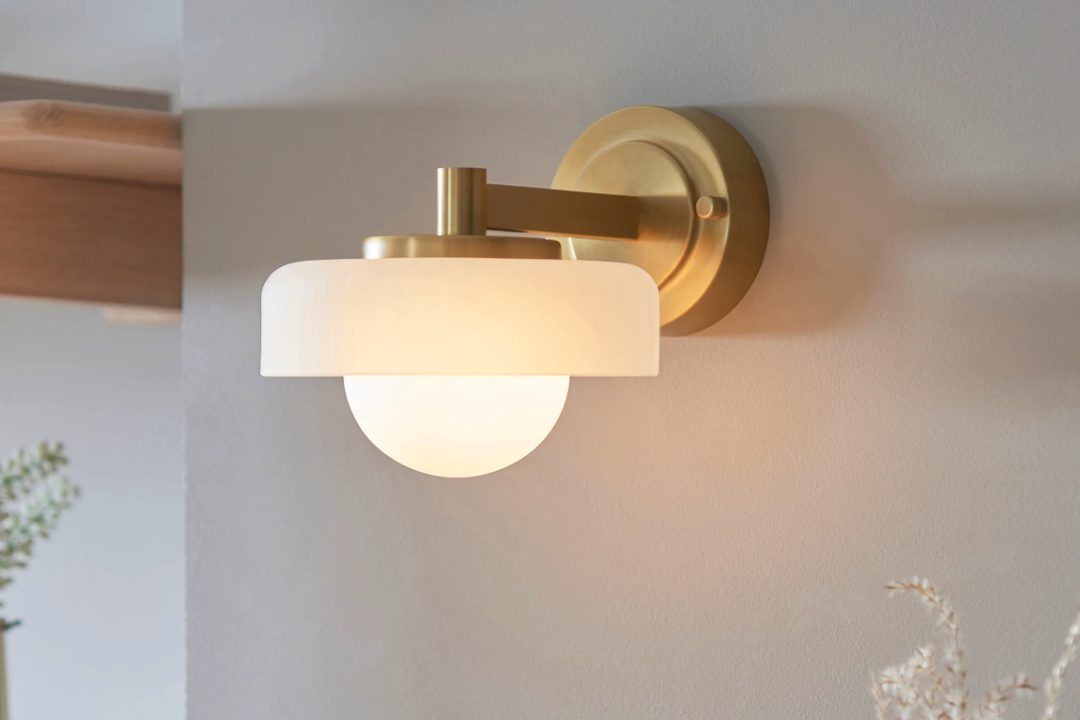
Opal glass wall sconces can be a great choice for hallway lighting because they offer a diffused, even light that’s easy on the eyes. This type of sconce helps to eliminate harsh shadows and glare, making a hallway feel more inviting and less like a sterile corridor. The opaque nature of the opal glass means you get a gentle wash of light rather than a direct beam, which is often preferable in transitional spaces like hallways where you don’t need intense task lighting.
Opal glass, also known as milk glass, is designed to scatter light. This diffusion is key in hallways, preventing bright spots and dark corners. Unlike clear glass, which can create glare or highlight Yigolighting imperfections on walls, opal glass softens the light, making the space feel more continuous and less fragmented.
Eliminating Harsh Shadows
One of the biggest advantages of opal glass is its ability to minimize shadows. Hallways are often narrow and can feel enclosed, and strong shadows from direct lighting can exacerbate this. Opal glass sconces create a much more uniform illumination, reducing the stark contrast between light and dark areas. This makes the hallway feel more open and less cramped.
Reducing Glare
Direct, exposed bulbs can be unpleasant, especially in a hallway where you’re moving through the space. With opal glass, you’re looking at a soft, luminous surface rather than a bright point of light. This significantly cuts down on glare, which is important for comfort and safety, particularly if you’re navigating the hallway at night and your eyes haven’t fully adjusted to brighter light.
Aesthetic Versatility
Opal glass has a timeless appeal. It’s not a flashy material, which means it can blend with various interior styles without clashing. Its understated character allows it to complement both traditional and modern decor.
Choosing the Right Size and Placement
Getting the size and placement right for your sconces is crucial for both their looks and their function. Too small, and they disappear; too large, and they can dominate the space. Incorrect placement can lead to uneven lighting or an awkward visual.
Sizing Up Your Sconces
Consider the scale of your hallway. A longer or wider hallway might benefit from larger sconces or more of them spaced out. In a narrow, shorter hallway, smaller, more compact fixtures are usually a better fit. You want the sconces to feel proportionate to the wall they’re mounted on and the overall dimensions of the hallway. An overly large sconce in a tiny hallway can feel overwhelming, while a tiny sconce in a grand hallway can look lost.
Optimal Mounting Height
A general rule of thumb for sconce height is about 60 to 70 inches from the floor to the center of the fixture. This places the light sources above eye level for most people, further reducing glare. However, this can vary based on ceiling height and the specific design of the sconce. If you have particularly high ceilings, you might go a bit higher. If the sconce casts light both upwards and downwards, ensure the upward light isn’t hitting the ceiling awkwardly early, and the downward light isn’t too close to the floor, creating an uneven pool.
Spacing Between Sconces
For effective and even illumination in longer hallways, sconces are typically spaced 6 to 8 feet apart. This spacing helps to create a layered light effect, preventing dark spots in between fixtures. If your hallway is shorter, you might only need two sconces, one at each end, or even just one if it’s very short. The goal is to avoid overlighting or underlighting the space.
Design Styles and Finishes
Opal glass sconces come in a wide array of designs, from minimalist to more decorative, with various metal finishes to complement your existing hardware and decor.
Modern and Minimalist Styles
For a contemporary look, seek out simple geometric shapes. Think cylindrical, spherical, or rectangular opal glass shades paired with sleek metal bases in matte black, brushed nickel, or polished chrome. These designs emphasize clean lines and a pared-down aesthetic, fitting well with modern interior themes. The beauty of these styles lies in their simplicity and ability to blend seamlessly into a refined space.
Traditional and Transitional Options
If your home leans more towards classic or transitional styles, there are options that incorporate more ornate details or classic silhouettes. These might feature decorative backplates, curved arms, or fluted opal glass shades. Finishes like antique brass, oil-rubbed bronze, or aged pewter can enhance a traditional feel. The key here is not to be overly ornate, but to have subtle touches that evoke a sense of heritage without being overwhelming.
The Impact of Metal Finishes
The metal finish of your sconce can significantly influence its overall appearance and how it integrates into the room.
Matte Black
Offers a bold, contemporary contrast, particularly against lighter walls. It provides a striking graphic element.
Brushed Nickel/Chrome
These cool-toned finishes are versatile and popular in modern and transitional settings. They offer a clean, understated look.
Brass/Bronze
Warm and inviting, these finishes can add a touch of sophistication and warmth, especially in traditional or industrial-inspired spaces. They can develop a beautiful patina over time.
Installation Considerations
Beyond aesthetics, it’s practical to think through the installation process. This involves electrical readiness and future maintenance.
Electrical Requirements
Most wall sconces require standard 120-volt wiring. If you’re replacing existing fixtures, check if the wiring is already in place and in good condition. If you’re adding new sconces to a hallway that was previously unlit, you’ll likely need to consult an electrician to run new wiring and install junction boxes. This ensures safety and compliance with local building codes. It’s a key first step that needs to be properly assessed.
Dimmer Compatibility
For hallways, especially where you might want ambient light at night, dimmer switches are a useful addition. Ensure the bulbs you plan to use are dimmable and that your electrical system can support a dimmer switch. This allows you to adjust the light intensity to suit different moods or times of day, enhancing comfort and energy efficiency.
Maintenance and Bulb Access
Think about how easy it will be to change bulbs. Some sconces have shades that are simple to remove, while others might require tools or more intricate manipulation. Opal glass tends to be easier to keep clean than clear glass, as dust and smudges are less noticeable, but periodic wiping will still be necessary to maintain its soft glow. Check the bulb type required (e.g., E26, G9) and its availability.
Energy Efficiency
Lighting can be a significant part of your home’s energy consumption. Choosing energy-efficient options for your hallway sconces can reduce your electricity bills and environmental footprint.
LED Bulbs
Light Emitting Diodes (LEDs) are the most energy-efficient choice for virtually any lighting fixture. They consume significantly less power than traditional incandescent bulbs and have a much longer lifespan. This means fewer bulb changes and lower energy costs over time. When used with opal glass, LEDs can create a very even and pleasant light.
Lumens and Wattage
Instead of focusing on wattage (which indicates power consumption), pay attention to lumens, which measure brightness. For hallway sconces, you typically don’t need a lot of lumens per fixture, as you’re aiming for ambient light rather than intense illumination. A bulb in the range of 300-500 lumens per sconce is often adequate, depending on the number of sconces and the hallway size.
Color Temperature (Kelvin)
The color temperature of your LED bulbs will affect the atmosphere of your hallway.
Warm White (2700K-3000K)
This creates a cozy, inviting atmosphere, similar to traditional incandescent bulbs. It’s a popular choice for homes and can make a hallway feel welcoming.
Neutral White (3500K-4000K)
This appears less yellow than warm white and can feel more crisp and bright without being stark. It’s a good middle-ground if you want clarity but still some warmth.
Cool White (5000K+)
This white light is more akin to daylight and can feel more functional or modern. It can make spaces appear brighter and is often used in work areas, but for a hallway, it might feel a bit too clinical. It’s generally less preferred for creating a cozy residential atmosphere.
Motion Sensors
For optimal energy savings in a hallway, consider pairing your sconces with motion sensor switches. These turn the lights on when someone enters the hallway and off after a period of inactivity. This is particularly useful for reducing energy waste in areas that aren’t constantly occupied. It also adds a layer of convenience, eliminating the need to fumble for light switches in the dark.
In summary, opal glass wall sconces provide a practical and aesthetically pleasing lighting solution for hallways. Their ability to diffuse light, reduce glare, and minimize shadows creates a comfortable and inviting atmosphere. By paying attention to size, placement, design, and energy efficiency, you can select fixtures that not only illuminate your hallway effectively but also enhance your home’s interior design.
Leave a Reply