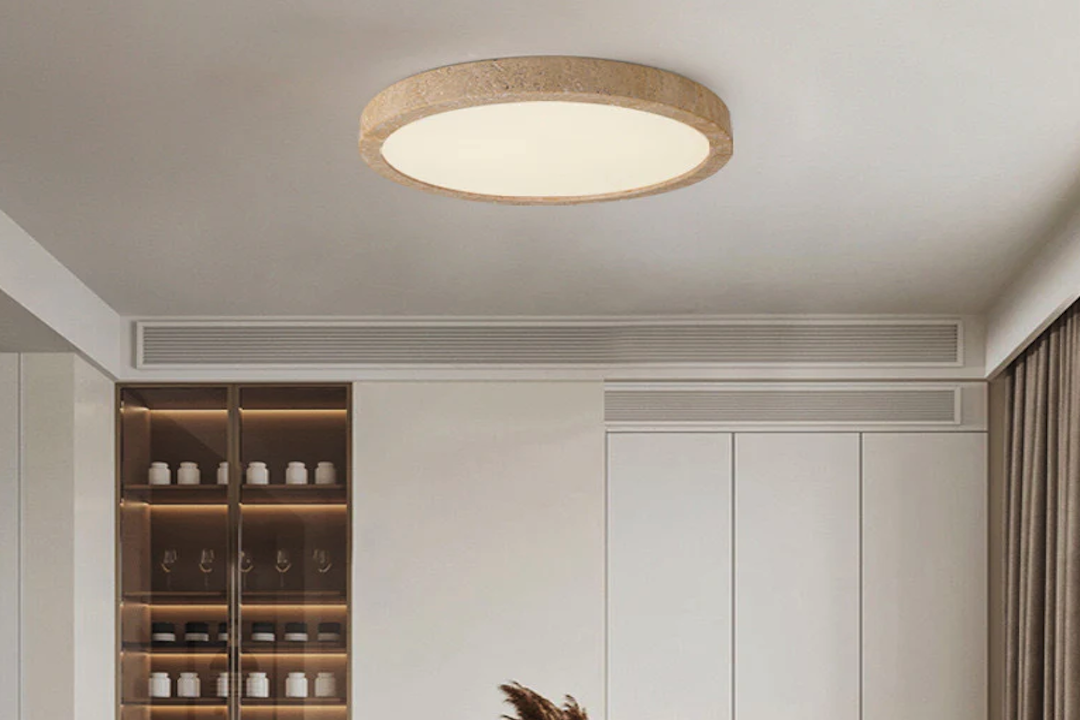
So, you’re drawn to that minimalist vibe and wondering if a natural stone texture ceiling light can actually fit in? Absolutely. It’s not just possible, it’s a smart move for adding a touch of grounded elegance without cluttering your space. Think of it as a subtle statement piece that brings the quiet strength of natural materials into your thoughtfully curated, uncluttered home.
Why Natural Stone Texture Works in a Minimalist Home
Minimalism is all about intentionality. Every piece should serve a purpose and contribute to the overall feeling of calm and order. Natural stone texture, with its inherent organic qualities, offers a refreshing counterpoint to the clean lines and neutral palettes often found in minimalist interiors. It’s not about adding more “stuff,” but about choosing materials that have a story and a sense of permanence.
The Appeal of Texture
In a minimalist design, where excessive ornamentation is avoided, texture becomes a crucial element. Instead of relying on bold colors or intricate patterns, a natural stone texture introduces visual and tactile interest. This can be anything from the subtle veining of marble to the rougher, more elemental feel of slate or granite. It engages the senses in a quiet, sophisticated way that amplifies the feeling of a well-composed space.
Bringing the Outdoors In
Minimalist design often embraces a connection to nature. Natural stone seamlessly bridges the gap between indoor and outdoor environments. A ceiling light Yigolighting with this kind of texture can evoke the feeling of being in a serene landscape, bringing a sense of grounding and tranquility to your living area. It’s a way to incorporate organic elements without the need for plants or oversized natural decor.
Durability and Timelessness
A hallmark of minimalist philosophy is investing in quality pieces that last. Natural stone, by its very nature, is incredibly durable and ages beautifully. This translates directly to a ceiling light. You’re not just buying a light fixture; you’re acquiring an object that will likely outlast fleeting trends and continue to enhance your home for years to come.
Practical Considerations for Choosing Your Light
When you’re aiming for a minimalist aesthetic, even your lighting choices need to be strategic. A natural stone texture ceiling light is no exception. It’s about finding that perfect balance between form, function, and the overall mood you want to create.
Material: What Kind of “Stone” Are We Talking About?
“Natural stone texture” can encompass a range of materials, and it’s important to understand the differences.
Real Stone vs. Stone-Effect Materials
- Genuine Stone: This is the real deal – slabs or pieces of actual rock. Think marble, granite, slate, or travertine. When used for a lampshade or fixture, it offers unparalleled authenticity and a unique grain pattern. However, it can be heavier and more expensive.
- Stone-Effect Materials: These are often high-quality composites, resins, or even textured glass that mimic the look and feel of natural stone. They can be lighter, more affordable, and offer more flexibility in terms of shape and design. The key is to look for realistic finishes that don’t feel artificial.
Veining and Pattern Variation
- Subtle veining: For a truly minimalist look, opt for stone textures with subtle, understated veins. Overly dramatic or chaotic patterns can detract from the clean aesthetic.
- Uniformity: If you prefer a more consistent look, some engineered stone-effect materials can offer greater uniformity than natural stone, where each piece is truly unique.
Size and Scale: Less is Often More (But Not Always)
The scale of your ceiling light is crucial in a minimalist space. An oversized fixture can overwhelm a small room, while a too-small one might look lost.
Determining the Right Size for Your Space
- Room dimensions: A good rule of thumb is to consider the length and width of your room in feet. Add those numbers together, and that sum in inches can be a starting point for the diameter of your largest ceiling fixture.
- Ceiling height: Taller ceilings can accommodate slightly larger or more visually substantial fixtures, while lower ceilings call for more streamlined designs that don’t hang too low.
The Impact of Shape
- Geometric forms: Simple geometric shapes like cylinders, spheres, or clean-lined rectangles often complement minimalist aesthetics best.
- Organic shapes: Some natural stone textures lend themselves to more organic, flowing shapes. If you choose this, ensure the overall form remains clean and uncluttered.
Light Quality: How it Illuminates Your Space
The actual light emitted by the fixture is just as important as its appearance.
Warmth and Color Temperature
- Warm white (2700K-3000K): This is generally preferred for living spaces as it creates a cozy, inviting atmosphere. Stone textures can sometimes diffuse light, so a warmer tone helps prevent the space from feeling sterile.
- Neutral white (3500K-4000K): This can work in kitchens or bathrooms where a brighter, more task-oriented light is needed, but it’s important to ensure the stone texture doesn’t make it feel too clinical.
Diffusion and Glare
- Satin or frosted finishes: These help to soften the light and prevent harsh glare, which is essential for maintaining a calming minimalist environment.
- Opaque stone: If the stone itself is quite opaque, consider the design to ensure adequate light distribution rather than just a dim glow. Many designs incorporate a secondary diffuser.
Integrating Stone Texture Lights into Different Minimalist Styles
Minimalism isn’t a one-size-fits-all approach. Your natural stone texture ceiling light can be adapted to various interpretations of the style.
Scandinavian Minimalism
This style often features a light, airy feel, with an emphasis on natural materials and functional simplicity.
Light and Airy Stone Options
- Light-colored marbles: Think Carrara or Calacatta with subtle veining.
- Travertine: Its earthy tones and characteristic pitted texture can add warmth.
- Textured concrete with stone aggregate: This offers a modern, industrial-leaning take.
Soft, Diffused Light
Opt for fixtures that cast a gentle, ambient light. The stone texture should enhance, not overpower, the inherent brightness of Scandinavian design.
Japandi (Japanese-Scandinavian Fusion)
This style blends the serenity of Japanese design with the warmth of Scandinavian living. It’s about harmony, simplicity, and natural elements.
Earthy and Muted Tones
- Slate: Its deep, rich tones can add a touch of drama without being overwhelming.
- Basalt: Known for its dark, subtle texture.
- Textured ceramic with a matte finish: Mimicking the look of aged stone.
Emphasis on Craftsmanship and Natural Forms
Look for lights where the stone texture feels artisanal and integrated into a simple, functional form. The connection to nature is paramount here.
Industrial Minimalism
Characterized by raw materials, exposed elements, and a utilitarian feel.
Rougher, More Elemental Textures
- Unpolished granite: With its flecked appearance and robust feel.
- Dark, textured stones: Like honed black granite or dark slate.
- Concrete with visible stone chips: Emphasizing the raw construction.
Stronger Light and Angular Designs
While still minimalist, industrial spaces can handle more visually substantial fixtures. The stone texture here should feel grounded and
unpretentious.
Placement Strategies for Maximum Impact
Where you place your natural stone texture ceiling light matters, especially in a minimalist home where every element is considered.
Central Fixture: The Statement Piece
In a living room or dining area, a thoughtfully chosen natural stone texture ceiling light can serve as the primary focal point.
Defining the Space
- Over a dining table: It creates a focal point and enhances the dining experience.
- In the center of a living room: It can anchor the furniture arrangement.
Balancing with Simplicity
Ensure other decorative elements in the room are kept to a minimum to allow the light fixture to truly shine. The stone’s natural pattern takes center stage.
Accent Lighting: Adding Subtle Layers
Beyond the main overhead light, consider smaller accent fixtures.
Highlighting Architectural Features
- Smaller pendant lights: With stone textures, hung in a cluster or line over a kitchen island or a console table.
- Recessed spotlights: While not stone, their minimalist nature can complement the texture of the main fixture.
Creating Ambiance
These smaller lights add depth and layers to the lighting scheme, preventing the minimalist space from feeling flat.
In Unexpected Areas: Elevating the Mundane
Don’t limit your stone texture lights to the main living areas.
Hallways and Entryways
- A single, striking pendant: Can transform a simple hallway into a welcoming statement.
- Adding warmth to a transition space: Creates a sense of arrival.
Bedrooms
- Softer, more ambient stone textures: Can contribute to a serene bedroom retreat.
- Consider dimmable options: For mood control.
Maintenance and Longevity: Keeping it Pristine
The beauty of natural stone is its durability, but a little care goes a long way in keeping your ceiling light looking its best.
Cleaning Your Stone Texture Light
The cleaning method will depend on whether you have real stone or a stone-effect material.
For Real Stone
- Gentle dusting: A soft, dry microfiber cloth is usually sufficient for regular cleaning.
- Mild soap and water: For tougher smudges, a small amount of pH-neutral dish soap mixed with water can be used. Apply with a soft cloth and rinse with a clean, damp cloth.
- Avoid harsh chemicals: Acids, abrasive cleaners, or bleach can damage the stone’s surface and sealant (if applicable).
For Stone-Effect Materials
- Follow manufacturer’s instructions: These materials are often designed for easier care.
- Soft cloths and mild cleaners: Generally safe, but always test in an inconspicuous area first.
Protecting the Finish
- Sealing (for porous stones): Some natural stones, like marble or travertine, are porous and may benefit from periodic sealing to prevent staining. This is a task for a professional or requires careful DIY application. Consult with the light fixture manufacturer or a stone specialist.
- Avoid direct impact: While durable, some stone textures can be chipped or scratched with sharp impacts.
Bulb Replacement and Safety
- LED bulbs: These are energy-efficient, long-lasting, and produce less heat, which is beneficial for any light fixture, especially those with delicate materials.
- Check wattage limits: Always adhere to the recommended bulb wattage specified by the manufacturer to prevent overheating.
- Turn off power: Always ensure the power is switched off at the breaker before attempting to change a bulb or perform any cleaning or maintenance on your ceiling light.
By thoughtfully incorporating a natural stone texture ceiling light, you can introduce a unique element of texture, grounding, and timeless beauty into your minimalist home, proving that sometimes, the most impactful statements are the quietest ones.
Leave a Reply