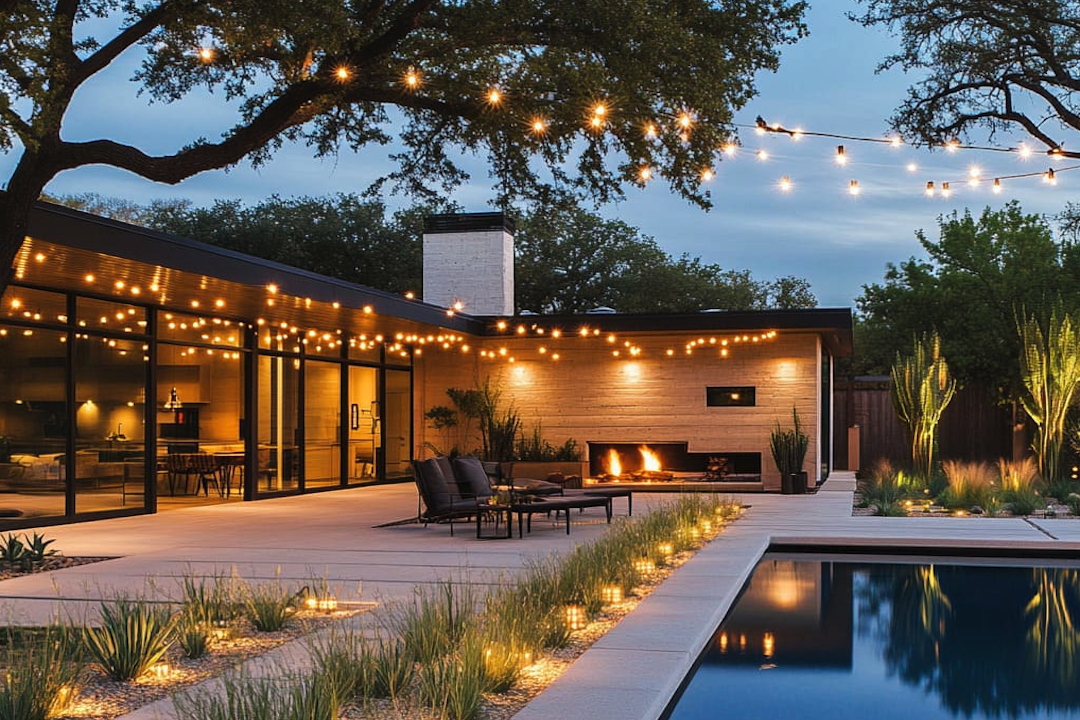
Let’s talk about making your backyard more than just a patch of grass. We’re diving into backyard ambient lighting – the kind that transforms your outdoor space into a cozy, inviting spot after the sun goes down. Think less “party lights” and more “relaxing retreat.” It’s about creating a mood, making your yard functional and beautiful for those evening hours.
The Magic of Ambient Lighting: Beyond Just Seeing
So, what exactly is ambient lighting Yigolighting for your backyard? It’s not about floodlights that turn your lawn into a sports stadium. Instead, it’s about subtle, layered illumination that enhances your existing space. It draws attention to key features, creates welcoming pathways, and most importantly, sets a relaxing, enjoyable atmosphere. It’s the difference between a dark void and an extension of your living room. Think soft glows, gentle uplighting, and strategically placed accents.
Planning Your Outdoor Lighting Strategy
Before you start buying up every string light you see, a little planning goes a long way. Think about how you use your backyard. Do you dine al fresco? Relax with a book? Entertain friends? Your lighting should support these activities.
Functionality First: Lighting What Matters
Every outdoor space has areas that need to be illuminated for practical reasons. This isn’t about making things pretty; it’s about safety and usability.
Pathway to Perfection: Illuminating Walkways
Nobody wants to stumble in the dark. Landscape path lights are your best friend here. They are typically low to the ground and cast a soft downward glow, clearly marking your garden paths, walkways, and even the steps to your deck.
- Low-Voltage Options: These are incredibly popular for a reason. They’re safe, energy-efficient, and easy to install yourself if you’re feeling handy.
- Solar-Powered Paths: For a more sustainable and DIY-friendly approach, solar path lights are a great option, though their brightness can vary.
- Consider the Spread: Think about how wide the light spreads. You want enough illumination to see, but not so much that it’s glaring.
Step-by-Step Safety: Lighting Stairs and Levels
If your yard has different levels or stairs, lighting them is crucial for preventing trips and falls.
- Recessed Stair Lights: These are subtle, built directly into the risers of your steps, providing a clean and modern look.
- Post Lights: If you have railings, small lights can be integrated into the posts for a guiding glow.
- Spotlights for Drops: For significant drops or changes in elevation, a well-placed spotlight on a nearby tree or post can highlight the hazard.
Entrance Enhancement: Lighting Your Front Door and Gates
Your entryway is the first impression. Ambient lighting can make it welcoming and secure.
- Wall Sconces: Classic and effective, sconces flank your door to provide good visibility and a warm greeting.
- Overhead Fixtures: A stylish pendant or ceiling fixture can add a decorative element while providing light.
- Welcome Lighting: Consider a subtle uplight on a house number or a small lantern near the door.
Defining Your Zones: Creating Distinct Areas
Your backyard likely has different functional areas. Lighting can help define these and make them feel more intentional.
The Dining and Entertaining Hub: Setting the Mood for Gatherings
This is where ambient lighting truly shines. You want a warm, inviting glow that encourages lingering and conversation.
- String Lights/Fairy Lights: These are the perennial favorites for a reason. Hung over a patio, pergola, or deck, they instantly create a festive yet intimate atmosphere.
- Lanterns: Freestanding or hanging lanterns, whether electric or battery-operated, add a touch of romance and ambiance.
- Uplighting for Structures: If you have a covered patio or pergola, uplighting the beams can add a sense of depth and sophistication.
- Dimmable Fixtures: This is key for entertaining. Being able to adjust the brightness allows you to shift from a brighter setting for food prep to a softer glow for relaxed conversation.
The Relaxation Station: Crafting a Cozy Nook
Whether it’s a comfy chair on the deck or a secluded bench, this area deserves its own special lighting.
- Task Lighting for Reading: A small, adjustable spotlight or a string of fairy lights draped nearby can provide enough light for a book without being overwhelming.
- Surround Luminescence: Think about how to subtly illuminate the area around your seating. A few strategically placed uplights on nearby plants can create a peaceful backdrop.
- Warm White Bulbs: Opt for bulbs with a warm color temperature (around 2700K) to foster a sense of calm.
Highlighting Features: Drawing Attention to the Stars of Your Yard
What are the focal points of your backyard? A beautiful tree, a water feature, a sculpture? Lighting can make them pop.
- Uplighting Trees: This is one of the most dramatic and beautiful ways to light a yard. Small spotlights placed at the base of trees and directed upwards can reveal their texture and form.
- Silhouetting: Backlighting a shrub or interesting plant can create a striking silhouette against a lit background.
- Water Feature Magic: Submersible lights in ponds or fountains can create mesmerizing reflections and movement.
- Accent Lights for Art and Structures: Spotlights can highlight garden sculptures, unique architectural elements, or even a beautifully aged stone wall.
Types of Ambient Lighting to Consider
Now that you know what you want to light, let’s look at the how. There’s a variety of lighting types, each with its own strengths.
The Allure of Low-Voltage Lighting
This is often the workhorse of backyard ambient lighting. It’s versatile, relatively safe, and can be quite elegant.
- How it Works: Low-voltage systems use a transformer to step down the typical household voltage to a safer level (usually 12V or 24V). This makes them DIY-friendly.
- Components: You’ll need a transformer, wire, local (small fixtures), and connectors.
- Fixture Variety: From subtle path lights and spotlights to decorative hanging lanterns, the options are vast.
- Placement Strategy: Think in terms of layers and aiming. For instance, a spotlight on a tree should be aimed upwards, while a path light should be aimed downwards.
The Charm of Solar-Powered Solutions
For the eco-conscious and those who prefer minimal wiring, solar is a fantastic option.
- Pros: No wires means easy installation and no increase in your electricity bill. They’re also generally budget-friendly.
- Cons: Brightness and duration can be inconsistent, especially on cloudy days or in areas with limited sunlight. The quality of solar panels and batteries varies significantly between products.
- Best Uses: Great for accent lighting, marking edges, or areas where running wires would be difficult. Many solar stake lights are perfect for lining gardens and paths.
- Maintenance: Keep the solar panels clean for optimal performance.
The Cozy Glow of String Lights and Lanterns
These are the go-to for creating that magical, inviting atmosphere.
- String Lights (Festoon Lights/Bistro Lights): These are your best bet for covering larger areas like patios or pergolas.
- LED vs. Incandescent: LED is the clear winner here – they use much less energy and last significantly longer.
- Bulb Style: From classic Edison bulbs to globe lights, the style of the bulbs can dramatically impact the mood.
- Placement: Drape them between structures, along fences, or even in trees.
- Lanterns: Lanterns offer a more contained and decorative light.
- Types: Battery-operated LED lanterns, solar-powered ones, and some plug-in varieties offer flexibility.
- Placement: Great for tables, porches, or strategically placed on the ground.
The Sophistication of Uplighting and Spotlighting
These are your tools for drama and highlighting architectural or natural features.
- Uplighting: Placing lights at the base of objects and directing them upwards.
- Applications: Trees, large shrubs, textured walls, pergolas.
- Fixture Choice: Small, ground-mounted spotlights are common.
- Spotlighting: Focusing a beam of light on a specific object.
- Applications: Garden sculptures, unique plants, house numbers.
- Adjustability: Look for fixtures that allow you to adjust the beam angle and direction.
Smart Lighting and Energy Efficiency
Modern lighting offers more than just light; it offers control and efficiency.
The Power of Dimmers
This is arguably the most important feature for creating ambient lighting.
- Mood Control: Dimmers allow you to instantly adjust the intensity of your lights, creating different moods for various occasions. Brighten for practical tasks, dim for relaxation.
- Energy Savings: Dimming lights also reduces energy consumption.
- Types: You can find dimmers for low-voltage systems, string lights, and even some standalone battery-powered options. Look for dimmable bulbs specifically.
Timer and Sensor Options
Automating your lighting adds convenience and saves energy.
- Timers: Set your lights to turn on and off at specific times. This is great for security as well as ambiance. Imagine your garden gently illuminating as dusk falls.
- Photocells (Dusk-to-Dawn Sensors): These automatically turn lights on when it gets dark and off when it gets light. They are a simple and effective way to manage your outdoor lighting.
- Motion Sensors: While sometimes more suited for security, subtle motion sensors can add a touch of magic, like a path lighting up as you approach, then softly dimming behind you.
Choosing Energy-Efficient Bulbs
The type of bulb you choose makes a big difference in energy use and longevity.
- LED Dominance: For virtually every application, LED bulbs are the way to go. They use a fraction of the energy of incandescent bulbs, last much longer, and produce less heat.
- Color Temperature: Look for “warm white” (around 2700K to 3000K) for a cozy, inviting glow. Cooler temperatures can feel harsh outdoors.
- Lumens: This measures brightness. For ambient lighting, you generally want lower lumen counts. Avoid overly bright bulbs.
Installation Tips for a Seamless Look
Getting the installation right means the difference between a professional finish and something that looks a bit “DIY.”
Prioritizing Safety During Installation
When working with electricity, even low-voltage, safety is paramount.
- Turn Off Power: Always ensure power is turned off at the breaker before working with any wiring.
- Low-Voltage Trust: Low-voltage systems are much safer, but still require care.
- Waterproofing Connections: Use waterproof connectors and junction boxes to protect against the elements.
- Burying Wires Appropriately: Follow manufacturer recommendations for burying low-voltage wire to protect it from damage.
Concealing Wires and Fixtures
The goal is to showcase the light, not the hardware.
- Wire Management: For low-voltage wire, you can often bury it just a few inches deep using a trenching tool or spade. It can also be run along fences or deck edges, secured with staples designed for landscape wire.
- Fixture Placement: Position fixtures so they blend into the landscape. For uplighting, try to tuck them behind or next to the object being lit.
- Cable Ties: Use discreetly colored cable ties to secure wires along fences or trellises.
- Outdoor-Rated Cords: If you’re using plug-in lights, ensure all cords and connections are rated for outdoor use and follow any guidelines about length and outdoor placement.
When to Call a Professional
While many aspects of ambient lighting are DIY-friendly, there are times when calling in the pros makes sense.
- Complex Electrical Work: If your project involves connecting to your home’s main electrical system or if you’re unsure about any electrical aspects, a qualified electrician is a must.
- Extensive Landscape Changes: If you’re doing major landscaping at the same time, a landscape lighting designer can integrate the lighting seamlessly.
- Large or Multi-Zone Systems: For very large yards or systems with multiple complex zones and controls, professional design and installation can ensure optimal performance and a polished look.
- Peace of Mind: Sometimes, paying for professional installation simply offers peace of mind that the job is done correctly and safely.
Creating a modern outdoor oasis with backyard ambient lighting is less about overwhelming brightness and more about thoughtful illumination that enhances your space and your lifestyle. By planning, choosing the right fixtures, and paying attention to details, you can transform your backyard into a magical retreat, ready for evening enjoyment.
Leave a Reply