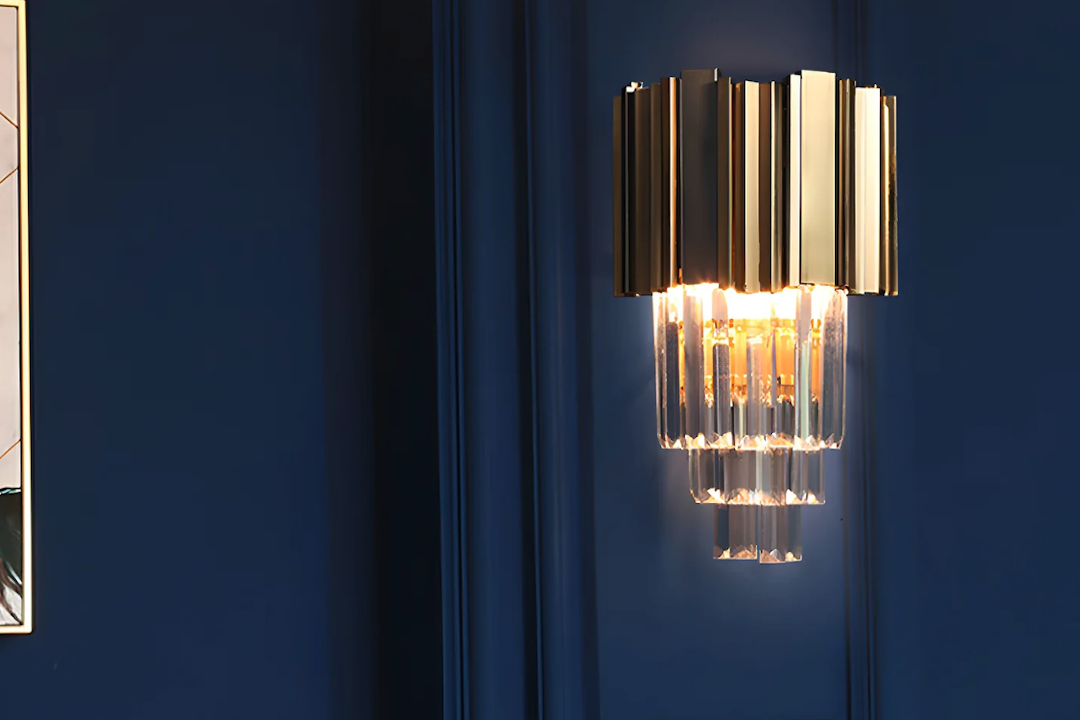
Wall sconces offer a practical and aesthetic solution for interior lighting. When combined with specific materials, their impact can be significant. The gold finish crystal wall sconce, a recurring element in design, provides illumination while also contributing to a room’s visual texture. Its characteristics make it suitable for various settings, from residential to hospitality.
Material Composition: Gold and Crystal
The gold component in a sconce Hozo typically refers to a metallic finish, not solid gold. This finish can be achieved through plating, painting, or powder coating, each method providing a distinct appearance and durability. The spectrum ranges from polished, highly reflective gold to more subdued, brushed, or antique gold tones. The choice of finish influences the overall warmth and formality of the fixture.
Crystal, in this context, usually refers to lead crystal or high-quality glass designed to mimic the refractive properties of natural crystal. Its primary function is light dispersion. The cuts and facets on the crystal refract and reflect light, creating a sparkling effect that can enhance a room’s ambiance. Synthetic crystals, often acrylic, are also used, offering a more budget-friendly alternative with varying degrees of clarity and light dispersion.
The combination of these materials is not arbitrary. Gold, a warm-toned metal, complements the cool, refractive qualities of crystal. This interplay of warm and cool tones, coupled with the contrast between an opaque metal and a translucent material, creates visual interest.
Practical Considerations for Installation
Installing a wall sconce requires attention to several details beyond mere aesthetics. Proper placement and electrical connections are paramount for both functionality and safety.
Determining Optimal Placement
The placement of a gold finish crystal wall sconce impacts its effectiveness both as a light source and a decorative element.
Height and Eye Level
For general ambient lighting, sconces are typically installed at eye level, or slightly above, to prevent direct glare. This usually translates to a height of approximately 60 to 70 inches from the floor, though this can vary based on ceiling height and the scale of the room. In hallways, uniform placement at consistent intervals can create a guiding light path.
Proximity to Other Elements
Consider the sconce’s relationship to furniture, artwork, and architectural features. If flanking a mirror or piece of art, ensure adequate spacing to avoid visual clutter. In bathrooms, sconces placed beside a vanity mirror can provide flattering, shadow-reducing illumination for individual grooming. Avoid placing them too close to corners, which can limit light spread and create harsh shadows.
Room Functionality
The intended use of the room influences placement. In a living room, sconces can supplement overhead lighting, creating layered illumination. In bedrooms, they can serve as reading lights or provide soft ambient light. For entranceways, a single sconce or a pair can serve as a welcoming element. The goal is to integrate the sconce into the existing lighting scheme, not just to add another light source.
Electrical Requirements
Proper electrical installation is a non-negotiable aspect of sconce integration.
Wiring and Junction Boxes
Most wall sconces are hardwired, meaning they connect directly to a household electrical circuit. This requires a dedicated junction box within the wall at the sconce’s intended location. If no junction box exists, one must be installed by a qualified electrician, which may involve cutting into drywall and running new electrical lines. DIY installation without proper knowledge of electrical codes can be hazardous.
Dimmer Compatibility
Many gold finish crystal wall sconces are compatible with dimmer switches. This allows for precise control over light intensity, enabling the user to adjust the room’s mood and functionality. Ensure that both the sconce and the chosen light bulb are compatible with dimming systems. LED bulbs, for instance, often require specific dimmer types.
Bulb Selection
The type of bulb used drastically affects the light quality emitted by the crystal. Incandescent bulbs produce a warmer light, while LEDs offer energy efficiency and a wider range of color temperatures, from warm white to cool white. Consider the bulb’s lumen output (brightness) and Kelvin rating (color temperature) in relation to the desired ambiance of the room. Clear bulbs often enhance the sparkle of the crystal more effectively than frosted bulbs.
Design Integration: Harmonizing with Decor
A gold finish crystal wall sconce is a distinctive element. Its integration requires consideration of the existing decor to ensure visual cohesion.
Complementary Styles
The inherent character of gold and crystal lends itself to certain design aesthetics. However, with careful selection, it can adapt to others.
Traditional and Classical Interiors
In traditional settings, the sconce often finds its most natural home. Its ornate details, reflective surfaces, and classic material combination align well with furnishings that feature intricate carvings, rich textiles, and historical motifs. Paired with dark wood, damask patterns, or antique furniture, the sconce enhances the sense of luxury and established elegance. Look for sconces with more elaborate crystal arrangements, perhaps in a candelabra style, and a more antique or brushed gold finish.
Transitional Spaces
Transitional design, a blend of traditional and contemporary elements, can accommodate these sconces. Here, the key is balance. A gold and crystal sconce with cleaner lines and a less ornate crystal arrangement can bridge the gap between classic and modern. It can add a touch of formality to a more streamlined room without appearing out of place. The gold finish might be a polished, less antiqued tone, to reflect a more contemporary sensibility.
Modern and Contemporary Accents
While less common, a gold finish crystal sconce can function as an intentional contrast in modern or contemporary spaces. In this context, it acts as a statement piece, introducing a touch of glamour and texture against minimalist backdrops. Choose a sconce with a very simple, geometric form; perhaps just a few large, precisely cut crystals with a clean, polished gold frame. The contrast itself becomes part of the design, preventing the room from feeling sterile.
Color Palettes and Metallic Accents
The interaction of the sconce with a room’s color palette and other metallic elements is critical for a cohesive design.
Warm and Cool Tones
Gold is a warm metallic tone. It generally pairs well with other warm colors such as creams, beige, browns, and deeper reds or oranges, creating a rich and inviting atmosphere. However, it can also create a striking contrast with cool colors like blues, greens, and grays. This contrast, when managed judiciously, can add depth and sophistication. For example, a gold sconce against a deep navy wall can be quite impactful. The crystal, being often colorless or clear, acts as a neutral element, reflecting the surrounding colors.
Mixing Metals
The traditional rule of not mixing metals in a single room has largely been discarded in contemporary design. However, deliberate mixing is key. When incorporating a gold finish crystal sconce, consider the other metallic finishes present in the room – perhaps door handles, furniture legs, or other light fixtures.
Harmony vs. Contrast
For harmony, introduce other gold accents in the room, perhaps picture frames or decorative objects, to tie the sconce into the overall scheme.
For contrast, one might pair gold with matte black or bronze. The gold sconce then becomes a focal point against the more subdued metallic elements. Ensure that the varying finishes complement, rather than clash, in terms of their undertones and intensity. For instance, a very high-shine polished gold might not integrate as smoothly with a heavily antiqued bronze as a brushed gold might.
Maintenance and Longevity
To preserve the aesthetic appeal and functionality of a gold finish crystal wall sconce, regular maintenance is required.
Cleaning Procedures
The materials – gold finish and crystal – each demand specific cleaning methods to prevent damage.
Gold Finish Care
The gold finish, regardless of its application method, is susceptible to abrasions and chemical damage. For routine cleaning, a soft, dry microfiber cloth is often sufficient to remove dust. If the finish requires more extensive cleaning, use a slightly damp cloth with plain water, then immediately dry thoroughly to prevent water spots or tarnishing. Avoid abrasive cleaners, ammonia-based products, or harsh chemicals, which can strip or dull the finish. For specific types of gold plating or coating, consult the manufacturer’s cleaning recommendations. Consistent, gentle cleaning prolongs the finish’s luster.
Crystal Cleaning
Crystal, with its numerous facets, is designed to sparkle. Dust and smudges diminish this effect. For routine dusting, a feather duster or compressed air can remove loose particles. For a more thorough clean, the crystals may need to be wiped down. A solution of mild soapy water or a specialized crystal cleaner applied with a soft, lint-free cloth or a dedicated crystal cleaning glove can be effective. Some crystals may be removable for easier cleaning, which allows for careful hand-washing and drying. Always dry crystals immediately after cleaning to prevent water spots, which can be visible and detract from the brilliance. For intricate designs, a soft brush designed for delicate items can help reach crevices.
Addressing Common Issues
Over time, certain issues may arise with wall sconces, which can often be addressed with simple measures.
Diminished Sparkle
If the crystal’s sparkle appears dull, the most common culprit is accumulated dust or residue. A thorough cleaning, as described above, will typically restore its brilliance. In rarer cases, chemical exposure or prolonged exposure to harsh sunlight can etch or damage the crystal surface, in which case replacement might be the only solution.
Loose Components
Sconces can experience loosened screws over time due to vibrations or frequent cleaning. Periodically check that all screws securing the sconce to the wall bracket and any internal components are tightened. Do not overtighten, as this can strip threads or crack materials. If glass or crystal components become loose, ensure their fasteners (e.g., small screws, clips) are secure.
Electrical Malfunctions
Any electrical issue, such as flickering lights, non-functional bulbs, or unexplained power outages related to the sconce, should be addressed by a qualified electrician. Attempting to repair electrical problems without proper training can be dangerous. Regular bulb replacement is a normal part of maintenance, but if bulbs continually burn out prematurely, this may indicate a deeper electrical issue.
Impact on Ambiance and Mood
Beyond its direct function of emitting light, a gold finish crystal wall sconce significantly influences a room’s atmosphere due to its distinctive illumination properties.
Light Quality and Dispersion
The way light interacts with the crystal elements fundamentally shapes the room’s character.
Refraction and Reflection
The primary function of the crystal elements is to refract and reflect light. As light passes through the faceted crystal, it bends and splits into its component colors, creating miniature rainbows and intricate patterns of light on nearby surfaces. This optical phenomenon adds a dynamic, almost ethereal quality to the illumination. The greater the number and precision of the facets, the more pronounced this effect.
Softening and Scattering
Unlike a bare bulb, which can produce harsh, direct light, the crystal diffuses and scatters the light. This diffusion softens the light output, reducing glare and creating a more comfortable ambient glow. The light is distributed more widely and evenly across the immediate area, contributing to a sense of warmth and intimacy. This indirect illumination can highlight architectural details or artworks without creating sharp shadows.
Shimmering Effect
The combination of refraction, reflection, and diffusion creates a characteristic shimmering effect. This isn’t a steady, uniform light, but rather one that seems to dance and sparkle, particularly in rooms with movement or subtle air currents. This movement of light contributes to a lively and engaging atmosphere, adding a sense of luxury and visual texture.
Evoking Specific Emotions and Feelings
The aesthetic qualities of a gold finish crystal wall sconce can contribute to the emotional landscape of a room.
Luxury and Sophistication
The materials themselves – gold and crystal – are historically associated with opulence and refinement. Gold evokes warmth and preciousness, while crystal suggests clarity and brilliance. Together, they project an image of luxury and sophistication, elevating the perceived value of the surrounding space. This contributes to a sense of grandeur, even in a moderately sized room.
Glamour and Elegance
The shimmering quality of the light, combined with the reflective nature of the materials, imparts a sense of glamour. It is an aesthetic that calls to mind classic Hollywood or grand ballrooms, creating an atmosphere of understated drama and elegance. The sparkle adds a celebratory tone, making the space feel special and inviting.
Warmth and Intimacy
Despite its glamorous associations, the warm tone of the gold finish coupled with the softened, scattered light from the crystal can also foster a feeling of intimate warmth. When dimmed, the sconce contributes to a cozy and inviting ambiance, suitable for relaxation or quiet conversation. The light isn’t stark, but rather enveloping, enhancing a sense of comfort. This makes it suitable for spaces where a welcoming and personal atmosphere is desired.
Leave a Reply