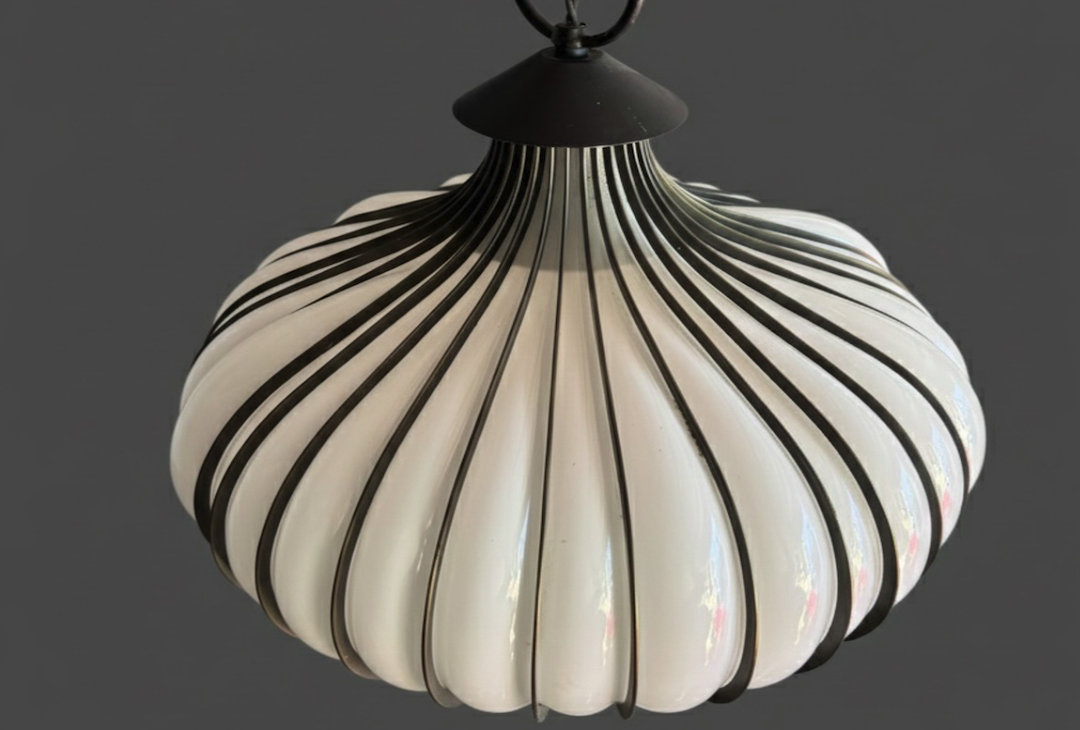
Let’s explore the attributes of a particular type of ornamental illumination device, often characterized by its onion-like form and constructed with glass. This type of fixture, when employed, can contribute a degree of refinement to its surroundings. The following examination will delve into its structural composition, historical context, functional aspects, aesthetic considerations, and practical implementations.
Glass Types and Their Properties
The glass employed in these fixtures is a primary determinant of their visual appeal and durability. Common variations include:
blown glass
This artisanal method involves shaping molten glass by inflating it with a blowpipe. The process allows for organic, fluid forms, making each piece potentially unique. Variations in thickness and air bubbles can be intentional design elements.
Soda-lime glass
This is the most prevalent type of glass, offering a balance of clarity, workability, and cost-effectiveness. Its transparency allows light to pass through with minimal distortion, illuminating the space below.
Borosilicate glass
Known for its thermal shock resistance and chemical durability, borosilicate glass is often used when the fixture might be exposed to varying temperatures or cleaning agents. This type of glass can also offer superior clarity and resistance to yellowing over time.
Molded glass
In contrast to blown glass, molded glass is poured into a pre-designed mold. This method facilitates mass production and the creation of intricate patterns and textures directly into the glass surface.
Pressed glass
This technique involves pressing molten glass into a mold with a plunger. It’s efficient for creating decorative relief patterns and dimensional features on the glass for light diffusion.
Etched glass
Surface treatments, such as etching, can be applied to alter the light Nolowa transmission properties of the glass. Acid etching creates a frosted or satin finish, softening the light and obscuring the light source for a diffused glow. Sandblasting is another method for achieving a similar effect.
Framing and Support Structures
The glass component of the onion glass light fixture is typically supported by a metallic framework. The design and material of this frame significantly influence the overall aesthetic and structural integrity.
Metal Alloys and Finishes
The choice of metal impacts both the fixture’s longevity and its visual contribution to a space.
Brass
Often used for its lustrous appearance and corrosion resistance, brass can be polished to a high sheen or treated with various patinas to achieve aged or darkened effects. This allows for adaptability to different interior styles, from classic to contemporary.
Bronze
Similar to brass, bronze offers a rich, warm hue. It can be left to develop a natural patina or be finished through techniques like oil-rubbing for a more controlled, antique look.
Iron
Forged or cast iron provides a robust and often more substantial frame. It is frequently finished in black, dark bronze, or other earthy tones, contributing a sense of groundedness and tradition.
Steel
Stainless steel, with its inherent durability and resistance to rust, offers a modern and clean aesthetic. It often features brushed or polished finishes, aligning well with minimalist or industrial designs.
Methods of Illumination Integration
The manner in which a light source is incorporated into the fixture is crucial for its functional output and its visual presentation.
Bulb Type Compatibility
The design of the fixture must accommodate specific types of light bulbs and their associated wattages to ensure safe and efficient operation.
Incandescent bulbs
While less common in new installations due to energy efficiency concerns, incandescent bulbs emit a warm, familiar light that can complement certain aesthetic choices.
LED bulbs
Now the standard for most lighting applications, LED bulbs offer superior energy efficiency, longevity, and a wide spectrum of color temperatures. Fixtures are designed to house LED bulbs that mimic the form factor of traditional bulbs or employ integrated LED arrays.
Halogen bulbs
These offer a brighter, whiter light than standard incandescent bulbs and are sometimes employed for their spectral output.
Diffuser and Reflector Elements
Beyond the primary glass shade, other components can be integrated to modify light distribution.
Internal diffusers
Sometimes incorporated within the onion-shaped glass, these can be frosted or opalescent layers designed to further soften and evenly distribute light, preventing harsh glare.
External reflectors
Though less common in the onion glass design which relies on the glass itself for diffusion, in some more complex variations, hidden reflectors might be employed to direct light in specific patterns.
Historical Development and Influences
The onion glass light fixture, as a distinct form, emerged from a confluence of design movements and evolving lighting technologies. Its lineage can be traced through several periods, each imparting its characteristic design sensibilities.
Early Lighting Traditions
Prior to the widespread adoption of electricity, illumination relied on oil lamps and candles. The forms of these early lighting devices laid groundwork for future decorative approaches.
Lanterns and Shades
The practical need for shielding flames and directing light led to the development of various lantern designs. These often featured glass panels within a metal frame, offering protection and some degree of light control. The forms were often utilitarian but demonstrated an early understanding of enclosed light sources.
Candle Holders and Sconces
Early candle holders, often made of metal or wood, sometimes incorporated decorative elements. Sconces, wall-mounted fixtures, provided a way to position light emitters strategically.
Oil Lamps
These were a significant step forward in portable and controllable lighting. Their decorative bases and shades, often made of glass or metal, began to explore more elaborate forms.
Kerosene Lamps
The introduction of kerosene as a fuel allowed for brighter and more consistent light. The shades for these lamps, often made of colored or patterned glass, became significant decorative objects in themselves.
The Art Nouveau Era
This artistic movement, flourishing from the late 19th to the early 20th century, embraced organic forms, flowing lines, and nature-inspired motifs. It significantly influenced decorative lighting.
Rejection of Historicism
Art Nouveau designers sought to break away from the rigid adherence to historical revival styles that characterized earlier periods. They aimed for originality and an integration of art into everyday objects.
Emphasis on Organic Shapes
The sinuous curves and naturalistic elements found in plants and flowers were translated into metalwork and glass design. This provided fertile ground for the development of fluid, bulbous forms.
Integration of Materials
Art Nouveau frequently combined different materials like glass, wrought iron, and various metals, seeking a harmonious blend of texture and color.
The Arts and Crafts Movement
Coinciding with and overlapping Art Nouveau, the Arts and Crafts movement, while sharing a concern for craftsmanship, often favored simpler, more rectilinear forms and a focus on honest material expression. However, its influence on decorative lighting is undeniable through its emphasis on handmade quality.
Honesty of Materials
The movement promoted the idea that materials should be used in a way that highlights their inherent properties. This meant embracing the natural beauty of metal and glass.
Craftsmanship and Utility
There was a strong belief in the aesthetic merit of well-made, functional objects. Lighting fixtures were designed to be both practical and visually pleasing.
Mid-Century Modern and Beyond
Later design eras continued to re-interpret and adapt earlier forms. Post-war design often favored clean lines and functionalism, but the enduring appeal of the onion shape has seen it integrated into a variety of modern contexts.
Retro and Vintage Revivals
There have been periodic resurgences of interest in the aesthetic sensibilities of Art Nouveau and early 20th-century design, leading to renewed appreciation for fixtures with classic onion glass forms.
Contemporary Adaptations
Modern designers often incorporate the onion glass aesthetic with updated materials and technologies. This can involve sleeker metal finishes, more minimalist framing, and the integration of LED lighting systems.
Functional Considerations and Lighting Principles
Beyond its decorative potential, an onion glass light fixture serves a primary purpose: to illuminate a space. Understanding the principles of light distribution and the fixture’s interaction with light is crucial.
Light Distribution and Intensity
The shape and material of the glass shade fundamentally influence how light is dispersed throughout a room.
Direct vs. Indirect Lighting
The onion shape, with its generally rounded, enclosed form, tends to diffuse light rather than concentrate it in a single direction.
Diffusion
The frosted or textured surface of the glass acts as a barrier to direct light, scattering it in multiple directions. This creates a softer, more ambient illumination, reducing the harshness of a bare bulb.
Downward Illumination
While primarily diffusive, the opening at the bottom of the fixture allows for a controlled amount of light to be directed downwards, providing functional task lighting for the area directly beneath it.
Glare Reduction
One of the significant benefits of using a diffusive glass shade is its ability to mitigate glare.
Softening the Light Source
The glass acts as a veil, obscuring the direct view of the filament or LED diodes. This is particularly important in areas where people spend extended periods, such as living rooms or dining areas.
Creating an Inviting Atmosphere
By minimizing glare, the fixture contributes to a more comfortable and inviting visual environment. This is a key aspect of effective interior lighting design.
Color Rendering
The type of glass and its treatment can affect how colors appear under the fixture’s light.
Color Temperature
Different glass materials can subtly alter the perceived color temperature of the light. A clear glass will present the bulb’s natural color temperature most accurately, while frosted or colored glass might slightly warm or cool it.
Color Rendition Index (CRI)
While the shade itself does not generate light, the bulb it houses will have a specific CRI. The glass’s transparency will affect how well this native CRI is transmitted. A clear glass ensures the bulb’s native CRI is experienced, while frosted glass might slightly reduce the perceived accuracy of color rendition due to light scattering.
Lumens and Brightness
The perceived brightness of a fixture is measured in lumens. The onion glass fixture’s design influences how effectively it delivers its lumen output into a space.
Lumen Output and Efficiency
The fixture’s design can affect how the light emitted by the bulb is utilized. A well-designed fixture maximizes the usable light output while minimizing light loss within the fixture itself.
Bulb Wattage vs. Lumen Output
It is important to consider the lumen output of the chosen bulb, not just its wattage, as modern bulbs like LEDs are significantly more efficient at producing lumens for a given wattage. The fixture’s ability to diffuse these lumens effectively will determine the overall illumination level.
Aesthetic Applications and Versatility
The onion glass light fixture, due to its distinctive form and the materials it employs, lends itself to a variety of interior design schemes. Its aesthetic appeal lies in its ability to evoke specific moods and styles.
Traditional and Classic Interiors
In rooms featuring traditional furniture and decorative elements, the onion glass fixture can reinforce a sense of history and established elegance.
Period-Appropriate Design
Fixtures with brass or bronze framing and clear or subtly frosted glass can complement Victorian, Edwardian, or Colonial revival interiors. The rounded form can echo architectural details like domes or rounded windows.
Creating Warmth and Ambiance
The diffused light emitted by these fixtures is well-suited for creating a warm and inviting atmosphere, conducive to relaxation and conversation in traditional living spaces.
Transitional Interiors
For spaces that blend elements of traditional and contemporary design, the onion glass fixture can act as a bridge, introducing a touch of classic form into a more modern setting.
Harmonizing Opposing Styles
A fixture with a cleaner metal finish, such as brushed nickel or polished chrome, combined with less ornate glass, can provide a link between more traditional furnishings and contemporary decor.
Adding Depth and Interest
The unique shape of the onion glass fixture can introduce a focal point and add visual interest to a room that might otherwise feel too uniform.
Eclectic and Bohemian Spaces
In more free-spirited or consciously curated eclectic interiors, the onion glass fixture can contribute a sense of vintage charm and artistic flair.
Statement Pieces
These fixtures can act as a standalone statement piece in an eclectic arrangement, drawing the eye and initiating conversation.
Layering Textures and Forms
The rounded, organic form of the onion glass can provide a pleasing contrast to rectilinear furniture or geometric patterns found in eclectic decor.
Dining Rooms and Kitchens
The functional aspect of the onion glass fixture makes it suitable for areas where light is needed for tasks such as eating or food preparation.
Over Dining Tables
When hung above a dining table, the diffused light can create an intimate atmosphere for meals. The height and spacing of multiple fixtures can be adjusted to suit the scale of the table and room.
Illuminating Kitchen Islands
Smaller versions of onion glass pendants can effectively illuminate kitchen islands, providing task lighting without being overly harsh. The variety of metal finishes allows integration with kitchen appliance hardware.
Entryways and Hallways
As a welcoming element, onion glass fixtures can set the tone for the rest of the home.
First Impressions
A well-placed fixture in an entryway can create a sense of warmth and anticipation as guests enter.
Navigational Lighting
In longer or darker hallways, multiple fixtures can provide sufficient ambient light for safe passage.
Installation and Maintenance Considerations
Proper installation and regular maintenance are essential for the longevity and optimal performance of any light fixture, including those with onion glass shades.
Electrical Safety and Installation
This is paramount and requires professional attention if the installer lacks adequate electrical knowledge.
Wiring and Connections
Ensuring secure and correct wiring is critical to prevent short circuits or electrical hazards. This typically involves connecting the fixture to the existing household wiring via a junction box.
Junction Box Requirements
The junction box must be rated for the weight of the fixture and should be securely mounted to the ceiling joist or a suitable structural element.
Grounding
Proper grounding of the fixture is an essential safety measure to protect against electric shock. Metal components of the fixture should be connected to the building’s grounding system.
Bulb Wattage Limits
Exceeding the manufacturer’s recommended maximum bulb wattage can lead to overheating of the fixture and the bulb, potentially causing damage or fire hazards. Always adhere to these specifications.
Hanging and Support
The weight of the fixture necessitates a secure hanging mechanism.
Ceiling Support
The fixture is typically hung from a rod, chain, or cable attached to a canopy that mounts to the ceiling. The method of attachment must be robust enough to support the fixture’s weight.
Types of Mounting Hardware
Different fixtures utilize varying mounting systems. Understanding the specific hardware provided and its intended application is important.
Cleaning and Care
The glass shade and metal components require specific care to maintain their appearance.
Glass Shade Cleaning
- Method: For light dust and smudges, a soft, lint-free cloth slightly dampened with water is usually sufficient. For more persistent grime, a mild glass cleaner can be used, applied to the cloth rather than directly to the glass to avoid overspray onto other components.
- Materials to Avoid: Abrasive cleaners, scouring pads, or harsh chemicals can scratch or damage the glass surface, particularly if it has a frosted or textured finish. Ammonia-based cleaners can sometimes damage specific metal finishes if they come into contact.
Metal Frame Cleaning
- Method (Polished Finishes): For polished brass or chrome, a soft cloth and a mild metal polish designed for the specific metal should be used.
- Method (Patinas or Aged Finishes): These finishes often require minimal cleaning. Dusting with a soft, dry cloth is generally recommended. Avoid aggressive polishing, as it can remove the intended aged patina. Consult the manufacturer’s recommendations for specific treatments of patinated or antique finishes.
- Materials to Avoid: Harsh chemicals or abrasive materials will likely damage or remove protective coatings and intended finishes on metal components.
Bulb Replacement
This is a straightforward process, but safety precautions are necessary.
Power Disconnection
Always turn off the power to the fixture at the circuit breaker before attempting to replace a bulb. This is a non-negotiable safety step.
Accessing the Bulb Housing
The method for accessing the bulb will vary depending on the fixture’s design. Some may have a screw-off base, while others might have retaining clips or require removal of the glass shade.
Bulb Type and Fit
Ensure the replacement bulb is of the correct type, base size, and wattage as specified by the fixture manufacturer. Using an incorrect bulb can lead to damage or safety issues.
Regular Inspection
Periodically checking the fixture for any signs of wear or damage is advisable.
Loose connections
Inspect the canopy and any hanging hardware for tightness.
Cracks or chips
Examine the glass shade for any damage that could compromise its integrity.
Conclusion
The onion glass light fixture represents a category of ornamental lighting that has evolved over time, drawing from various artistic and technological influences. Its distinctive form, often associated with organic shapes, offers a versatile aesthetic that can enhance a range of interior design styles. Functionally, it provides diffused, ambient illumination, contributing to comfortable and inviting spaces while reducing glare. The choice of materials, from the glass itself to the metal framing, plays a significant role in its visual character and durability. Proper installation and ongoing maintenance are key to ensuring its safety, performance, and continued aesthetic appeal. The enduring presence of this fixture type in both historical and contemporary contexts attests to its lasting appeal as an element of decorative and functional interior design.
Leave a Reply