Blog

  • Light Up Your Space: Creative Lamp Decoration Ideas for a Cozy Home

    Light Up Your Space: Creative Lamp Decoration Ideas for a Cozy Home

    When it comes to home decor, lighting plays a crucial role in creating the overall ambiance of a room. The right lighting fixtures and bulbs can transform a space, making it feel warm and inviting or bright and energetic. On the other hand, poor lighting choices can leave a room feeling dull and uninviting. Therefore, it is essential to carefully consider the lighting options for each room in your home.

    Choosing the right lighting fixtures Vidilion and bulbs is key to achieving the desired atmosphere in your space. Different types of lighting fixtures, such as chandeliers, pendant lights, and table lamps, can add character and style to a room. Additionally, selecting the appropriate bulbs with the right lighting temperature can greatly impact the overall feel of a space. By understanding the importance of lighting in home decor and making thoughtful choices, you can create a beautiful and inviting environment in your home.

    Unique Lamp Designs to Add Character to Your Room

    If you’re looking to add some personality and character to your room, unique lamp designs are an excellent choice. There are countless options available that can serve as both functional lighting sources and eye-catching decorative pieces. For example, you could opt for a lamp with an unconventional shape or design, such as a lamp that resembles a tree branch or an animal figurine.

    Another option is to choose lamps with interesting materials or textures. For instance, a lamp made from reclaimed wood or one with a mosaic glass shade can add visual interest to your space. Additionally, lamps with intricate patterns or vibrant colors can serve as focal points in a room.

    To incorporate these unique lamps into your decor, consider their placement and how they will complement the existing elements in the room. For example, if you have a minimalist aesthetic, a bold and colorful lamp could be the perfect statement piece. Alternatively, if you have a more eclectic style, you could mix and match different lamp designs to create a visually dynamic space.

    DIY Lamp Projects: How to Create Your Own Stylish Lamps

    If you’re feeling creative and want to add a personal touch to your home decor, DIY lamp projects are a great option. Creating your own lamps allows you to customize the design and choose materials that align with your style and preferences. Plus, it can be a fun and rewarding project.

    To create your own stylish lamps, you’ll need a few basic materials and tools. First, you’ll need a lamp base or structure, which can be purchased at a home improvement store or repurposed from an existing item. Next, you’ll need a lampshade or diffuser, which can be made from various materials such as fabric, paper, or even recycled materials like plastic bottles.

    To assemble the lamp, you’ll also need electrical components such as a socket, cord, and plug. These can be purchased as a kit or individually from a hardware store. Finally, you’ll need basic tools like a screwdriver, wire cutters, and pliers to complete the project.

    Once you have all the necessary materials and tools, you can follow step-by-step instructions to assemble your lamp. There are numerous online tutorials and resources available that provide detailed guidance on DIY lamp projects. By creating your own lamps, you can not only save money but also have unique and personalized lighting fixtures that reflect your style.

    Choosing the Right Bulbs for Your Lamps: A Guide to Lighting Temperatures

    When it comes to choosing the right bulbs for your lamps, it’s important to understand lighting temperatures and their effects on a room. Lighting temperature is measured in Kelvin (K) and refers to the color appearance of the light emitted by the bulb. Different lighting temperatures can create different moods and atmospheres in a space.

    Warm white bulbs have a lower Kelvin temperature (around 2700K) and emit a soft, yellowish light. These bulbs are often used in living rooms, bedrooms, and dining areas to create a cozy and inviting ambiance. On the other hand, cool white bulbs have a higher Kelvin temperature (around 4000K) and emit a brighter, bluish light. These bulbs are commonly used in kitchens, bathrooms, and workspaces to provide a more energetic and focused lighting.

    To choose the right bulbs for your lamps, consider the purpose of the room and the desired atmosphere. For example, if you want to create a relaxing and cozy bedroom, opt for warm white bulbs. If you need bright and focused lighting for a home office or kitchen, cool white bulbs would be more suitable.

    It’s also worth noting that LED bulbs are an energy-efficient and long-lasting option. They come in various lighting temperatures and can be dimmable, allowing you to adjust the brightness according to your needs. Additionally, LED bulbs produce less heat than traditional incandescent bulbs, making them safer and more environmentally friendly.

    Lighting for Different Rooms: How to Create the Perfect Atmosphere

    Each room in your home serves a different purpose, and therefore requires different lighting to create the perfect atmosphere. Here are some tips for lighting different rooms:

    1. Living Room: The living room is often the central gathering space in a home, so it’s important to have a combination of ambient, task, and accent lighting. Start with a central overhead light or chandelier to provide general illumination. Then, add table lamps or floor lamps for task lighting near seating areas. Finally, use wall sconces or picture lights to highlight artwork or decorative objects.

    2. Bedroom: In the bedroom, it’s important to have a mix of ambient and task lighting that can be adjusted according to your needs. Install a ceiling fixture with a dimmer switch to provide general illumination. Add bedside table lamps for reading or relaxing. Consider installing wall-mounted reading lights or pendant lights above the bed for a stylish and functional touch.

    3. Kitchen: The kitchen requires bright and focused lighting for cooking and food preparation. Start with recessed ceiling lights or track lighting to provide general illumination. Install under-cabinet lighting to illuminate countertops and workspaces. Consider adding pendant lights above the kitchen island or dining area for a decorative touch.

    4. Bathroom: In the bathroom, it’s important to have bright and even lighting for grooming tasks. Start with a combination of overhead lights and vanity lights around the mirror to eliminate shadows. Consider adding sconces or recessed lights in the shower or bathtub area for additional illumination.

    By considering the specific needs and functions of each room, you can create a well-lit and inviting atmosphere throughout your home.

    Lampshades: Choosing the Right Style and Material to Complement Your Decor
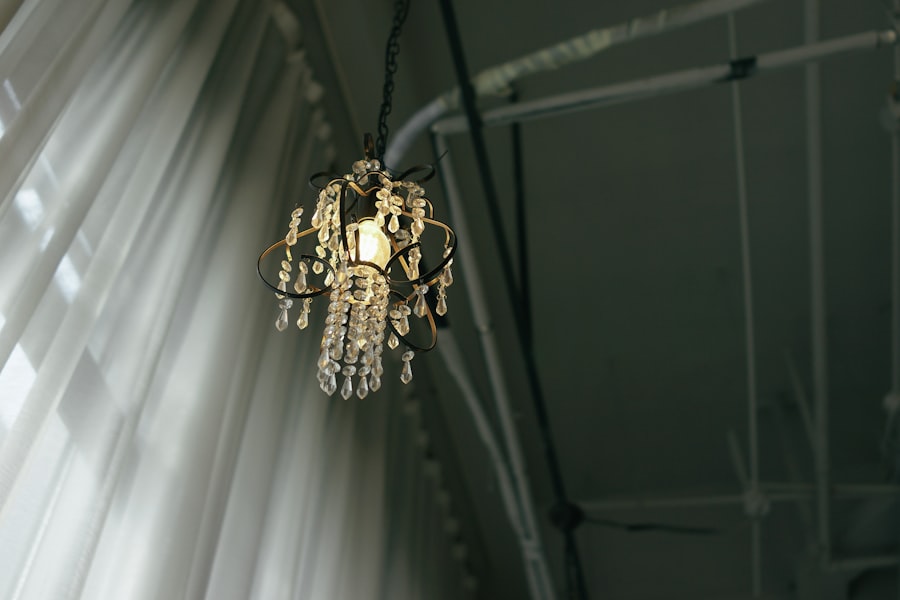
    Lampshades not only diffuse light but also play a significant role in the overall aesthetics of a lamp and its compatibility with your decor. There are various types of lampshades available, each with its own unique effects on lighting.

    1. Fabric Lampshades: Fabric lampshades are versatile and come in a wide range of colors, patterns, and textures. They can add warmth and softness to a room, making them suitable for bedrooms, living rooms, and cozy spaces. Choose a fabric that complements your decor and allows the right amount of light to pass through.

    2. Paper Lampshades: Paper lampshades are lightweight and often have intricate cut-out designs that create beautiful patterns when illuminated. They can add a touch of elegance and sophistication to a room, making them suitable for dining areas or home offices. However, paper lampshades may be more delicate and require careful handling.

    3. Glass Lampshades: Glass lampshades are timeless and can add a touch of elegance to any space. They come in various styles, from clear glass to stained glass, and can create beautiful reflections and patterns when lit. Glass lampshades are often used in traditional or vintage-inspired decor.

    When choosing a lampshade, consider the style and material that will complement your decor. Additionally, consider the opacity of the shade and how it will affect the lighting in the room. A more opaque shade will create a softer and diffused light, while a more transparent shade will allow more light to pass through, creating a brighter and more focused illumination.

    Using Light to Highlight Artwork and Decorative Objects

    Lighting can be used strategically to highlight artwork and decorative objects in your home. By directing light towards these focal points, you can draw attention to them and create a visually dynamic space.

    One way to showcase artwork is by using picture lights or wall-mounted spotlights. These fixtures can be installed above or below the artwork to provide focused illumination. Adjustable track lighting is another option that allows you to position the lights precisely where you want them.

    For decorative objects such as sculptures or vases, consider using accent lighting. This can be achieved with small spotlights or track lighting that can be directed towards the objects. Additionally, you can use uplighting to create a dramatic effect by placing lights at the base of an object and directing the light upwards.

    When using lighting to highlight artwork and decorative objects, it’s important to consider the color temperature of the bulbs. Warm white bulbs (around 2700K) are often preferred as they enhance warm colors like reds and yellows, while cool white bulbs (around 4000K) are better for cooler colors like blues and greens.

    Mood Lighting: Creating a Cozy and Relaxing Ambience

    Mood lighting is all about creating a cozy and relaxing atmosphere in your home. It involves using soft and warm lighting to create a sense of comfort and tranquility. Here are some tips for achieving mood lighting in different rooms:

    1. Living Room: Use a combination of table lamps, floor lamps, and wall sconces to create a warm and inviting ambiance. Opt for warm white bulbs (around 2700K) to create a soft and cozy glow. Consider using dimmer switches to adjust the brightness according to your mood.

    2. Bedroom: Install bedside table lamps with warm white bulbs for a soft and relaxing glow. Consider adding string lights or fairy lights around the headboard or along the ceiling for a magical and dreamy effect. Use dimmer switches to adjust the brightness to your liking.

    3. Dining Room: Install a chandelier or pendant lights with dimmable bulbs to create a warm and intimate atmosphere during meals. Consider using candlelight or flameless candles on the dining table for an extra cozy touch.

    4. Bathroom: Use wall sconces or vanity lights with warm white bulbs around the mirror to create a soft and flattering light for grooming tasks. Consider adding candles or LED strips around the bathtub area for a spa-like ambiance.

    By incorporating mood lighting into your home, you can create a cozy and relaxing environment that promotes rest and relaxation.

    Outdoor Lighting: Ideas for Illuminating Your Garden and Patio

    Outdoor lighting is not only functional but also adds beauty and ambiance to your garden and patio. It allows you to enjoy your outdoor spaces even after the sun goes down and creates a welcoming atmosphere for guests. Here are some ideas for illuminating your outdoor areas:

    1. Pathway Lighting: Install low-voltage path lights along walkways, driveways, or garden paths to provide safety and guidance at night. These lights can be placed at regular intervals or staggered for a more natural look.

    2. Deck or Patio Lighting: Use string lights or LED strips to outline the perimeter of your deck or patio. This creates a warm and inviting atmosphere for outdoor gatherings or relaxation. Consider adding lanterns or table lamps for additional lighting and style.

    3. Landscape Lighting: Highlight trees, shrubs, or architectural features in your garden with spotlights or uplights. This adds depth and visual interest to your outdoor space. Consider using colored filters to create a dramatic effect.

    4. Water Feature Lighting: If you have a pond, fountain, or waterfall in your garden, consider adding underwater lights or spotlights to illuminate the water feature. This creates a magical and enchanting effect at night.

    When planning your outdoor lighting, consider the different areas of your garden or patio and how you want to use them. Also, be mindful of light pollution and choose fixtures that direct light downward to minimize glare and unnecessary light spillage.

    Final Thoughts: How to Combine Different Lighting Sources for a Perfectly Lit Home

    To achieve a perfectly lit home, it’s important to combine different lighting sources and create layers of light. This involves using a combination of ambient, task, and accent lighting to provide both functionality and aesthetics.

    Start by considering the purpose of each room and the activities that will take place there. Then, choose the appropriate lighting fixtures and bulbs accordingly. For example, in a living room, you may have a central overhead light for general illumination, table lamps for reading or relaxing, and wall sconces to highlight artwork.

    Consider using dimmer switches wherever possible to adjust the brightness according to your needs and mood. This allows you to create different atmospheres throughout the day or for different occasions.

    Additionally, consider the placement of lighting fixtures and how they interact with each other. For example, in a kitchen, you may have recessed ceiling lights for general illumination, under-cabinet lighting for task lighting, and pendant lights above the island for a decorative touch. By strategically placing these fixtures, you can create a well-lit and visually appealing space.

    In conclusion, lighting is a crucial element in home decor that can greatly impact the overall ambiance of a room. By choosing the right lighting fixtures and bulbs, incorporating unique lamp designs, and considering factors such as lampshades and lighting temperatures, you can create a beautifully lit and inviting home. Whether you’re looking to create a cozy and relaxing atmosphere or highlight artwork and decorative objects, lighting plays a key role in achieving the desired effect. So, take the time to carefully consider your lighting choices and create a well-lit space that reflects your style and personality.
  • Revamp Your Space with Stylish Lampshade Tables

    Revamp Your Space with Stylish Lampshade Tables

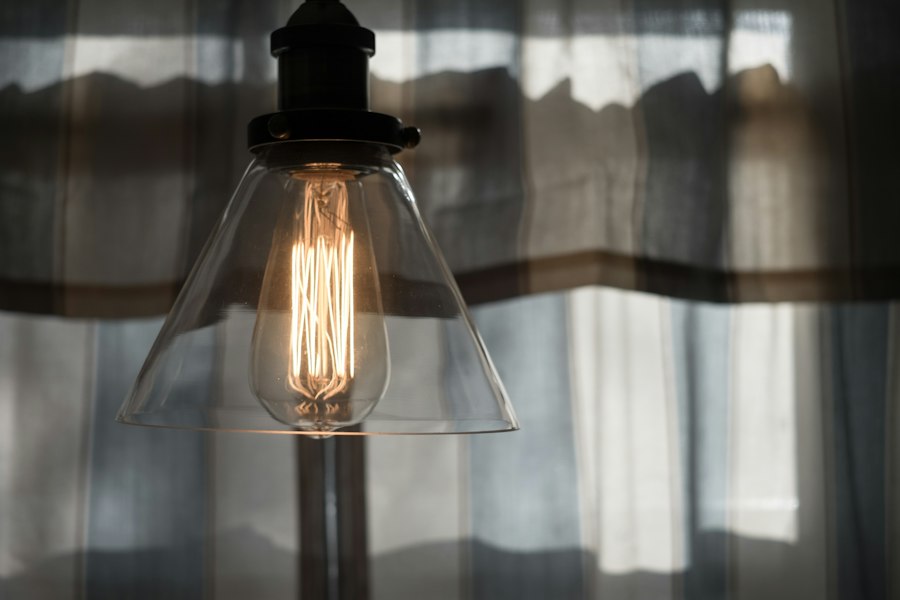
    When it comes to decorating a space, one of the most important aspects is the lighting. A good light source can enhance the ambiance of a room and make it feel more inviting. One way to achieve this effect is by using lampshade tables. These tables not only provide a functional surface to place your lamps but also come in a variety of stylish designs that can add charm and character to any space. shinelightings

    The Benefits of Lampshade Tables

    Lampshade tables offer several benefits that make them a great addition to any room. Firstly, they provide an elegant platform to display your lighting fixtures while maintaining a clutter-free surface. This makes them ideal for living spaces, bedrooms, and even home offices. Secondly, they come in a variety of styles and materials, ranging from rustic wooden designs to sleek and modern metal finishes. Lampshade tables can complement any decor style and add an extra touch of sophistication to your space.

    Types of Lampshade Tables

    There are several types of lampshade tables available to choose from, depending on your preference and style. Some popular options include:

    1. Wooden Lampshade Tables

    Wooden lampshade tables are a classic choice that will never go out of style. They come in various finishes, from light to dark and everything in between, and add warmth and charm to your space.

    2. Metal Lampshade Tables

    Metal lampshade tables are a popular choice for those who prefer a more modern aesthetic. They often feature sleek designs with clean lines and come in a variety of finishes, such as chrome, gold, and black.

    3. Glass Lampshade Tables

    Glass lampshade tables add a touch of elegance to any room. They are often made with a metal frame and a glass top, allowing you to showcase your lighting fixture while providing a stylish surface for your other decor items.

    How to Choose the Right Lampshade Table

    Choosing the right lampshade table for your space can be overwhelming, but there are a few things to consider that can make the process easier. Firstly, think about your decor style and choose a table that complements it. If you have a more traditional decor style, a wooden lampshade table might be a better fit, while a metal table would work well in a modern space. Secondly, consider the size of your room and the table’s dimensions. You want to make sure that your table is proportionate to the room and won’t take up too much space. Lastly, think about the lighting fixture you will be using and choose a table that can accommodate its size and weight.

    Lampshade tables are a great way to enhance the ambiance of your space while adding functionality and style. With so many designs and materials to choose from, t.are options for every decor style and preference. By considering factors like size, style, and material, you can choose the right lampshade table for your space and create a welcoming atmosphere that is sure to impress.

  • Illuminating Your Space with IKEA Cloud Light Ceiling: A Dreamy Way to Light Up Your Room

    Illuminating Your Space with IKEA Cloud Light Ceiling: A Dreamy Way to Light Up Your Room

    Lighting is an essential aspect of interior design that can greatly affect the ambiance and mood of a room. When it comes to choosing a light fixture, the options are limitless. However, one particular light fixture that has caught the attention of many homeowners is the IKEA Cloud Light Ceiling.

    What is IKEA Cloud Light Ceiling?

    IKEA Cloud Light Ceiling Ezhull is a pendant lamp that has a different design than any ordinary ceiling light. It is shaped like a cloud and creates the illusion of the cloud floating in the air. The lamp is made of polyester and has an opaque finish that diffuses the light into the room, providing a cozy and warm ambiance.

    The Benefits of IKEA Cloud Light Ceiling

    Here are some of the benefits of using IKEA Cloud Light Ceiling in your home:

    1. Unique Design

    The cloud-shaped design of the lamp makes it stand out from other traditional ceiling lights. It adds an element of playfulness and creativity to your room.

    2. Soft Light

    The polyester material of the lamp creates a soft and diffused light, which enhances the coziness of your space.

    3. Energy-Efficient

    IKEA Cloud Light Ceiling uses LED lights, which are energy-efficient and long-lasting. This will help you save money on your electricity bill in the long run.

    4. Easy to Install

    Installing IKEA Cloud Light Ceiling is relatively easy and can be done without the need for a professional electrician.

    Where to Install IKEA Cloud Light Ceiling?

    IKEA Cloud Light Ceiling can be installed in any room of your home. However, it works best in rooms where you want to create a cozy and warm ambiance, such as your bedroom or living room. You can also install it in your child’s room to add a playful touch to their space.

    How to Choose the Right Size?

    IKEA Cloud Light Ceiling comes in different sizes, ranging from small to large. When choosing the right size, it is essential to consider the size of your room. If you have a large room, you might want to opt for a larger size to ensure that it does not look out of place. If you have a small room, a smaller size would be appropriate.

    IKEA Cloud Light Ceiling is an excellent option for homeowners who want to add a unique touch to their space. Its cloud-shaped design and soft diffused light make it perfect for creating a cozy and warm ambiance in any room. With its energy-efficient LED lights and easy installation, it is an investment that you will enjoy for years to come.

  • Dome Floor Lamp: Illuminating Your Space with Style and Elegance

    Introduction

    Lighting is one of the most important aspects when it comes to decorating a space. It not only provides functionality but also sets the mood and atmosphere. Floor lamps are versatile lighting fixtures that can complement any style of decor. Among the different types of floor lamps, dome floor lamps are a popular choice due to their unique and elegant design. In this article, we will delve deeper into the world of dome floor lamps and discover why they are a great addition to any room.

    What is a Dome Floor Lamp?

    A dome floor lamp, as the name suggests, has a domed-shaped shade that covers the light bulb. The shade is typically made of glass, metal, or fabric and diffuses the light in a soft and ambient manner. The base of the lamp can be made of various materials such as metal, wood, or marble, providing stability and support to the shade.

    Design

    The design of a dome floor lamp is one of its most unique features. The domed shade provides a diffused light that is ideal for creating a cozy and warm atmosphere. The curved shape of the shade also adds a touch of elegance and sophistication to the lamp, making it a great accent piece for any room.

    Functionality

    Dome floor lamps are not only aesthetically pleasing but also practical. They can provide ambient lighting for a space or be used as a reading light beside a chair or sofa. Depending on the size and wattage of the bulb, they can also be used to illuminate an entire room.

    Styles

    Dome floor lamps come in a variety of styles, from modern to traditional. Here are a few styles that you might want to consider when choosing a dome floor lamp:

    Modern

    A modern dome floor lamp typically features a sleek and minimalistic design. The shade is often made of glass or metal, and the base is typically made of metal or painted wood. This style of dome floor lamp is perfect for contemporary and minimalist spaces.

    Traditional

    A traditional dome floor lamp is typically made of wood or brass and features more ornate details. The shade can be made of fabric or glass, and the base is often decorative and intricate. This style of dome floor lamp is perfect for classic and traditional spaces.

    Bohemian

    A bohemian dome floor lamp typically features a colorful and eclectic design. The shade can be made of fabric, glass, or metal, and the base can be made of wood or bamboo. This style of dome floor lamp is perfect for adding a pop of color and personality to any space.

    Placement

    Dome floor lamps can be placed in various locations throughout a room, depending on their purpose. Here are a few placement ideas to consider:

    Living Room

    A dome floor lamp can be placed beside a sofa or armchair to provide a reading light or create a cozy atmosphere. It can also be placed in a corner to illuminate the entire room.

    Bedroom

    A dome floor lamp can be placed beside a bed as a reading light or on a nightstand as a bedside lamp. It can also be placed in a corner to create a relaxing atmosphere.

    Office

    A dome floor lamp can be placed beside a desk to provide task lighting, or in a corner to illuminate the entire room. It can also be used to create a cozy and welcoming atmosphere in an office or workspace.

    Conclusion

    Dome floor lamps are a great addition to any space as they provide both functionality and style. Whether you prefer a modern, traditional, or bohemian style, there is a dome floor lamp that will suit your taste. Consider the placement of the lamp in your room and the type of lighting you need before choosing your ideal dome floor lamp. Illuminate your space with style and elegance with a dome floor lamp.

  • Designing with Cement: A Viable Solution for Modern Architecture

    The Importance of Cement in Architecture

    Cement is a crucial material in modern architecture. It is used not only for its strength and durability but also for its versatility, allowing for various design possibilities. Cement can be molded into complex shapes, used to create intricate patterns, and can be colored to suit the aesthetics of any project. From bridges to skyscrapers to iconic monuments, cement has proved to be an indispensable component of modern architecture.

    The Advantages of Designing with Cement

    One of the major advantages of designing with cement is its versatility. It can be used for exterior and interior projects, such as floors, walls, and even decorative elements. In addition, cement is durable and resistant to fire, water, and extreme weather conditions. Moreover, it is a cost-effective solution for many large-scale projects, as it is readily available and easy to work with.

    Examples of Iconic Cement Architecture

    Burj Khalifa

    The Burj Khalifa in Dubai, UAE, is a shining example of the grandeur of cement architecture. It is the tallest building in the world, standing at over 828 meters tall, and is made up of over 163 floors. The foundation of the Burj Khalifa is constructed with reinforced concrete, which enables the tower to withstand extreme winds and earthquakes.

    Golden Gate Bridge

    The Golden Gate Bridge in San Francisco, USA, is another iconic example of cement architecture. The bridge is made up of over 80,000 tons of cement and was built to withstand the strong winds and earthquakes that San Francisco is prone to. The use of cement also allowed for the unique design of the bridge’s suspension system, which enables the bridge to flex under wind and seismic loads.

    Taj Mahal

    The Taj Mahal in Agra, India, is a stunning mausoleum that was built in the 17th century. The structure is made up of white marble, but cement was used to reinforce the foundation and ensure its stability. Cement also played a vital role in the construction of the domed roof, the intricate carvings, and the decorative elements that adorn the Taj Mahal.

    Cement and Sustainable Architecture

    Cement is known for its strength and durability, but it also has the potential to contribute to sustainable architecture. Cement can be mixed with various materials, such as fly ash and slag, which can reduce the carbon footprint of a project. Moreover, cement can be recycled and reused in construction projects, reducing the amount of waste that ends up in landfills.

    Conclusion

    In conclusion, cement is a highly versatile and essential material in modern architecture. Its strength and durability have allowed for the construction of some of the world’s most iconic structures, and its versatility has enabled architects to explore various design possibilities. As the world moves towards sustainable architecture, cement has the potential to play a crucial role in reducing the environmental footprint of construction projects.

  • Amazing Kartell Lamp Finds New Home on Amazon: A Perfect Blend of Style and Functionality

    A Perfect Blend of Style and Functionality

    Introduction

    Kartell lamp is a popular modern lighting fixture that has been gaining widespread appreciation among home décor enthusiasts around the world. The lamp has a sleek and angular design that perfectly blends style and functionality. In this article, we will explore the Kartell lamp’s unique features, benefits, and how to buy the product on Amazon.

    What is Kartell Lamp?

    Kartell Lamp is a popular modern light designed by Ferruccio Laviani for Kartell in 2002. The lamp is made from transparent or colored polycarbonate material, which gives it a unique and futuristic appearance. The lamp has a molded polycarbonate shade, an ABS internal structure, and a polycarbonate base. The shade covers the light bulb, effectively directing light downwards, making it useful for focused lighting or task lighting.

    Features of Kartell Lamp

    The Kartell lamp has several unique features that distinguish it from other contemporary lighting fixtures. These features include the following:

    Sleek and Elegant Design

    The Kartell lamp has a minimalist and elegant design that is suitable for modern living spaces. Its polished and perfectly shaped surface is easy on the eyes, complementing any interior décor style.

    Functional lighting

    The functional design of Kartell lamp offers both direct and diffused light. The diffused light option provides a softer glow, perfect for creating an ambient atmosphere, while the direct light is ideal for task lighting such as reading or studying.

    Durability

    The lamp is made from polycarbonate material which is a high-performance thermoplastic polymer that can withstand harsh conditions. It is resistant to scratches, unbreakable, and long-lasting.

    Wide Variety of Colors

    Kartell Lamp is available in a wide range of colors, allowing homeowners to find a style that aligns with their decorative preferences, furniture, and wall colors.

    Benefits of Kartell Lamp

    Kartell Lamp offers several benefits to homeowners looking to purchase modern light fixtures. These benefits include:

    Enhances Home Décor

    The sleek and elegant design of Kartell Lamp adds a touch of sophistication to modern homes. The lamp’s unique style perfectly complements various contemporary interior décor styles, including mid-century modern, industrial, and Scandinavian.

    Multiple lighting options

    The lamp’s unique blend of direct and diffused light options allows homeowners to use this lighting fixture for different tasks.

    Durability and Longevity

    The polycarbonate material that the lamp is made from is strong, durable, and unbreakable. As a result, the lamp can be used for years, saving homeowners the need to replace it frequently.

    How to Buy Kartell Lamp on Amazon

    Amazon is a popular online marketplace that sells various home décor items, including Kartell Lamp. To buy Kartell Lamp on Amazon, follow these steps:

    Step 1: Visit Amazon.com

    Visit Amazon.com and type “Kartell Lamp” in the search bar.

    Step 2: Choose the Lamp’s Style and Color

    Select the lamp style and color that you would like to buy.

    Step 3: Read the Product Description

    After selecting the lamp style and color, read the product description and specifications to ensure it meets your lighting needs and home décor preferences.

    Step 4: Add to Cart and Checkout

    Once you are satisfied with the product description, add the Kartell Lamp to your cart and proceed to checkout.

    Conclusion

    The Kartell Lamp’s fame continues to grow, attracting modern homeowners across the globe with its unique and functional design. The lamp provides suitable lighting options while adding a touch of modern elega

  • Designing the Perfect Kitchen Lighting Layout

    The Importance of Good Lighting in the Kitchen

    The kitchen is arguably the most important room in a home. It’s where we prepare and eat our meals, where we gather with family and friends, and where we spend a significant amount of time. This makes kitchen lighting a crucial aspect of any kitchen design.

    Good lighting is not only essential for safety and functionality, but it also plays a vital role in creating a comfortable and welcoming atmosphere. Poor lighting can make a beautiful kitchen look drab and uninviting, while good lighting can enhance the room’s beauty and create a warm and inviting space.

    Understanding the Three Types of Lighting

    When designing a kitchen lighting layout, it’s important to understand the three types of lighting: ambient, task, and accent.

    Ambient lighting provides overall illumination and sets the mood in the room. It can come from ceiling-mounted fixtures, such as recessed lights or chandeliers, or from wall-mounted sconces.

    Task lighting is designed to provide focused light for specific tasks, such as chopping vegetables or reading recipes. It can come from under-cabinet lighting, pendant lights above an island, or track lighting.

    Accent lighting adds depth and dimension to the room and is used to highlight specific features, such as artwork or architectural details. It can come from directional spotlights or decorative wall-mounted fixtures.

    Creating a Layered Lighting Design

    Designing the perfect kitchen lighting layout involves creating a layered lighting design that incorporates all three types of lighting. This not only provides the necessary illumination for all activities but also adds depth and dimension to the room.

    The key to a successful layered lighting design is to create a balance between the three types of lighting. Ambient lighting should provide the majority of the illumination, with task lighting used in specific areas where additional light is required. Accent lighting should be used sparingly, to highlight specific features or create visual interest.

    Choosing the Right Fixtures

    Once you’ve determined your lighting needs and created a layered lighting design, it’s time to choose the right fixtures. There are a variety of fixtures available for each type of lighting, from recessed lights to pendant lights to wall sconces.

    When selecting fixtures, consider the style of your kitchen, the size of the room, and the amount of light needed. It’s also important to choose energy-efficient fixtures, such as LED or CFL bulbs, to reduce energy costs.

    Creating a Lighting Plan

    The final step in designing the perfect kitchen lighting layout is to create a lighting plan. This involves determining the placement of all fixtures and wiring.

    When creating your lighting plan, consider the layout of your kitchen and the location of all cabinets, appliances, and work surfaces. Be sure to include switches and dimmers to control the intensity of the light and create a flexible lighting scheme that can adapt to different activities and moods.

    In Conclusion

    Designing the perfect kitchen lighting layout requires careful planning and consideration of the three types of lighting: ambient, task, and accent. By creating a layered lighting design that incorporates all three types of lighting, choosing the right fixtures, and creating a lighting plan, you can transform your kitchen into a beautiful and functional space that you’ll love to spend time in.

  • Suspended Kitchen Lamps: A Modern Twist on Traditional Lighting

    Introduction

    When it comes to designing a kitchen, lighting plays a crucial role in not only providing illumination but also enhancing the aesthetic appeal of the space. Traditional ceiling lights have been the go-to for years, but they can be limiting in terms of their design and functionality. This is where suspended kitchen lamps come in – a modern twist on traditional lighting that brings versatility, style, and functionality to the kitchen.

    What are Suspended Kitchen Lamps?

    Suspended kitchen lamps are pendant lights that hang from the ceiling over a specific area, such as the kitchen island or dining table. They are designed to provide the perfect amount of lighting for the area while also adding a touch of elegance and style to the kitchen décor. The lamps can be hung at various lengths, widths, and shapes, depending on the kitchen’s dimensions and layout.

    Designs and Styles

    There are numerous suspended kitchen lamp designs and styles to choose from, suitable for any kitchen size, shape, and décor. The most common designs include:

    • Simple and minimalist pendant lights that provide a clean and modern look to the kitchen
    • Ornate and decorative pendant lights that add a touch of elegance and sophistication to the space
    • Industrial pendant lights that feature metallic and rustic designs, perfect for a contemporary, industrial-style kitchen

    Functional Benefits

    Aside from their aesthetic appeal, suspended kitchen lamps offer several functional benefits, including:

    • Task Lighting: Pendant lights are ideal for providing task lighting in the kitchen over specific areas, such as the sink or countertops, where additional lighting is needed.
    • Space-Saving: Suspended kitchen lamps take up less space than traditional ceiling lights, making them perfect for smaller kitchens.
    • Multi-Purpose: Pendant lights can serve as both decorative and functional lighting, providing illumination and design to the kitchen.
    • Adjustable Height: Pendant lights can be adjusted to fit the ceiling height, making them perfect for kitchens with high or low ceilings.
    • Eco-Friendly: Pendant lights use less energy than traditional ceiling lights, making them more environmentally friendly.

    Installation and Maintenance

    Installing suspended kitchen lamps requires professional services to ensure proper electrical connections and safe installation. Maintenance is minimal and usually involves cleaning the lamps regularly to prevent dust buildup and checking the fixture connections for any loose parts.

    Conclusion

    Suspended kitchen lamps offer a modern and versatile lighting option for the kitchen, providing both functionality and aesthetic appeal. With numerous designs and styles to choose from, homeowners can choose the perfect suspended kitchen lamp to enhance their kitchen’s décor and provide the perfect amount of lighting for their needs. So why not consider a suspended kitchen lamp for your next kitchen renovation project?

  • Panthella Vintage Lamp: A Classic Piece of Design History

    Panthella Vintage Lamp: A Classic Piece of Design History

    The Panthella Vintage Lamp is a design classic that has endured for decades. Originally designed by Verner Panton in 1971, this stylish lamp has gone through various iterations over the years, but the original design remains a beloved icon of modern design. In this article, we will explore the history, design, and enduring appeal of the Panthella Vintage Lamp.

    The History of the Panthella Vintage Lamp

    Verner Panton was a Danish designer who is best known for his innovative and bold designs that defined the 1960s and 1970s. He was inspired by the psychedelic art and pop culture of the time and sought to incorporate these elements into his work. The Panthella Vintage Lamp was one such design.

    The original Panthella Lamp was designed in 1971 and was an instant hit. It featured a simple, yet elegant design that was both functional and beautiful. The lamp was named after Panton’s wife, Marianne Panton, who was known as “Panthella” to her friends.

    Over the years, the design of the lamp has been updated to incorporate new technologies and materials. In 1985, Panton worked with the Danish lighting company Louis Poulsen to update the design of the lamp. The new version featured a more streamlined base and improved lighting technology.

    Today, the Panthella Vintage Lamp remains a classic piece of design history that is still produced and cherished by design enthusiasts around the world.

    The Design of the Panthella Vintage Lamp

    The Panthella Vintage Lamp features a timeless and elegant design that is both functional and beautiful. The lamp is made up of two main components: the base and the shade.

    The base of the lamp is made of metal and features a simple, yet elegant shape. It is designed to stabilize the lamp and provide a sturdy foundation. The shade of the lamp is made of acrylic and is shaped like a mushroom. It is designed to diffuse the light and create a warm and inviting glow.

    One of the most striking features of the Panthella Vintage Lamp is its use of color. The lamp is available in a range of bold and vibrant colors that are reminiscent of the psychedelic art and pop culture of the 1970s. This has helped to make the lamp a popular choice with design enthusiasts who are looking for a statement piece to add to their home or office.

    The Enduring Appeal of the Panthella Vintage Lamp

    The Panthella Vintage Lamp Acorohome is a classic piece of design history that has endured for over 50 years. Its enduring appeal can be attributed to a number of factors.

    Firstly, the lamp features a simple and elegant design that is both functional and beautiful. This has helped to make the lamp a popular choice with design enthusiasts who value both form and function.

    Secondly, the lamp is available in a range of bold and vibrant colors. This has helped to make the lamp a popular choice with people who are looking for a statement piece to add to their home or office.

    Finally, the Panthella Vintage Lamp is a design classic that has stood the test of time. It is still produced and cherished by design enthusiasts around the world, which is a testament to its enduring appeal and cultural significance.

    Panthella Vintage Lamp is a classic piece of design history that has endured for over 50 years. Its elegant and simple design, use of bold colors, and enduring cultural significance have helped to make it a beloved icon of modern design. Whether you are a design enthusiast, a collector of vintage furniture, or simply someone who appreciates beautiful design, the Panthella Vintage Lamp is a must-have piece for any home or office.

  • The Importance of Light for Plant Growth: Shedding Light on Photosynthesis and Beyond

    The Importance of Light for Plant Growth: Shedding Light on Photosynthesis and Beyond

    Light is one of the most essential factors for plant growth, as it serves as the primary energy source for the process of photosynthesis. Photosynthesis is the process by which plants convert light energy into chemical energy, which is then used to fuel the plant’s growth and development. However, the importance of light for plants goes beyond just photosynthesis. This article will explore the various ways that light affects plant growth and development.

    Types of Light

    There are two main types of light Decozux that plants require for growth – visible light and ultraviolet (UV) light. Visible light is the light that we can see with our eyes and is made up of different colors of the rainbow. Different colors of light have different wavelengths, and plants have different light absorption spectra for different colors of light. UV light is invisible to the human eye and has a shorter wavelength than visible light. While UV light can be harmful to humans, plants require UV light in small doses for optimal growth and development.

    Effects of Light Intensity

    The amount of light that a plant receives is also an important factor for growth. Light intensity affects the rate of photosynthesis, with higher light levels typically resulting in higher rates of photosynthesis. However, too much light can also be detrimental to plants, as it can lead to damage and desiccation. Different plants have different light requirements, so it’s essential to provide the appropriate amount of light for each plant species.

    Effects of Light Quality

    As mentioned earlier, different colors of light have different wavelengths, and plants have different light absorption spectra for different colors of light. This means that the quality of light that a plant receives can also affect its growth and development. Blue light, for example, is essential for chlorophyll synthesis, while red light is important for flowering and fruiting. In addition, certain wavelengths of light can also affect the plant’s morphology, such as stem elongation and leaf expansion.

    Lighting for Indoor Plants

    For those who cultivate indoor plants, providing the appropriate amount and quality of light can be a challenge. Natural light is typically the best option, but not all indoor spaces receive adequate natural light. In these cases, artificial lighting can be used to supplement or replace natural light. Different types of artificial lights, such as fluorescent and LED lights, have different spectra of light and can be adjusted to meet the light needs of different plants.

    In conclusion, light is a crucial factor for plant growth and development, as it serves as the primary energy source for photosynthesis and affects various aspects of plant morphology. Providing the appropriate amount and quality of light is essential for optimal plant growth, whether it’s through natural or artificial lighting. Understanding the effects of light on plant growth can help gardeners and plant enthusiasts cultivate healthy and thriving plants.