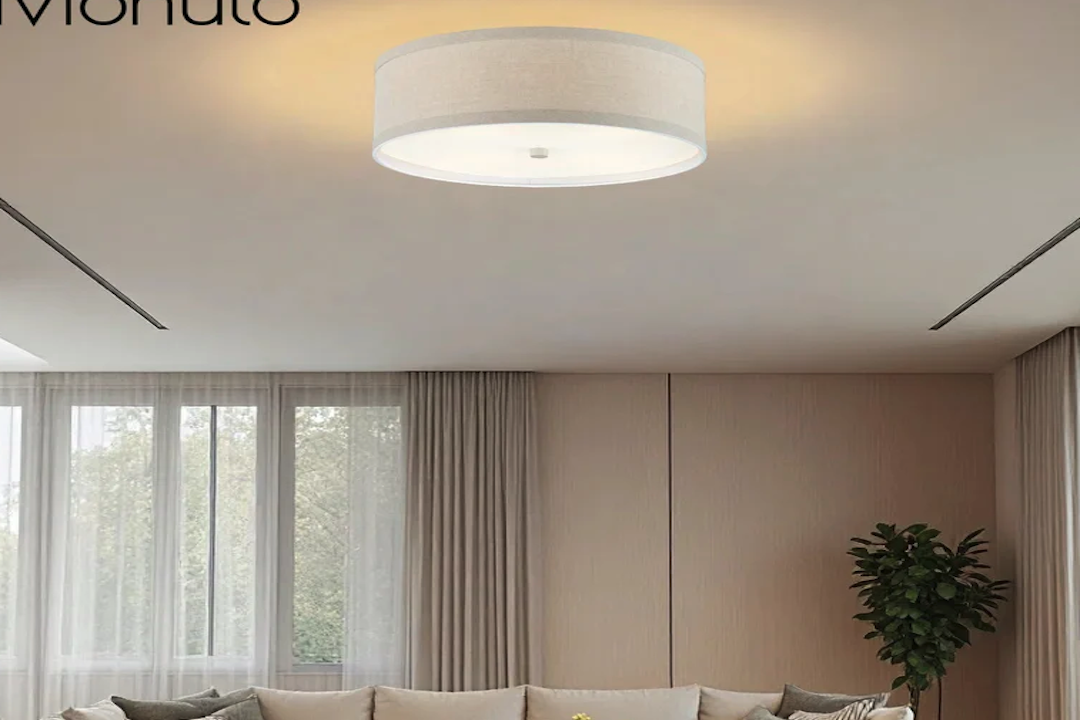
Looking for a way to add some warmth and diffused light to your space? A soft fabric drum ceiling lamp might be just what you need. These fixtures offer a gentler alternative to exposed bulbs or harsh downlights, creating a more inviting atmosphere without being overly decorative or demanding attention.
It’s pretty much in the name. “Soft fabric” refers to the shade material – typically linen, cotton, or a similar textile, often stretched over a frame. “Drum” describes its cylindrical or slightly tapered shape. Combined, you get a lighting Condepot fixture that distributes light evenly and warmly, thanks to the fabric’s filtering properties.
The Material Matters
The type of fabric plays a significant role in how the light appears.
- Linen: Offers a natural, slightly textured look, often allowing a subtle play of light and shadow on the shade itself. It tends to diffuse light effectively while maintaining a sense of organic charm.
- Cotton: Can range from smooth and crisp to more textured weaves. It’s versatile and generally provides a clean, diffused light.
- Synthetics (e.g., polyester blends): Often chosen for their durability, easy cleaning, and consistent appearance. They can mimic the look of natural fibers effectively.
- Silk/Faux Silk: While less common for drum shades, these can add a touch of subtle sheen and elegance, though they might be less opaque and allow more light through.
Frame and Diffuser
Beyond the fabric, the internal structure and any diffusers contribute to the lamp’s effect.
- Metal Frame: Provides the drum’s shape. This is typically hidden by the fabric.
- Bottom Diffuser: Many fabric drum lamps include a translucent acrylic or frosted glass diffuser at the bottom. This piece is crucial for preventing glare from the bulbs and ensuring truly uniform light distribution downwards. Without it, you’d see the bulb directly, which defeats the purpose of “soft” light.
Why Choose a Fabric Drum Ceiling Lamp?
There are several practical reasons why these lamps are a popular choice for various rooms. They offer a good balance of function and understated style.
Gentle, Diffused Illumination
This is perhaps their biggest selling point. The fabric shade acts as a natural diffuser, softening the light emitted from the bulbs within.
- Reduces Glare: Unlike fixtures with exposed bulbs, a fabric drum lamp eliminates harsh glare, which can be uncomfortable for your eyes. This is particularly beneficial in rooms where you spend a lot of time, like living rooms or bedrooms.
- Evens Out Light: The light is spread across the entire surface of the shade, creating a more uniform and consistent ambient glow throughout the space. This avoids hot spots of light and dark shadows.
- Creates Ambiance: The soft, warm light contributes to a relaxing and inviting atmosphere, making a room feel more comfortable and less stark.
Versatile Aesthetics
Despite their simple form, fabric drum lamps are surprisingly adaptable to a wide range of interior styles.
- Transitional: They bridge the gap between traditional and modern, making them suitable for homes that aren’t strictly one style or another.
- Modern/Contemporary: Their clean lines and understated design fit well into minimalist or contemporary settings, where they provide warmth without clutter.
- Bohemian/Eclectic: Natural fabric textures can complement earthy tones and layered decor.
- Scandinavian: The focus on natural materials, simple forms, and soft lighting aligns perfectly with Scandinavian aesthetics.
Practicality and Maintenance
These lamps aren’t just about looks; they’re also designed for everyday living.
- Dust Accumulation: Like any fabric item, they will collect dust. Regular, gentle vacuuming with an upholstery attachment or a quick wipe with a clean, dry cloth is usually sufficient for routine cleaning.
- Spot Cleaning: For minor marks, a slightly damp cloth with a mild soap solution can be used, but always test on an inconspicuous area first to ensure the fabric won’t be discolored. Avoid oversaturating the fabric.
- Bulb Access: Most designs offer relatively easy access to change bulbs, often by removing the bottom diffuser or a securing ring.
Where Do They Work Best?
Fabric drum ceiling lamps are suitable for various rooms, thanks to their adaptable nature and light quality.
Living Rooms
In a living room, they can serve as the primary source of ambient light, creating a comfortable space for relaxation or entertaining.
- Central Fixture: A larger drum lamp can be the focal point, providing overall illumination.
- Layered Lighting: They pair well with other lighting types, such as table lamps and floor lamps, to create a multi-layered lighting scheme for different moods and tasks.
Bedrooms
The soft, diffused light is ideal for bedrooms, promoting a calm and restful environment.
- Main Light Source: Replaces harsher overhead lights with a warmer, gentler glow.
- Nighttime Comfort: Less jarring than direct light, making it easier to wind down before sleep.
Dining Areas
While some prefer more direct task lighting over a dining table, a fabric drum can create a pleasant dining atmosphere, particularly if it’s not the sole light source.
- Intimate Ambiance: Helps set a more relaxed tone for meals.
- Combined with Pendants: Can be used in conjunction with smaller pendant lights over the table for focused illumination.
Hallways and Entryways
These areas often benefit from soft, welcoming light, making a fabric drum an excellent choice.
- First Impression: Creates a warm and inviting first impression for guests.
- Gentle Navigation: Provides enough light for safe passage without being overly bright in transitional spaces.
Nurseries and Children’s Rooms
The anti-glare properties are particularly beneficial for children’s spaces.
- Eye Protection: Protects young eyes from harsh light.
- Soothing Light: Contributes to a calming environment, especially important during bedtime routines.
Practical Considerations Before Buying
Before you commit to a fabric drum ceiling lamp, it’s worth thinking through a few practical aspects to ensure it’s the right fit for your space and needs.
Size and Scale
Getting the size right is crucial for both aesthetics and proper illumination.
- Room Dimensions: A good rule of thumb is to add the length and width of the room in feet, and that sum in inches gives you a suitable diameter for the fixture. For example, a 10’x12’ room (22 feet) might need a 22-inch diameter fixture.
- Ceiling Height: In rooms with lower ceilings, a flush or semi-flush mount drum is usually best to avoid making the room feel cramped. For higher ceilings, a larger pendant-style drum can add more visual interest.
- Furniture Layout: Consider where the lamp will sit relative to furniture. It should be centered in the space, or if over a table, centered above it.
Light Output and Bulbs
The type and number of bulbs will directly impact the amount and quality of light.
- Wattage and Lumens: Don’t just look at wattage; focus on lumens, which indicate actual brightness. Fabric shades will reduce the total light output, so you might need slightly higher lumen bulbs than you’d expect for an open fixture.
- Color Temperature (Kelvin):
- Warm White (2700K-3000K): Creates a cozy, inviting glow, similar to incandescent bulbs. Ideal for living rooms, bedrooms, and dining areas.
- Neutral White (3500K-4000K): A more balanced white light, suitable for kitchens or home offices where you need clearer visibility without being harsh.
- Cool White (5000K+): Brighter and more blue-toned, generally not recommended for fabric drum lamps as it can counteract the “soft” effect.
- Dimmability: For maximum flexibility, choose a fixture that is dimmable and pair it with dimmable LED bulbs and a compatible dimmer switch. This allows you to adjust the light according to your mood or time of day.
- LED vs. Incandescent/CFL: LEDs are generally the best choice for fabric drum lamps due to their energy efficiency, long lifespan, and lower heat output (important for fabric shades).
Installation Type
Fabric drum lights come in a few common installation styles.
- Flush Mount: Sits directly against the ceiling. Best for rooms with lower ceiling heights (8 feet or less) or in areas where you want very unobtrusive lighting.
- Semi-Flush Mount: Has a short rod or stem that drops the drum a few inches from the ceiling. This adds a bit more visual interest and can be suitable for standard 8 to 9-foot ceilings.
- Pendant: Suspended by a longer rod or chain. Ideal for higher ceilings, over dining tables, or in spaces where you want a more prominent lighting feature. Ensure the drop length is appropriate for head clearance.
Shade Color and Texture
The color and texture of the fabric significantly influence the light’s appearance and the room’s overall aesthetic.
- White/Off-White: Provides the most neutral and brightest diffused light. It’s a safe and versatile choice.
- Cream/Beige: Adds a subtle warmth to the light, creating a slightly cozier feeling.
- Grey: Can offer a contemporary and sophisticated look. The light might appear a tiny bit cooler but still diffused.
- Darker Colors (e.g., Navy, Charcoal): While visually striking, these will absorb a lot more light, making the room dimmer unless you compensate with higher lumen bulbs. They are often chosen for dramatic effect or when primary illumination comes from other sources.
- Texture: A visible fabric weave (like linen) adds depth and warmth, while a smoother fabric (like plain cotton or polyester) can offer a cleaner, more streamlined look.
Installation and Maintenance Tips
A few practical tips can make a difference in how you install and care for your fabric drum lamp.
Pre-Installation Check
Before you even start, always confirm a few things.
- Power Off: Ensure the power to the circuit is turned off at the breaker box. This is a non-negotiable safety step.
- Tools Ready: Gather all necessary tools: screwdriver, wire strippers, electrical tape, ladder, and a voltage tester.
- Read Instructions: Every fixture is slightly different. Read the manufacturer’s instructions thoroughly before attempting installation.
Bulb Choice for Longevity
Consider the bulbs carefully.
- LEDs for Heat: As mentioned, LED bulbs produce significantly less heat than incandescent bulbs. This is important for fabric shades, as excessive heat can potentially discolor or degrade the fabric over time.
- Lifespan: LEDs also last much longer, meaning less frequent bulb changes, which can be convenient for ceiling fixtures.
Regular Cleaning Routine
Consistent care will keep your lamp looking good.
- Dusting: Aim to dust the shade regularly, perhaps once a month, depending on how quickly dust accumulates in your home. A soft brush attachment on a vacuum cleaner is effective.
- Spot Cleaning: Address spills or marks promptly. Always dab, don’t rub, to avoid spreading the stain or damaging the fabric weave. Use only cleaners specified as safe for the fabric type.
- Diffuser Care: The bottom diffuser can also collect dust and sometimes even little insects. Remove it periodically to give it a gentle wipe with a damp cloth or a quick rinse.
Avoiding Damage
A few preventative measures can minimize wear and tear.
- No Chemicals: Avoid harsh chemical cleaners, as they can bleach or damage the fabric. Stick to mild soap and water solutions for spot cleaning, or specialized fabric cleaners.
- Gentle Handling: When cleaning or changing bulbs, be gentle with the fabric shade. Avoid pulling or stretching it unnecessarily.
- Proper Bulb Installation: Ensure bulbs are screwed in correctly and not overtightened. The wrong size or type of bulb can also put undue stress on the fixture or fabric.
A soft fabric drum ceiling lamp is more than just a light source; it’s a piece that can genuinely enhance the comfort and visual appeal of your home. By considering its unique qualities and practical aspects, you can choose one that not only illuminates your space but also makes it feel more inviting and balanced.
Leave a Reply