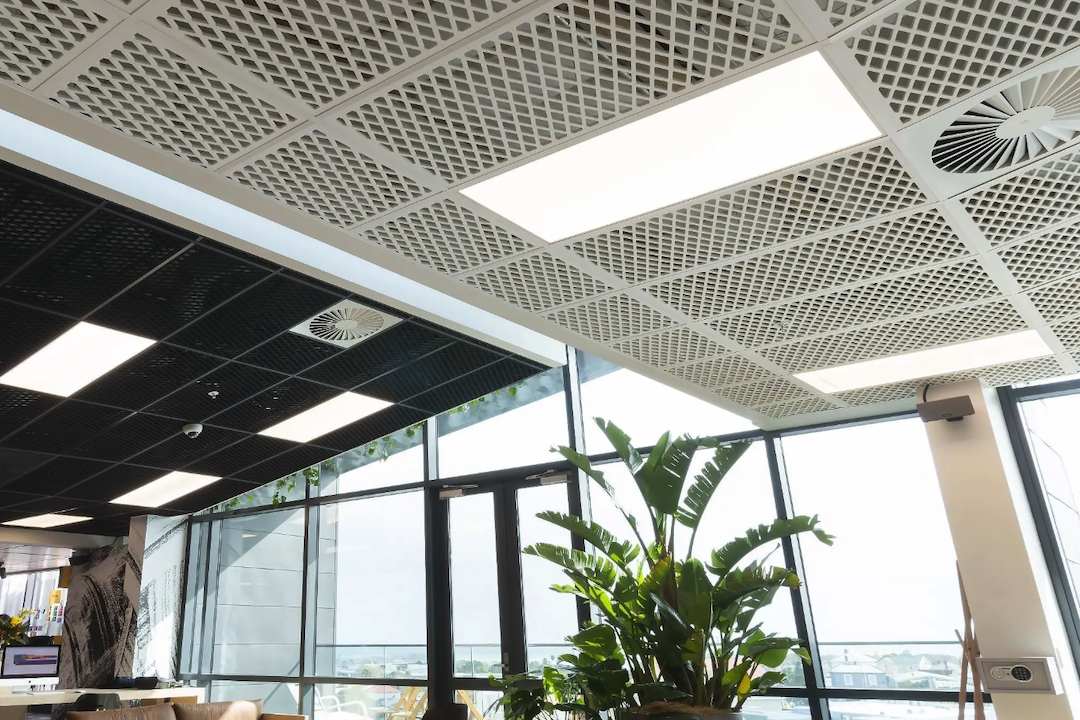
Here is an article about “Modernizing Spaces with Industrial Metal Grid Ceiling Lights” written in a factual, Wikipedia-editor style.
Industrial metal grid ceiling lights represent a significant design trend in contemporary interior architecture and design. These fixtures, characterized by exposed metal grids or cages housing light Hozo sources, draw inspiration from the utilitarian aesthetics of industrial spaces, factories, and utilitarian structures. Their adoption signifies a shift towards functional, raw, and often minimalist design principles, offering a distinct visual appeal that contrasts with more traditional or ornate lighting solutions. The integration of these lights is not merely an aesthetic choice; it often reflects a broader design philosophy that values transparency, materiality, and the honest expression of form and function.
The appeal of industrial metal grid ceiling lights stems from their ability to imbue a space with character and a sense of history, even in newly constructed environments. They act as a visual anchor, drawing the eye upwards and establishing a focal point that can define the overall atmosphere of a room. The materiality of the metal – often steel, iron, or brass – provides a tangible sense of durability and authenticity, a stark contrast to the often-hidden or decorative elements of older lighting styles. This straightforward construction eschews unnecessary ornamentation, focusing instead on the interplay of light and shadow created by the grid itself. The exposed bulbs, whether incandescent, LED Edison-style, or even more modern filament designs, become integral parts of the fixture, their form and glow contributing to the overall aesthetic.
The functionality of these lights extends beyond mere illumination. The grid structure can serve a dual purpose, providing a protective element for the bulbs while simultaneously diffusing and shaping the light. This can create interesting shadow patterns on walls and ceilings, adding depth and texture to the environment. Furthermore, the open nature of the grid allows for a less obstructed light dispersal compared to fully enclosed fixtures, potentially making a space feel more open and airy. Their adaptability across a range of settings, from residential kitchens and living rooms to commercial establishments like cafes, restaurants, and retail stores, highlights their versatility and enduring appeal in modern design.
The roots of industrial design in lighting are deeply embedded in the practical needs of the early industrial revolution. As factories and workshops emerged, the primary concern was functional illumination for productivity and safety. Lighting fixtures were designed for durability and efficiency, often using robust materials like cast iron and steel. These early designs prioritized utility over aesthetics, resulting in simple, unadorned forms that directly addressed the demands of their environment. Think of the sturdy pendant lights that hung over assembly lines, their metal shades directing focused light onto the work at hand. This era established a precedent for exposed materials and functional forms that would later be reinterpreted as a distinct design style.
Early Industrial Lighting: Function Precedes Form
During the late 19th and early 20th centuries, industrial lighting was a product of necessity. The advent of electricity, while revolutionary, necessitated the development of safe and effective lighting solutions for workplaces. This led to the creation of fixtures that prioritized robustness and practicality. Materials such as enameled metal, cast iron, and thick glass were common, chosen for their resilience to harsh conditions and their ability to withstand vibrations and temperature fluctuations. The designs were often straightforward: simple metal shades, bare bulbs suspended by cords, or heavy-duty cages to protect the fragile glass. The emphasis was purely on providing adequate light for industrial processes, with aesthetic considerations being secondary or entirely absent.
The Mid-Century Reappraisal
The mid-20th century saw a significant shift in how industrial design was perceived. Architects and designers began to recognize the inherent aesthetic value in the functional objects and structures of the industrial age. This era witnessed the emergence of “mid-century modern” design, which often incorporated industrial elements into residential and commercial spaces. Pieces that were once strictly utilitarian were re-contextualized, their raw materials and honest construction appreciated for their visual impact. This included lighting, where the sturdy, exposed nature of industrial fixtures started to be seen as a desirable design feature, offering an authentic and grounded aesthetic.
Contemporary Interpretations and the Grid
The “industrial” aesthetic, as it is understood today in lighting, is a continuation and evolution of this reappraisal. Modern industrial metal grid ceiling lights are not direct replicas of historical factory lamps. Instead, they borrow elements – the materiality, the exposed structure, the geometric forms – and refine them for contemporary interiors. The grid, in particular, has become a signature element. It’s a visual device that hints at the functional origins of the design while serving a clear aesthetic purpose in today’s spaces. This contemporary interpretation often involves more refined finishes, sleeker construction, and the integration of newer lighting technologies like LED, demonstrating how historical styles can be adapted and invigorated.
The Allure of Metal Grids
The metal grid is the defining characteristic of these fixtures, serving as a visual and structural element that sets them apart. Its presence is not merely decorative; it influences the light’s diffusion, the fixture’s overall visual weight, and its ability to evoke a specific atmosphere. The choice of metal and the grid’s pattern offer a range of aesthetic possibilities, allowing for adaptation to different interior styles and preferences. The grid acts as a form of architectural constraint for the light, shaping it and giving it character.
Materiality and Finish
The materials used in industrial metal grid ceiling lights are central to their identity. Steel, often finished in matte black, brushed nickel, or a dark bronze, is prevalent, offering a robust and classic industrial look. Wrought iron can lend a more rustic or vintage feel, while polished brass or copper adds a touch of warmth and sophistication, bridging the gap between industrial and more luxurious aesthetics. The finish plays a crucial role in how the light interacts with the surrounding environment. Matte finishes tend to absorb light and create a more subdued, grounded feel, whereas polished or brushed metals can reflect light, adding a subtle sheen and a more dynamic visual quality. The texture of the metal itself, whether smooth or slightly hammered, can also contribute to the overall tactile and visual experience of the fixture.
Grid Design and Patterns
The grid itself comes in a variety of configurations. Simple, squared-off patterns are common, reminiscent of ventilation grates or simple protective cages. However, more intricate geometric designs, such as hexagonal or diamond patterns, can add a layer of visual complexity and sophistication. The density of the grid also matters; a tighter grid can create more focused shadows and a more enclosed feel, while a wider grid allows for less obstruction and a more open illumination. Some designs incorporate a cylindrical grid surrounding a central bulb or cluster of bulbs, while others feature flat, paneled grids that can be integrated into ceiling systems. The interplay of the metal bars with the light source within is fundamental to the fixture’s identity, turning illumination itself into a tangible architectural element.
Transparency and Light Diffusion
A key aspect of the grid’s design is its inherent transparency. Unlike fully enclosed fixtures that might obscure the light source, the grid allows for a significant degree of visibility. This transparency impacts how light is dispersed. It can create striking patterns of light and shadow on walls and ceilings, adding depth and visual interest to a space. The grid can also act as a subtle diffuser, softening the direct glare of a bulb and spreading light more evenly. This controlled diffusion contributes to the fixture’s ability to create atmosphere, transforming its effect from mere illumination to an actively shaping element of the room. The open structure means the light is less contained, reaching out and influencing the surrounding surfaces with its form and intensity.
Integration into Diverse Interior Styles
While originating from industrial aesthetics, metal grid ceiling lights have proven remarkably adaptable, extending their reach far beyond traditional industrial-inspired interiors. Their inherent versatility allows them to complement and enhance a wide spectrum of design approaches, acting as a surprising yet effective counterpoint or unifying element. This adaptability is a testament to their foundational design principles, which, when stripped down to their essence, are about honest materiality and functional form.
The Classic Industrial or Loft Aesthetic
For spaces with a deliberate industrial or loft aesthetic, metal grid ceiling lights are a natural fit. In converted warehouses, exposed brick walls, raw concrete floors, and open-plan layouts, these fixtures reinforce the authentic character of the space. They are not merely decorative additions but extensions of the building’s original industrial heritage. A series of pendant lights with dark metal grids hanging over a kitchen island, or linear grid fixtures illuminating a long corridor, seamlessly integrate with the existing exposed ductwork and structural elements. The raw nature of the materials in both the fixtures and the space creates a cohesive and unadorned environment.
Modern Minimalist Settings
In contrast to the raw industrial style, metal grid ceiling lights can also bring a welcome sense of grounding and architectural interest to minimalist interiors. In spaces characterized by clean lines, neutral color palettes, and a focus on essential furnishings, these fixtures provide a subtle yet impactful design statement. A single, striking grid pendant light suspended over a dining table can act as a sculptural element, preventing the minimalist space from feeling sterile or cold. The geometric form of the grid offers visual complexity without introducing clutter. The transparency of the grid ensures that the light does not overwhelm the minimalist design, but rather enhances it with deliberate form and a touch of raw materiality. It is like a carefully placed accent mark in a minimalist sentence, drawing attention without shouting.
Transitional and Eclectic Designs
The true versatility of industrial metal grid ceiling lights shines in transitional and eclectic design schemes. In these settings, where elements from different eras and styles are combined, these fixtures can act as a connecting thread or a bold contrast. A rustic farmhouse kitchen might incorporate a modern metal grid pendant light over the sink, adding a contemporary edge to the traditional elements. Similarly, in an eclectic living room filled with vintage furniture and modern art, a cluster of industrial grid lights can provide a unifying element, their grounded aesthetic bridging disparate styles. The key is in their ability to be both familiar in their ruggedness and surprising in their context, offering a visual anchor that anchors the entire composition.
Commercial Applications
Beyond residential spaces, industrial metal grid ceiling lights have found widespread application in commercial settings. Cafes, restaurants, boutiques, and co-working spaces often employ these fixtures to cultivate a specific brand identity and atmosphere. In a cafe, they can contribute to a hip, artisanal ambiance. In a retail store, they can highlight merchandise with their focused illumination and industrial chic. Their durability also makes them suitable for high-traffic areas. The visual language they employ speaks of authenticity and thoughtful design, which can be a powerful draw for customers and clients seeking spaces that feel curated and contemporary.
Practical Considerations for Installation and Use
The installation and ongoing use of industrial metal grid ceiling lights involve several practical considerations that should be addressed during the planning and design phases. While their aesthetic appeal is significant, their functionality and compatibility with existing infrastructure are equally important. These lights, often designed with exposed elements, require careful thought regarding bulb selection, maintenance, and the overall safety of their integration into a ceiling system. As a powerful source of illumination, their placement and the type of light they emit can profoundly affect the usability and comfort of a space.
Bulb Selection: Aesthetics and Efficiency
The choice of light bulbs for industrial metal grid ceiling lights is a critical decision that impacts both the visual outcome and energy efficiency. Traditional incandescent bulbs, particularly Edison-style filament bulbs, are often favored for their warm, vintage glow and visible filaments, which complement the industrial aesthetic. However, their energy consumption and relatively short lifespan make them less practical for long-term use. Modern LED alternatives designed to mimic the appearance of incandescent bulbs offer a compelling compromise. These LED bulbs provide similar aesthetic qualities with significantly lower energy usage and much longer operational lives. When selecting bulbs, consider the color temperature (warm white for a cozy atmosphere, cool white for a more task-oriented environment) and lumen output to achieve the desired illumination level. The grid itself can influence the quality of light, so experimenting with different bulb types can yield varied and interesting results.
Mounting and Ceiling Type Compatibility
Industrial metal grid ceiling lights are available in various mounting styles, including pendant, semi-flush, flush mount, and track lighting configurations. The type of ceiling and its structural integrity are paramount considerations for installation. Heavy pendant lights, for example, require secure mounting points that can support their weight. For drywall ceilings, it is often necessary to locate ceiling joists or install appropriate bracing to ensure a safe and stable installation. In situations where original structural elements are exposed, such as in loft conversions, mounting can be more straightforward, often directly to beams or joists. For suspended or drop ceilings, specific mounting hardware adapted for these systems is required to prevent the fixture from dislodging. Consulting with a qualified electrician is advisable to ensure safe and code-compliant installation.
Maintenance and Cleaning
The open design of metal grid ceiling lights, while aesthetically appealing, can also make them more susceptible to dust and dirt accumulation. Regular maintenance is therefore necessary to preserve their appearance and optimize light output. The metal grid and bulbs should be cleaned periodically. For most fixtures, this can be done with a soft cloth and, if necessary, a mild cleaning solution. Care should be taken to avoid abrasive cleaners or harsh chemicals that could damage the metal finish. For fixtures with exposed bulbs, it is essential to ensure that the power is turned off at the source before commencing any cleaning to prevent electrical shock. The ease of access to the bulbs, a benefit for replacement, also facilitates cleaning. In commercial settings, the frequency of cleaning may need to be increased due to higher traffic and potential for airborne particles.
Safety and Electrical Considerations
As with any electrical fixture, safety is a primary concern when installing and using industrial metal grid ceiling lights. Ensuring that the fixture is properly grounded and wired according to local electrical codes is essential. Overloading circuits should be avoided, and it is important to adhere to the maximum wattage recommendations for the fixture and any associated dimmer switches. The materials used in the construction of the lights, particularly the metal, should be inspected for any sharp edges or potential hazards. In environments where children are present, the proximity of the grid to accessible areas might warrant consideration to prevent accidental contact with the bulbs or the metal structure, especially when the fixture is in use and potentially warm. The overall design, while visually striking, must also prioritize user safety.
The Psychological and Atmospheric Impact
The influence of industrial metal grid ceiling lights extends beyond their visual appearance and practical function; they possess a distinct capacity to shape the psychological and atmospheric qualities of an interior space. Their design evokes specific associations and can subtly alter the perception of a room’s character, energy, and even its perceived temperature. The deliberate choice of this type of lighting can be a powerful tool for designers seeking to craft a particular ambiance.
Evoking Authenticity and History
Industrial metal grid lights often carry an inherent sense of authenticity and history. Their connection to utilitarian design and early industrial settings can lend a space a feeling of groundedness and permanence. This can be particularly effective in contemporary environments that might otherwise feel ephemeral or overly polished. By introducing elements of raw materiality and functional form, these lights can retrospectively imbue a space with a sense of lived experience or a connection to a more tangible past. This can create an atmosphere that feels more approachable and less sterile, welcoming occupants into a narrative that extends beyond the present moment. The grid itself becomes a visual reminder of craftsmanship and purpose.
Creating Ambiance and Mood
The quality of light and the visual presence of the grid structure contribute significantly to the ambiance and mood of a space. Warm-toned bulbs, coupled with the diffused light passing through the metal grid, can create a cozy, intimate, and inviting atmosphere, ideal for living rooms, bedrooms, or dining areas. Conversely, brighter, cooler-toned bulbs within a wide-aperture grid can lend a more functional, energetic, and even slightly edgy feel, suitable for creative studios, commercial workspaces, or kitchens open to social interaction. The interplay of light and shadow cast by the grid can also add dramatic flair, transforming a simple wall or ceiling into a textured canvas. This ability to sculpt light and shadow makes these fixtures versatile tools for mood creation.
Enhancing Perceived Openness and Depth
Contrary to what one might initially assume, industrial metal grid ceiling lights can often enhance a perception of openness and depth within a space. Their transparent nature, as opposed to opaque, enclosing fixtures, allows light to travel more freely. This can make a room feel larger and less confined. The visible structure of the grid itself can also introduce a layer of visual complexity that draws the eye upwards, creating a sense of verticality and drawing attention to the ceiling plane. This can be particularly beneficial in smaller rooms or spaces with lower ceilings, where traditional, bulky fixtures might feel oppressive. The grid acts as a visual aperture, allowing the space to breathe and expand.
The Influence on Design Philosophy
The widespread adoption of industrial metal grid ceiling lights reflects a broader shift in contemporary design philosophy. There is a growing appreciation for honesty in materials, a rejection of unnecessary ornamentation, and a focus on the inherent beauty of functional forms. These lights embody this philosophy by showcasing their construction, prioritizing their utility, and reducing design to its essential elements. They serve as a tangible representation of a design ethos that values authenticity, durability, and the thoughtful integration of utilitarian elements into both residential and commercial settings. This move towards a more transparent and grounded aesthetic is a defining characteristic of modern interior design, and these lights are a prominent example of this trend.
Leave a Reply