Category: Lamps

  • Revamp Your Space with a Stunning Living Room Chandelier

    Revamp Your Space with a Stunning Living Room Chandelier

    Living room chandeliers are a beautiful and elegant addition to any home. They not only provide ample lighting but also add a touch of sophistication and style to your living space. Whether you have a traditional or modern decor, there is a chandelier out there that will perfectly complement your home. In this article, we will explore the different types of living room chandeliers, how to choose the perfect one for your space, and the benefits of adding a chandelier to your living room.

    Adding elegance and style to your home is important for creating a welcoming and comfortable environment. The living room is often the central gathering place for family and friends, so it’s essential to create a space that is both functional and aesthetically pleasing. A chandelier can instantly elevate the look of your living room and make it feel more luxurious. It adds a focal point to the room and creates a warm and inviting atmosphere.Broama

    Choosing the Perfect Living Room Chandelier

    When selecting a chandelier for your living room, there are several factors to consider. First, think about the size of your space. A large chandelier may overwhelm a small room, while a small chandelier may get lost in a large space. Measure the dimensions of your living room and take note of any furniture or architectural features that may affect the placement of the chandelier.

    Next, consider the style of your living room. Are you going for a traditional look or do you prefer a more modern aesthetic? There are chandeliers available in a wide range of styles, from classic crystal designs to sleek and minimalist options. Choose a chandelier that complements your existing decor and enhances the overall ambiance of the room.

    Budget is also an important consideration when choosing a chandelier. Chandeliers can vary greatly in price, so it’s essential to set a budget before you start shopping. Keep in mind that while some chandeliers may be more expensive upfront, they are often made with higher quality materials and will last longer. Consider the long-term investment when making your decision.

    Types of Living Room Chandeliers

    There are several different types of chandeliers to choose from, each with its own unique style and design. Traditional chandeliers are often made of brass or bronze and feature intricate details and candle-like lights. They are perfect for adding a touch of old-world charm to your living room.

    On the other end of the spectrum, modern chandeliers are sleek and minimalist, often made of metal or glass. They feature clean lines and geometric shapes, making them a great choice for contemporary or industrial-style living rooms.

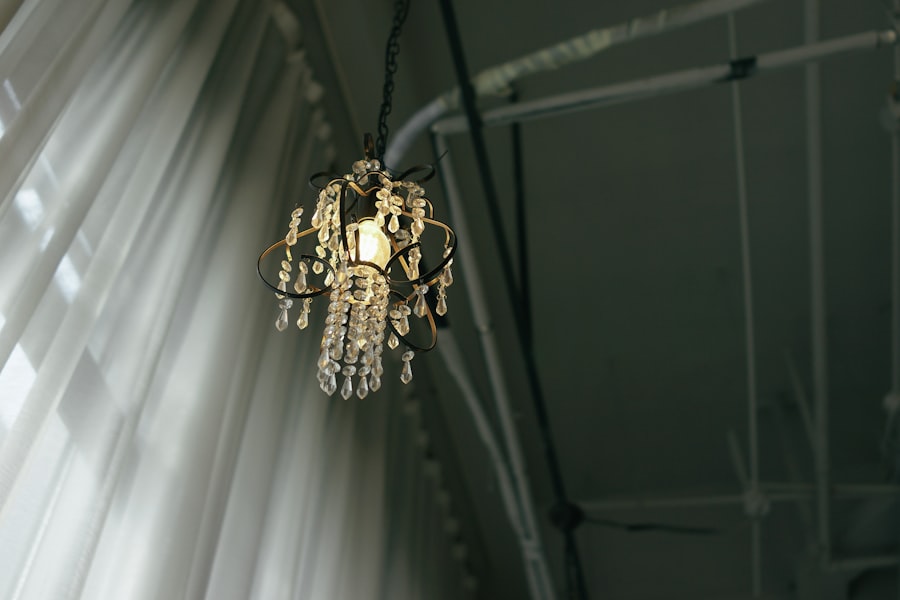
    Crystal chandeliers are a timeless classic, known for their elegance and sparkle. They are often made with high-quality crystals that reflect light beautifully, creating a dazzling effect in your living room.

    For those who prefer a more rustic or farmhouse look, there are chandeliers available in wood or wrought iron. These chandeliers often feature natural elements like antlers or distressed finishes, adding a cozy and rustic touch to your living space.

    There are also many other styles and designs to choose from, including art deco, Tiffany-style, and transitional chandeliers. Take the time to explore different options and find the one that best suits your personal style and the overall aesthetic of your living room.

    Size Matters

    When it comes to choosing the right size chandelier for your living room, it’s important to strike a balance between functionality and aesthetics. A chandelier that is too small may not provide enough light for the space, while one that is too large may overwhelm the room.

    To determine the right size chandelier for your living room, start by measuring the dimensions of the room. Add the length and width of the room together in feet, and then convert that number to inches. For example, if your living room is 12 feet by 14 feet, the total would be 26 feet, or 312 inches.

    Next, consider the height of your ceiling. For standard 8-foot ceilings, a chandelier should be no larger than 20 inches in diameter. For higher ceilings, you can go larger, but be sure to maintain a balanced proportion with the room.

    When hanging your chandelier, it’s important to consider the height at which it will be installed. The bottom of the chandelier should be at least 7 feet above the floor to avoid any head bumps. If you have a higher ceiling, you can hang the chandelier slightly higher, but be sure to keep it within reach for cleaning and maintenance.

    Materials and Finishes

    Chandeliers are available in a wide range of materials and finishes, allowing you to find the perfect one to match your decor. Common materials include brass, bronze, glass, crystal, and wood.

    Brass and bronze chandeliers are classic choices that add a touch of elegance to any living room. They are often finished with a polished or antique patina for added visual interest.

    Glass chandeliers are versatile and can work well with both traditional and modern decor. They come in a variety of styles and finishes, from clear glass to frosted or colored glass.

    Crystal chandeliers are known for their timeless beauty and sparkle. They are often made with high-quality crystals that refract light beautifully, creating a stunning visual effect in your living room.

    Wooden chandeliers are perfect for adding a rustic or farmhouse touch to your living space. They often feature natural elements like antlers or distressed finishes for added character.

    When selecting a material and finish for your chandelier, consider the overall aesthetic of your living room. Choose a chandelier that complements your existing decor and enhances the overall ambiance of the space.

    Installation and Maintenance

    Installing a chandelier can be a bit more involved than installing a standard light fixture, but with the right tools and instructions, it can be a relatively straightforward process. If you are not comfortable with electrical work, it’s best to hire a professional electrician to install your chandelier.

    Before installing your chandelier, make sure to turn off the power to the circuit at the breaker box. Remove the existing light fixture and carefully follow the manufacturer’s instructions for installing the chandelier. Be sure to secure the chandelier properly to prevent any accidents or damage.

    Once your chandelier is installed, it’s important to keep it clean and well-maintained. Dust and dirt can accumulate on the crystals or other parts of the chandelier, dulling its sparkle. Use a soft cloth or duster to gently remove any dust or debris from the chandelier. Avoid using harsh chemicals or abrasive materials, as they can damage the finish or crystals.

    Regular maintenance is also important for keeping your chandelier in good working order. Check the wiring and connections periodically to ensure everything is secure and functioning properly. If you notice any issues, such as flickering lights or loose wires, it’s best to contact a professional electrician for repairs.

    Lighting Up Your Living Room

    A chandelier can transform your living room by providing both functional and ambient lighting. It serves as a central light source that illuminates the entire space, creating a warm and inviting atmosphere.

    Proper lighting is essential for creating a comfortable and functional living room. A well-lit space allows you to perform tasks such as reading or working on a laptop without straining your eyes. It also sets the mood for relaxation and socializing, making your living room a more enjoyable place to spend time.

    In addition to providing general lighting, chandeliers can also be used to create focal points in your living room. By choosing a chandelier with unique design elements or a bold color, you can draw attention to a specific area of the room and make it stand out.

    Enhancing Your Decor

    Pairing your chandelier with other lighting fixtures is an important aspect of creating a cohesive look in your living room. Consider adding wall sconces or table lamps to provide additional lighting and create a layered effect.

    When selecting additional lighting fixtures, choose ones that complement the style and design of your chandelier. For example, if you have a traditional crystal chandelier, consider adding wall sconces with crystal accents or table lamps with ornate bases.

    In addition to lighting fixtures, consider incorporating other decor elements that enhance the overall aesthetic of your living room. This could include artwork, mirrors, or decorative accessories that complement the style and design of your chandelier.

    By creating a cohesive look in your living room, you can ensure that all elements work together harmoniously and create a visually pleasing space.

    Creating a Focal Point

    A chandelier can serve as the centerpiece of your living room design, creating a focal point that draws attention and sets the tone for the entire space. By choosing a chandelier with unique design elements or a bold color, you can make it stand out and become the focal point of the room.

    To create a focal point with your chandelier, consider its placement in the room. Hang it in a central location where it will be easily visible from all angles. You can also use other design elements, such as furniture or artwork, to frame the chandelier and draw attention to it.

    When selecting a chandelier as a focal point, consider its size and scale in relation to the rest of the room. A large chandelier can make a bold statement and become the main focus of the space, while a smaller chandelier can add subtle elegance without overpowering the room.

    The Benefits of a Living Room Chandelier

    Adding a chandelier to your living room can have several benefits, both in terms of aesthetics and functionality. First and foremost, a chandelier adds a touch of elegance and sophistication to your living space. It instantly elevates the look of the room and creates a warm and inviting atmosphere.

    In terms of functionality, a chandelier provides ample lighting for your living room. It serves as a central light source that illuminates the entire space, making it easier to perform tasks such as reading or working on a laptop. It also sets the mood for relaxation and socializing, making your living room a more enjoyable place to spend time.

    In addition to its aesthetic and functional benefits, a chandelier can also increase the value of your home. Potential buyers are often drawn to homes with beautiful and well-designed living spaces, and a chandelier can be a selling point that sets your home apart from others on the market.

    In conclusion, adding a chandelier to your living room is a great way to enhance the elegance and style of your home. With so many different styles, sizes, and designs to choose from, there is a chandelier out there that will perfectly complement your decor. By following the tips and considerations outlined in this article, you can select the perfect chandelier for your living room and enjoy all the benefits it has to offer.

  • Light Up Your Space: How a Bedroom Floor Lamp Can Transform Your Room

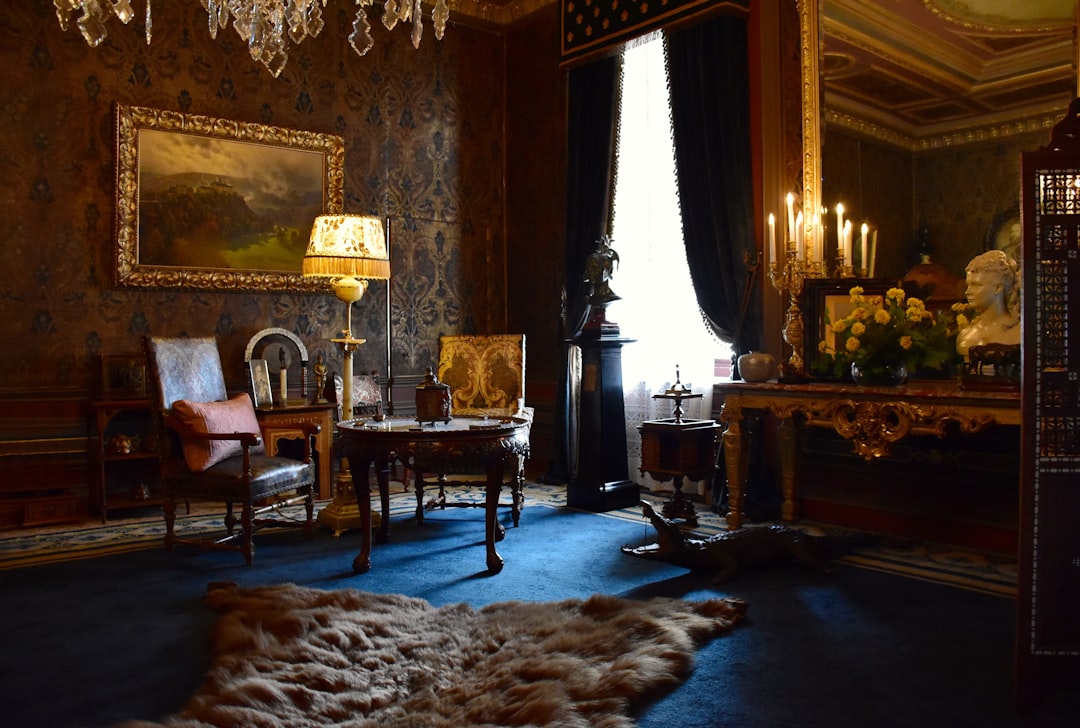
    Lighting Nunuboo plays a crucial role in creating the ambiance and mood of a bedroom. It can affect our mood, productivity, and overall well-being. The right lighting can make a space feel cozy and inviting, while the wrong lighting can make it feel cold and unwelcoming. In this article, we will explore the benefits of using a floor lamp in your bedroom and how to choose the right one for your space. We will also discuss how to incorporate a floor lamp into your bedroom decor, the role of lighting temperature in creating a cozy atmosphere, practical uses for a bedroom floor lamp beyond just lighting, the impact of different lamp shades on the ambiance of your room, tips for positioning and angling your floor lamp for optimal lighting, how to make a statement with a unique or bold floor lamp design, and maintenance and care for your bedroom floor lamp.

    The Benefits of Using a Floor Lamp in Your Bedroom

    Using a floor lamp in your bedroom has several advantages over other types of lighting. One of the main benefits is its versatility and flexibility. Unlike ceiling lights or wall sconces, floor lamps can be easily moved around to different areas of the room, allowing you to adjust the lighting according to your needs. For example, you can place a floor lamp next to your bed for reading or use it as a task light at your desk. Additionally, floor lamps come in various styles and designs, making it easy to find one that complements your bedroom decor.

    Another advantage of using a floor lamp is that it can serve as a decorative element in your bedroom. With their unique shapes and designs, floor lamps can add visual interest to a room and become a focal point. They can also help create a cozy and inviting atmosphere by providing soft and diffused lighting. Floor lamps with adjustable heads or dimmer switches allow you to control the intensity of the light, making it easier to create the desired ambiance in your bedroom.

    Choosing the Right Floor Lamp for Your Space

    When selecting a floor lamp for your bedroom, there are several factors to consider. First, think about the size of the lamp and how it will fit into your space. If you have a small bedroom, a tall and bulky floor lamp may overwhelm the room. On the other hand, if you have a large bedroom with high ceilings, a small floor lamp may get lost in the space. Consider the proportions of your room and choose a floor lamp that complements its size.

    Next, think about the style of the floor lamp and how it will match your existing decor. If you have a modern or minimalist bedroom, a sleek and simple floor lamp with clean lines may be the best choice. On the other hand, if you have a traditional or eclectic bedroom, a floor lamp with ornate details or a unique shape may be more suitable. Consider the overall aesthetic of your room and choose a floor lamp that enhances it.

    Functionality is another important factor to consider when choosing a floor lamp. Think about how you will be using the lamp in your bedroom. Do you need it for reading? Do you need it to provide ambient lighting? Do you need it to highlight artwork or other decorative elements? Consider your specific needs and choose a floor lamp that can fulfill them.

    How to Incorporate a Floor Lamp into Your Bedroom Decor

    Once you have chosen the right floor lamp for your space, it’s time to think about how to incorporate it into your bedroom decor. One way to do this is by placing the floor lamp next to your bed as a reading light. Position it at an angle that allows the light to shine directly onto your book or e-reader without causing glare. You can also use the floor lamp as a task light at your desk or vanity by positioning it at an angle that illuminates the area where you work or get ready.

    Another way to incorporate a floor lamp into your bedroom decor is by using it as a decorative element. Choose a floor lamp with a unique shape or design that complements your existing decor. For example, if you have a modern bedroom with clean lines and neutral colors, a floor lamp with a sleek and minimalist design will enhance the overall aesthetic of the room. On the other hand, if you have a bohemian or eclectic bedroom, a floor lamp with a bold and colorful shade or an interesting base will add visual interest to the space.

    You can also use a floor lamp to create a focal point in your bedroom. Choose a floor lamp with a striking design or an eye-catching shade and place it in a prominent location, such as in a corner or next to a piece of furniture. This will draw attention to the lamp and make it the centerpiece of the room. To enhance the effect, consider adding other decorative elements, such as artwork or plants, around the floor lamp.

    The Role of Lighting Temperature in Creating a Cozy Atmosphere

    The temperature of lighting in your bedroom plays a crucial role in creating a cozy atmosphere. Lighting temperature is measured in Kelvin (K) and can range from warm to cool. Warm lighting, with temperatures below 3000K, creates a soft and inviting ambiance. It mimics the warm glow of candlelight and is perfect for creating a cozy and relaxing atmosphere in your bedroom. Cool lighting, with temperatures above 5000K, creates a bright and energizing ambiance. It mimics natural daylight and is ideal for tasks that require focus and concentration.

    When selecting the right temperature for your bedroom lighting, consider the activities that take place in the space. If you use your bedroom primarily for relaxation and sleep, opt for warm lighting to create a calming environment. Warm lighting can help signal to your body that it’s time to wind down and prepare for sleep. On the other hand, if you use your bedroom for tasks such as reading or working, consider using cool lighting to provide the necessary brightness and clarity.

    Practical Uses for a Bedroom Floor Lamp, Beyond Just Lighting

    A floor lamp in your bedroom can serve multiple purposes beyond just providing lighting. One practical use for a floor lamp is to create a reading nook. Position a comfortable chair or chaise lounge next to the floor lamp and place a small side table nearby to hold your books or e-reader. This will create a cozy and inviting space where you can relax and enjoy your favorite books.

    Another practical use for a floor lamp is to accentuate artwork or other decorative elements in your bedroom. Position the floor lamp near a piece of artwork or a decorative object and angle the light to highlight it. This will draw attention to the artwork and make it stand out in the room. You can also use a floor lamp to create a soft and diffused glow around a mirror or vanity area, making it easier to get ready in the morning or evening.

    The Impact of Different Lamp Shades on the Ambiance of Your Room

    The type of lamp shade you choose for your floor lamp can have a significant impact on the ambiance of your room. Different lamp shades can affect the quality and direction of light, as well as the overall aesthetic of the lamp. For example, a fabric lamp shade will diffuse the light and create a soft and warm glow, while a metal or glass shade will direct the light downward and create a more focused and intense beam.

    When selecting a lamp shade for your floor lamp, consider the overall style and mood you want to create in your room. If you want to create a cozy and intimate atmosphere, choose a fabric shade in a warm color, such as cream or beige. This will soften the light and create a warm and inviting glow. On the other hand, if you want to create a bright and energizing atmosphere, choose a metal or glass shade in a cool color, such as silver or white. This will direct the light downward and create a bright and focused beam.

    Tips for Positioning and Angling Your Floor Lamp for Optimal Lighting

    Proper placement and angling of your floor lamp are essential for achieving optimal lighting in your bedroom. When positioning your floor lamp, consider the activities that take place in the space. If you use your bedroom primarily for reading, place the floor lamp next to your bed or favorite reading chair. Position it at an angle that allows the light to shine directly onto your book or e-reader without causing glare. If you use your bedroom for tasks such as working or getting ready, place the floor lamp near your desk or vanity area. Angle the light to illuminate the area where you work or get ready.

    When angling your floor lamp, consider the direction of the light and how it will affect the overall lighting in your room. If you want to create a soft and diffused glow, angle the light upward towards the ceiling or a wall. This will bounce the light off the surface and create a warm and inviting ambiance. If you want to create a bright and focused beam, angle the light downward towards the floor or a specific area. This will direct the light where you need it most and provide optimal visibility.

    How to Make a Statement with a Unique or Bold Floor Lamp Design

    A floor lamp can be more than just a functional lighting fixture – it can also be a statement piece in your bedroom. Choosing a unique or bold floor lamp design can add personality and style to your space. Look for floor lamps with interesting shapes, materials, or colors that complement your existing decor and make a statement.

    One way to make a statement with a floor lamp is by choosing one with an unusual shape or silhouette. Look for floor lamps with sculptural bases or unconventional forms that catch the eye and become a focal point in the room. Another way to make a statement is by choosing a floor lamp with a bold color or pattern. Look for floor lamps with vibrant shades or patterned bases that add a pop of color and visual interest to your space.

    Maintenance and Care for Your Bedroom Floor Lamp to Keep It Shining Bright

    To ensure that your bedroom floor lamp lasts for years to come, it’s important to clean and maintain it regularly. Dust the lampshade and base with a soft cloth or feather duster to remove any dirt or debris. If the lampshade is fabric, you can also use a lint roller or vacuum cleaner with a brush attachment to remove any dust or pet hair.

    If your floor lamp has a glass or metal shade, you can use glass cleaner or metal polish to keep it shiny and free of fingerprints. Be sure to follow the manufacturer’s instructions when using these products and avoid getting them on any other parts of the lamp.

    If your floor lamp has a dimmer switch, check it regularly to ensure that it is functioning properly. Dimmer switches can wear out over time and may need to be replaced. If you notice any flickering or buzzing when using the dimmer switch, it may be a sign that it needs to be replaced.
    In conclusion, lighting plays a crucial role in creating the ambiance and mood of a bedroom. Using a floor lamp in your bedroom has several benefits, including versatility, flexibility, and the ability to serve as a decorative element. When choosing a floor lamp for your space, consider factors such as size, style, and functionality. Once you have chosen the right floor lamp, think about how to incorporate it into your bedroom decor and create a cozy atmosphere by selecting the right lighting temperature. A floor lamp can serve multiple purposes in your bedroom, such as providing a reading nook or accentuating artwork. The type of lamp shade you choose can also affect the ambiance of your room. Proper placement and angling of your floor lamp are essential for achieving optimal lighting. Consider using a unique or bold floor lamp design to make a statement in your bedroom. Finally, be sure to clean and maintain your floor lamp regularly to keep it shining bright for years to come.

  • Light Up Your Space: Creative Lamp Decoration Ideas for a Cozy Home

    Light Up Your Space: Creative Lamp Decoration Ideas for a Cozy Home

    When it comes to home decor, lighting plays a crucial role in creating the overall ambiance of a room. The right lighting fixtures and bulbs can transform a space, making it feel warm and inviting or bright and energetic. On the other hand, poor lighting choices can leave a room feeling dull and uninviting. Therefore, it is essential to carefully consider the lighting options for each room in your home.

    Choosing the right lighting fixtures Vidilion and bulbs is key to achieving the desired atmosphere in your space. Different types of lighting fixtures, such as chandeliers, pendant lights, and table lamps, can add character and style to a room. Additionally, selecting the appropriate bulbs with the right lighting temperature can greatly impact the overall feel of a space. By understanding the importance of lighting in home decor and making thoughtful choices, you can create a beautiful and inviting environment in your home.

    Unique Lamp Designs to Add Character to Your Room

    If you’re looking to add some personality and character to your room, unique lamp designs are an excellent choice. There are countless options available that can serve as both functional lighting sources and eye-catching decorative pieces. For example, you could opt for a lamp with an unconventional shape or design, such as a lamp that resembles a tree branch or an animal figurine.

    Another option is to choose lamps with interesting materials or textures. For instance, a lamp made from reclaimed wood or one with a mosaic glass shade can add visual interest to your space. Additionally, lamps with intricate patterns or vibrant colors can serve as focal points in a room.

    To incorporate these unique lamps into your decor, consider their placement and how they will complement the existing elements in the room. For example, if you have a minimalist aesthetic, a bold and colorful lamp could be the perfect statement piece. Alternatively, if you have a more eclectic style, you could mix and match different lamp designs to create a visually dynamic space.

    DIY Lamp Projects: How to Create Your Own Stylish Lamps

    If you’re feeling creative and want to add a personal touch to your home decor, DIY lamp projects are a great option. Creating your own lamps allows you to customize the design and choose materials that align with your style and preferences. Plus, it can be a fun and rewarding project.

    To create your own stylish lamps, you’ll need a few basic materials and tools. First, you’ll need a lamp base or structure, which can be purchased at a home improvement store or repurposed from an existing item. Next, you’ll need a lampshade or diffuser, which can be made from various materials such as fabric, paper, or even recycled materials like plastic bottles.

    To assemble the lamp, you’ll also need electrical components such as a socket, cord, and plug. These can be purchased as a kit or individually from a hardware store. Finally, you’ll need basic tools like a screwdriver, wire cutters, and pliers to complete the project.

    Once you have all the necessary materials and tools, you can follow step-by-step instructions to assemble your lamp. There are numerous online tutorials and resources available that provide detailed guidance on DIY lamp projects. By creating your own lamps, you can not only save money but also have unique and personalized lighting fixtures that reflect your style.

    Choosing the Right Bulbs for Your Lamps: A Guide to Lighting Temperatures

    When it comes to choosing the right bulbs for your lamps, it’s important to understand lighting temperatures and their effects on a room. Lighting temperature is measured in Kelvin (K) and refers to the color appearance of the light emitted by the bulb. Different lighting temperatures can create different moods and atmospheres in a space.

    Warm white bulbs have a lower Kelvin temperature (around 2700K) and emit a soft, yellowish light. These bulbs are often used in living rooms, bedrooms, and dining areas to create a cozy and inviting ambiance. On the other hand, cool white bulbs have a higher Kelvin temperature (around 4000K) and emit a brighter, bluish light. These bulbs are commonly used in kitchens, bathrooms, and workspaces to provide a more energetic and focused lighting.

    To choose the right bulbs for your lamps, consider the purpose of the room and the desired atmosphere. For example, if you want to create a relaxing and cozy bedroom, opt for warm white bulbs. If you need bright and focused lighting for a home office or kitchen, cool white bulbs would be more suitable.

    It’s also worth noting that LED bulbs are an energy-efficient and long-lasting option. They come in various lighting temperatures and can be dimmable, allowing you to adjust the brightness according to your needs. Additionally, LED bulbs produce less heat than traditional incandescent bulbs, making them safer and more environmentally friendly.

    Lighting for Different Rooms: How to Create the Perfect Atmosphere

    Each room in your home serves a different purpose, and therefore requires different lighting to create the perfect atmosphere. Here are some tips for lighting different rooms:

    1. Living Room: The living room is often the central gathering space in a home, so it’s important to have a combination of ambient, task, and accent lighting. Start with a central overhead light or chandelier to provide general illumination. Then, add table lamps or floor lamps for task lighting near seating areas. Finally, use wall sconces or picture lights to highlight artwork or decorative objects.

    2. Bedroom: In the bedroom, it’s important to have a mix of ambient and task lighting that can be adjusted according to your needs. Install a ceiling fixture with a dimmer switch to provide general illumination. Add bedside table lamps for reading or relaxing. Consider installing wall-mounted reading lights or pendant lights above the bed for a stylish and functional touch.

    3. Kitchen: The kitchen requires bright and focused lighting for cooking and food preparation. Start with recessed ceiling lights or track lighting to provide general illumination. Install under-cabinet lighting to illuminate countertops and workspaces. Consider adding pendant lights above the kitchen island or dining area for a decorative touch.

    4. Bathroom: In the bathroom, it’s important to have bright and even lighting for grooming tasks. Start with a combination of overhead lights and vanity lights around the mirror to eliminate shadows. Consider adding sconces or recessed lights in the shower or bathtub area for additional illumination.

    By considering the specific needs and functions of each room, you can create a well-lit and inviting atmosphere throughout your home.

    Lampshades: Choosing the Right Style and Material to Complement Your Decor

    Lampshades not only diffuse light but also play a significant role in the overall aesthetics of a lamp and its compatibility with your decor. There are various types of lampshades available, each with its own unique effects on lighting.

    1. Fabric Lampshades: Fabric lampshades are versatile and come in a wide range of colors, patterns, and textures. They can add warmth and softness to a room, making them suitable for bedrooms, living rooms, and cozy spaces. Choose a fabric that complements your decor and allows the right amount of light to pass through.

    2. Paper Lampshades: Paper lampshades are lightweight and often have intricate cut-out designs that create beautiful patterns when illuminated. They can add a touch of elegance and sophistication to a room, making them suitable for dining areas or home offices. However, paper lampshades may be more delicate and require careful handling.

    3. Glass Lampshades: Glass lampshades are timeless and can add a touch of elegance to any space. They come in various styles, from clear glass to stained glass, and can create beautiful reflections and patterns when lit. Glass lampshades are often used in traditional or vintage-inspired decor.

    When choosing a lampshade, consider the style and material that will complement your decor. Additionally, consider the opacity of the shade and how it will affect the lighting in the room. A more opaque shade will create a softer and diffused light, while a more transparent shade will allow more light to pass through, creating a brighter and more focused illumination.

    Using Light to Highlight Artwork and Decorative Objects

    Lighting can be used strategically to highlight artwork and decorative objects in your home. By directing light towards these focal points, you can draw attention to them and create a visually dynamic space.

    One way to showcase artwork is by using picture lights or wall-mounted spotlights. These fixtures can be installed above or below the artwork to provide focused illumination. Adjustable track lighting is another option that allows you to position the lights precisely where you want them.

    For decorative objects such as sculptures or vases, consider using accent lighting. This can be achieved with small spotlights or track lighting that can be directed towards the objects. Additionally, you can use uplighting to create a dramatic effect by placing lights at the base of an object and directing the light upwards.

    When using lighting to highlight artwork and decorative objects, it’s important to consider the color temperature of the bulbs. Warm white bulbs (around 2700K) are often preferred as they enhance warm colors like reds and yellows, while cool white bulbs (around 4000K) are better for cooler colors like blues and greens.

    Mood Lighting: Creating a Cozy and Relaxing Ambience

    Mood lighting is all about creating a cozy and relaxing atmosphere in your home. It involves using soft and warm lighting to create a sense of comfort and tranquility. Here are some tips for achieving mood lighting in different rooms:

    1. Living Room: Use a combination of table lamps, floor lamps, and wall sconces to create a warm and inviting ambiance. Opt for warm white bulbs (around 2700K) to create a soft and cozy glow. Consider using dimmer switches to adjust the brightness according to your mood.

    2. Bedroom: Install bedside table lamps with warm white bulbs for a soft and relaxing glow. Consider adding string lights or fairy lights around the headboard or along the ceiling for a magical and dreamy effect. Use dimmer switches to adjust the brightness to your liking.

    3. Dining Room: Install a chandelier or pendant lights with dimmable bulbs to create a warm and intimate atmosphere during meals. Consider using candlelight or flameless candles on the dining table for an extra cozy touch.

    4. Bathroom: Use wall sconces or vanity lights with warm white bulbs around the mirror to create a soft and flattering light for grooming tasks. Consider adding candles or LED strips around the bathtub area for a spa-like ambiance.

    By incorporating mood lighting into your home, you can create a cozy and relaxing environment that promotes rest and relaxation.

    Outdoor Lighting: Ideas for Illuminating Your Garden and Patio

    Outdoor lighting is not only functional but also adds beauty and ambiance to your garden and patio. It allows you to enjoy your outdoor spaces even after the sun goes down and creates a welcoming atmosphere for guests. Here are some ideas for illuminating your outdoor areas:

    1. Pathway Lighting: Install low-voltage path lights along walkways, driveways, or garden paths to provide safety and guidance at night. These lights can be placed at regular intervals or staggered for a more natural look.

    2. Deck or Patio Lighting: Use string lights or LED strips to outline the perimeter of your deck or patio. This creates a warm and inviting atmosphere for outdoor gatherings or relaxation. Consider adding lanterns or table lamps for additional lighting and style.

    3. Landscape Lighting: Highlight trees, shrubs, or architectural features in your garden with spotlights or uplights. This adds depth and visual interest to your outdoor space. Consider using colored filters to create a dramatic effect.

    4. Water Feature Lighting: If you have a pond, fountain, or waterfall in your garden, consider adding underwater lights or spotlights to illuminate the water feature. This creates a magical and enchanting effect at night.

    When planning your outdoor lighting, consider the different areas of your garden or patio and how you want to use them. Also, be mindful of light pollution and choose fixtures that direct light downward to minimize glare and unnecessary light spillage.

    Final Thoughts: How to Combine Different Lighting Sources for a Perfectly Lit Home

    To achieve a perfectly lit home, it’s important to combine different lighting sources and create layers of light. This involves using a combination of ambient, task, and accent lighting to provide both functionality and aesthetics.

    Start by considering the purpose of each room and the activities that will take place there. Then, choose the appropriate lighting fixtures and bulbs accordingly. For example, in a living room, you may have a central overhead light for general illumination, table lamps for reading or relaxing, and wall sconces to highlight artwork.

    Consider using dimmer switches wherever possible to adjust the brightness according to your needs and mood. This allows you to create different atmospheres throughout the day or for different occasions.

    Additionally, consider the placement of lighting fixtures and how they interact with each other. For example, in a kitchen, you may have recessed ceiling lights for general illumination, under-cabinet lighting for task lighting, and pendant lights above the island for a decorative touch. By strategically placing these fixtures, you can create a well-lit and visually appealing space.

    In conclusion, lighting is a crucial element in home decor that can greatly impact the overall ambiance of a room. By choosing the right lighting fixtures and bulbs, incorporating unique lamp designs, and considering factors such as lampshades and lighting temperatures, you can create a beautifully lit and inviting home. Whether you’re looking to create a cozy and relaxing atmosphere or highlight artwork and decorative objects, lighting plays a key role in achieving the desired effect. So, take the time to carefully consider your lighting choices and create a well-lit space that reflects your style and personality.

  • Revamp Your Space with Stylish Lampshade Tables

    Revamp Your Space with Stylish Lampshade Tables

    When it comes to decorating a space, one of the most important aspects is the lighting. A good light source can enhance the ambiance of a room and make it feel more inviting. One way to achieve this effect is by using lampshade tables. These tables not only provide a functional surface to place your lamps but also come in a variety of stylish designs that can add charm and character to any space. shinelightings

    The Benefits of Lampshade Tables

    Lampshade tables offer several benefits that make them a great addition to any room. Firstly, they provide an elegant platform to display your lighting fixtures while maintaining a clutter-free surface. This makes them ideal for living spaces, bedrooms, and even home offices. Secondly, they come in a variety of styles and materials, ranging from rustic wooden designs to sleek and modern metal finishes. Lampshade tables can complement any decor style and add an extra touch of sophistication to your space.

    Types of Lampshade Tables

    There are several types of lampshade tables available to choose from, depending on your preference and style. Some popular options include:

    1. Wooden Lampshade Tables

    Wooden lampshade tables are a classic choice that will never go out of style. They come in various finishes, from light to dark and everything in between, and add warmth and charm to your space.

    2. Metal Lampshade Tables

    Metal lampshade tables are a popular choice for those who prefer a more modern aesthetic. They often feature sleek designs with clean lines and come in a variety of finishes, such as chrome, gold, and black.

    3. Glass Lampshade Tables

    Glass lampshade tables add a touch of elegance to any room. They are often made with a metal frame and a glass top, allowing you to showcase your lighting fixture while providing a stylish surface for your other decor items.

    How to Choose the Right Lampshade Table

    Choosing the right lampshade table for your space can be overwhelming, but there are a few things to consider that can make the process easier. Firstly, think about your decor style and choose a table that complements it. If you have a more traditional decor style, a wooden lampshade table might be a better fit, while a metal table would work well in a modern space. Secondly, consider the size of your room and the table’s dimensions. You want to make sure that your table is proportionate to the room and won’t take up too much space. Lastly, think about the lighting fixture you will be using and choose a table that can accommodate its size and weight.

    Lampshade tables are a great way to enhance the ambiance of your space while adding functionality and style. With so many designs and materials to choose from, t.are options for every decor style and preference. By considering factors like size, style, and material, you can choose the right lampshade table for your space and create a welcoming atmosphere that is sure to impress.

  • Illuminating Your Space with IKEA Cloud Light Ceiling: A Dreamy Way to Light Up Your Room

    Illuminating Your Space with IKEA Cloud Light Ceiling: A Dreamy Way to Light Up Your Room

    Lighting is an essential aspect of interior design that can greatly affect the ambiance and mood of a room. When it comes to choosing a light fixture, the options are limitless. However, one particular light fixture that has caught the attention of many homeowners is the IKEA Cloud Light Ceiling.

    What is IKEA Cloud Light Ceiling?

    IKEA Cloud Light Ceiling Ezhull is a pendant lamp that has a different design than any ordinary ceiling light. It is shaped like a cloud and creates the illusion of the cloud floating in the air. The lamp is made of polyester and has an opaque finish that diffuses the light into the room, providing a cozy and warm ambiance.

    The Benefits of IKEA Cloud Light Ceiling

    Here are some of the benefits of using IKEA Cloud Light Ceiling in your home:

    1. Unique Design

    The cloud-shaped design of the lamp makes it stand out from other traditional ceiling lights. It adds an element of playfulness and creativity to your room.

    2. Soft Light

    The polyester material of the lamp creates a soft and diffused light, which enhances the coziness of your space.

    3. Energy-Efficient

    IKEA Cloud Light Ceiling uses LED lights, which are energy-efficient and long-lasting. This will help you save money on your electricity bill in the long run.

    4. Easy to Install

    Installing IKEA Cloud Light Ceiling is relatively easy and can be done without the need for a professional electrician.

    Where to Install IKEA Cloud Light Ceiling?

    IKEA Cloud Light Ceiling can be installed in any room of your home. However, it works best in rooms where you want to create a cozy and warm ambiance, such as your bedroom or living room. You can also install it in your child’s room to add a playful touch to their space.

    How to Choose the Right Size?

    IKEA Cloud Light Ceiling comes in different sizes, ranging from small to large. When choosing the right size, it is essential to consider the size of your room. If you have a large room, you might want to opt for a larger size to ensure that it does not look out of place. If you have a small room, a smaller size would be appropriate.

    IKEA Cloud Light Ceiling is an excellent option for homeowners who want to add a unique touch to their space. Its cloud-shaped design and soft diffused light make it perfect for creating a cozy and warm ambiance in any room. With its energy-efficient LED lights and easy installation, it is an investment that you will enjoy for years to come.

  • Panthella Vintage Lamp: A Classic Piece of Design History

    Panthella Vintage Lamp: A Classic Piece of Design History

    The Panthella Vintage Lamp is a design classic that has endured for decades. Originally designed by Verner Panton in 1971, this stylish lamp has gone through various iterations over the years, but the original design remains a beloved icon of modern design. In this article, we will explore the history, design, and enduring appeal of the Panthella Vintage Lamp.

    The History of the Panthella Vintage Lamp

    Verner Panton was a Danish designer who is best known for his innovative and bold designs that defined the 1960s and 1970s. He was inspired by the psychedelic art and pop culture of the time and sought to incorporate these elements into his work. The Panthella Vintage Lamp was one such design.

    The original Panthella Lamp was designed in 1971 and was an instant hit. It featured a simple, yet elegant design that was both functional and beautiful. The lamp was named after Panton’s wife, Marianne Panton, who was known as “Panthella” to her friends.

    Over the years, the design of the lamp has been updated to incorporate new technologies and materials. In 1985, Panton worked with the Danish lighting company Louis Poulsen to update the design of the lamp. The new version featured a more streamlined base and improved lighting technology.

    Today, the Panthella Vintage Lamp remains a classic piece of design history that is still produced and cherished by design enthusiasts around the world.

    The Design of the Panthella Vintage Lamp

    The Panthella Vintage Lamp features a timeless and elegant design that is both functional and beautiful. The lamp is made up of two main components: the base and the shade.

    The base of the lamp is made of metal and features a simple, yet elegant shape. It is designed to stabilize the lamp and provide a sturdy foundation. The shade of the lamp is made of acrylic and is shaped like a mushroom. It is designed to diffuse the light and create a warm and inviting glow.

    One of the most striking features of the Panthella Vintage Lamp is its use of color. The lamp is available in a range of bold and vibrant colors that are reminiscent of the psychedelic art and pop culture of the 1970s. This has helped to make the lamp a popular choice with design enthusiasts who are looking for a statement piece to add to their home or office.

    The Enduring Appeal of the Panthella Vintage Lamp

    The Panthella Vintage Lamp Acorohome is a classic piece of design history that has endured for over 50 years. Its enduring appeal can be attributed to a number of factors.

    Firstly, the lamp features a simple and elegant design that is both functional and beautiful. This has helped to make the lamp a popular choice with design enthusiasts who value both form and function.

    Secondly, the lamp is available in a range of bold and vibrant colors. This has helped to make the lamp a popular choice with people who are looking for a statement piece to add to their home or office.

    Finally, the Panthella Vintage Lamp is a design classic that has stood the test of time. It is still produced and cherished by design enthusiasts around the world, which is a testament to its enduring appeal and cultural significance.

    Panthella Vintage Lamp is a classic piece of design history that has endured for over 50 years. Its elegant and simple design, use of bold colors, and enduring cultural significance have helped to make it a beloved icon of modern design. Whether you are a design enthusiast, a collector of vintage furniture, or simply someone who appreciates beautiful design, the Panthella Vintage Lamp is a must-have piece for any home or office.

  • The Importance of Light for Plant Growth: Shedding Light on Photosynthesis and Beyond

    The Importance of Light for Plant Growth: Shedding Light on Photosynthesis and Beyond

    Light is one of the most essential factors for plant growth, as it serves as the primary energy source for the process of photosynthesis. Photosynthesis is the process by which plants convert light energy into chemical energy, which is then used to fuel the plant’s growth and development. However, the importance of light for plants goes beyond just photosynthesis. This article will explore the various ways that light affects plant growth and development.

    Types of Light

    There are two main types of light Decozux that plants require for growth – visible light and ultraviolet (UV) light. Visible light is the light that we can see with our eyes and is made up of different colors of the rainbow. Different colors of light have different wavelengths, and plants have different light absorption spectra for different colors of light. UV light is invisible to the human eye and has a shorter wavelength than visible light. While UV light can be harmful to humans, plants require UV light in small doses for optimal growth and development.

    Effects of Light Intensity

    The amount of light that a plant receives is also an important factor for growth. Light intensity affects the rate of photosynthesis, with higher light levels typically resulting in higher rates of photosynthesis. However, too much light can also be detrimental to plants, as it can lead to damage and desiccation. Different plants have different light requirements, so it’s essential to provide the appropriate amount of light for each plant species.

    Effects of Light Quality

    As mentioned earlier, different colors of light have different wavelengths, and plants have different light absorption spectra for different colors of light. This means that the quality of light that a plant receives can also affect its growth and development. Blue light, for example, is essential for chlorophyll synthesis, while red light is important for flowering and fruiting. In addition, certain wavelengths of light can also affect the plant’s morphology, such as stem elongation and leaf expansion.

    Lighting for Indoor Plants

    For those who cultivate indoor plants, providing the appropriate amount and quality of light can be a challenge. Natural light is typically the best option, but not all indoor spaces receive adequate natural light. In these cases, artificial lighting can be used to supplement or replace natural light. Different types of artificial lights, such as fluorescent and LED lights, have different spectra of light and can be adjusted to meet the light needs of different plants.

    In conclusion, light is a crucial factor for plant growth and development, as it serves as the primary energy source for photosynthesis and affects various aspects of plant morphology. Providing the appropriate amount and quality of light is essential for optimal plant growth, whether it’s through natural or artificial lighting. Understanding the effects of light on plant growth can help gardeners and plant enthusiasts cultivate healthy and thriving plants.

  • Illuminate Your Space with the Chic and Compact White Small Table Lamp

    Illuminate Your Space with the Chic and Compact White Small Table Lamp

    A table lamp is an essential component of any room design. It can provide both practical illumination and create a warm and inviting ambiance. The white small table lamp is a popular choice for those who are looking for a chic and compact lighting solution. In this article, we will explore the features and benefits of this type of table lamp.

    Features and Benefits

    The white small table lamp is a versatile choice that can work in a variety of settings. It is perfect for smaller spaces or for those who want to add a touch of style to their room without overwhelming it with a larger lamp. Here are some of the key features and benefits of the white small table lamp:

    Compact Size

    One of the primary benefits of the white small table lamp is its size. This lamp is typically designed to be small and compact, making it easy to place on a small table or desk. The lamp can provide ample illumination for the area without taking up too much space, making it ideal for use in apartments, dorms, or other limited spaces.

    Modern Design

    Another feature of the white small table lamp is its modern design. This type of lamp typically features sleek, clean lines with a white base and shade. The modern design of the lamp makes it a great choice for those who want to add a touch of contemporary style to their room.

    Energy Efficiency

    The white small table lamp Honbou is also known for its energy efficiency. Many models are designed to use LED bulbs, which consume less energy and last longer than traditional incandescent bulbs. This can help you save money on your energy bills while reducing your environmental impact.

    Soft Lighting

    Finally, the white small table lamp provides soft and ambient lighting that can help create a cozy and relaxing atmosphere. The lamp typically features a white shade that diffuses the light, creating a warm and inviting glow.

    Where to Use the White Small Table Lamp

    The white small table lamp can be used in a variety of settings. Here are a few examples:

    Bedroom

    A white small table lamp is a great choice for a bedside table. The soft lighting can create a relaxing atmosphere that is conducive to sleep, while the modern design can add a stylish touch to the room.

    Living Room

    A white small table lamp can also be used in the living room. You can place it on a side table or on a bookshelf to provide soft, ambient lighting that complements the rest of the room.

    Home Office

    A white small table lamp is a practical choice for a home office. It can provide the illumination you need to work while also adding a touch of style to your workspace.

    In conclusion, the white small table lamp is a versatile and stylish lighting solution that can provide both practical illumination and create a warm and inviting atmosphere. Whether you use it in the bedroom, living room, or home office, the white small table lamp is sure to add a touch of modern elegance to your space.

  • Shaping Beauty: The Art and Craft of Blown Glass Bulbs

    Shaping Beauty: The Art and Craft of Blown Glass Bulbs

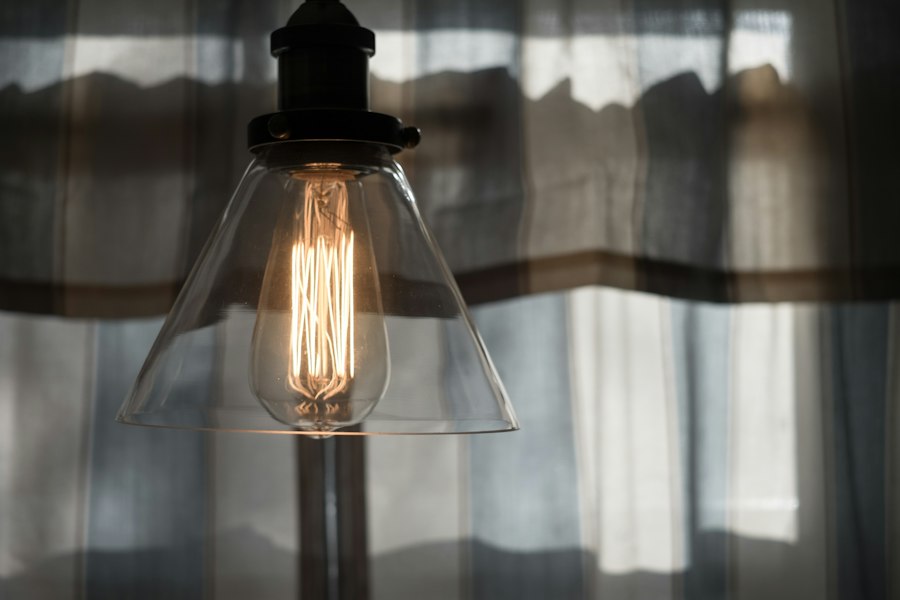
    Blown glass bulbs are an exquisite art form dating back to ancient times. The technique involves blowing air into molten glass to create intricate designs and shapes. These delicate bulbs are often used for decoration, lighting, and scientific purposes. In this article, we will delve into the history and techniques of blown glass bulbs, the master artisans who create them, and the beauty they bring to our world.

    History of Blown Glass Bulbs

    The history of blown glass dates Mikilighting back to the first century BCE, where it originated in ancient Phoenicia. It quickly spread throughout the Roman Empire, and by the Middle Ages, glass blowing had become a popular art form in Venice. The invention of the blowpipe in the 17th century revolutionized the craft, enabling artisans to create more intricate designs and shapes.

    Today, blown glass is a thriving industry, with artisans all over the world creating unique, one-of-a-kind pieces. These delicate bulbs have been used for everything from decorative ornaments to scientific instruments, showing the versatility and beauty of this art form.

    Techniques of Blown Glass Bulbs

    The process of blown glass bulbs involves several steps, starting with gathering molten glass from a furnace onto the end of a blowpipe. The glass is shaped by blowing air into the pipe, while the artisan uses various tools to create the desired design.

    Once the bulb has been shaped, it must be annealed to strengthen the glass and prevent it from breaking. This involves slowly cooling the glass over several hours in a kiln, followed by a process called “fire polishing” to smooth out any imperfections.

    Throughout the process, the artisan must carefully control the temperature and timing to create a perfectly shaped and finished product.

    Master Artisans of Blown Glass Bulbs

    Blown glass bulbs require a high degree of skill and precision to create. Master artisans have spent years honing their craft and perfecting their techniques.

    One such artisan is Dale Chihuly, a world-renowned glass artist known for his stunning blown glass installations. Chihuly’s work has been exhibited in museums and galleries around the world, and his contributions to the craft have paved the way for a new generation of artists to follow.

    Beauty of Blown Glass Bulbs

    Blown glass bulbs are not only a testament to the skill and artistry of the artisans who create them, but they also bring beauty and light to our world. These delicate pieces can be found in home decor, lighting fixtures, and even in scientific instruments.

    Their intricate designs and vibrant colors make them a unique addition to any space, adding a touch of elegance and sophistication. From the simple elegance of a clear glass bulb to a strikingly colorful and ornate piece, blown glass bulbs continue to captivate and inspire.

    Blown glass bulbs are a timeless art form that continues to thrive and inspire. From its rich history to its intricate techniques and the master artisans who create them, blown glass bulbs are a true testament to the beauty and creativity of the human spirit. Whether used for illumination or decoration, these delicate pieces bring light and elegance into our lives, illuminating the beauty and wonder of the world around us.

  • The Illuminating Elegance of Vate Table Lamp

    The Illuminating Elegance of Vate Table Lamp

    When it comes to interior design, lighting plays a crucial role in creating a welcoming and comfortable environment. A table lamp can not only provide functional illumination but also serve as a decorative element that enhances the overall aesthetics of a room. The Vate table lamp is an excellent example of a lighting fixture that offers both style and functionality. This article will explore the various features and benefits of the Vate table lamp and explain why it is a popular choice among interior design enthusiasts.

    Design and Build Quality

    The Vate table lamp Monulo sports a sleek and modern design that suits a wide range of interior styles. The lamp base is made of high-quality metal, while the shade is crafted from high-grade fabric that not only looks stylish but also diffuses the light evenly. The lamp base is available in different finishes, ranging from shiny metallic to matte colors, allowing users to choose the one that best complements their decor.

    One of the key features of the Vate table lamp is its compact size. The lamp measures 16 inches in height, making it an ideal choice for small spaces such as bedside tables, desks, and shelves. Despite its small size, the Vate table lamp can provide ample light for reading, writing, or any other task that requires focused illumination.

    Functionality

    The Vate table lamp features a convenient on/off switch that is located at the base of the lamp, making it easy to turn on and off. The lamp also comes with a standard E26 socket that can accommodate a variety of bulbs, including LED, incandescent, and CFL. This feature allows users to choose the type of bulb that best suits their needs in terms of brightness, energy efficiency, and color temperature. The Vate table lamp can also be dimmed, allowing users to adjust the light intensity according to their preferences.

    Another functional aspect of the Vate table lamp is its adjustable shade. The shade can be tilted up or down, allowing users to direct the light where they need it. This feature is particularly useful for reading, as users can focus the light on the pages without disturbing others in the room.

    Energy Efficiency

    One of the advantages of using the Vate table lamp is its energy efficiency. The lamp is compatible with a wide range of energy-efficient bulbs, including LED and CFL bulbs, which consume less energy than traditional incandescent bulbs. By using energy-efficient bulbs, users can save on their electricity bills and reduce their carbon footprint.

    Conclusion

    The Vate table lamp is a versatile lighting fixture that combines style, functionality, and energy efficiency. Its compact size, adjustable shade, and compatibility with various bulbs make it an ideal choice for small spaces and different interior styles. If you’re looking for a table lamp that can enhance the aesthetics of your home while providing efficient lighting, the Vate table lamp is definitely worth considering.

    The views and opinions expressed in this article are solely those of the author and do not necessarily reflect the official policy or position of the Vate table lamp or its manufacturers. The information in this article is for educational and informational purposes only and should not be considered as professional or legal advice. Readers are advised to consult with a licensed professional before acting upon any of the information in this article.